
Recombinant Influenza A virus Matrix protein 2 (M)
-
品名簡(jiǎn)稱:Recombinant Influenza A virus Matrix protein 2
-
貨號(hào):CSB-CF356944IFZ
-
說(shuō)明書:
-
規(guī)格:¥9720
-
圖片:
-
 (Tris-Glycine gel) Discontinuous SDS-PAGE (reduced) with 5% enrichment gel and 15% separation gel.
-
-
其他:
產(chǎn)品詳情
-
純度:Greater than 90% as determined by SDS-PAGE.
-
基因名:M
-
Uniprot No.:
-
別名:(Proton channel protein M2)
-
種屬:Influenza A virus (strain A/Puerto Rico/8/1934 H1N1)
-
蛋白長(zhǎng)度:Full Length
-
來(lái)源:in vitro E.coli expression system
-
分子量:12.5 kDa
-
表達(dá)區(qū)域:1-97aa
-
氨基酸序列MSLLTEVETPIRNEWGCRCNGSSDPLAIAANIIGILHLILWILDRLFFKCIYRRFKYGLKGGPSTEGVPKSMREEYRKEQQSAVDADDGHFVSIELE
Note: The complete sequence may include tag sequence, target protein sequence, linker sequence and extra sequence that is translated with the protein sequence for the purpose(s) of secretion, stability, solubility, etc.
If the exact amino acid sequence of this recombinant protein is critical to your application, please explicitly request the full and complete sequence of this protein before ordering. -
蛋白標(biāo)簽:N-terminal 10xHis-tagged
-
產(chǎn)品提供形式:Liquid or Lyophilized powder
Note: We will preferentially ship the format that we have in stock, however, if you have any special requirement for the format, please remark your requirement when placing the order, we will prepare according to your demand. -
緩沖液:If the delivery form is liquid, the default storage buffer is Tris/PBS-based buffer, 5%-50% glycerol. If the delivery form is lyophilized powder, the buffer before lyophilization is Tris/PBS-based buffer, 6% Trehalose.
-
復(fù)溶:We recommend that this vial be briefly centrifuged prior to opening to bring the contents to the bottom. Please reconstitute protein in deionized sterile water to a concentration of 0.1-1.0 mg/mL.We recommend to add 5-50% of glycerol (final concentration) and aliquot for long-term storage at -20℃/-80℃. Our default final concentration of glycerol is 50%. Customers could use it as reference.
-
儲(chǔ)存條件:Store at -20°C/-80°C upon receipt, aliquoting is necessary for mutiple use. Avoid repeated freeze-thaw cycles.
-
保質(zhì)期:The shelf life is related to many factors, storage state, buffer ingredients, storage temperature and the stability of the protein itself.
Generally, the shelf life of liquid form is 6 months at -20°C/-80°C. The shelf life of lyophilized form is 12 months at -20°C/-80°C. -
貨期:Delivery time may differ from different purchasing way or location, please kindly consult your local distributors for specific delivery time.
-
注意事項(xiàng):Repeated freezing and thawing is not recommended. Store working aliquots at 4°C for up to one week.
-
Datasheet & COA:Please contact us to get it.
產(chǎn)品評(píng)價(jià)

相關(guān)產(chǎn)品
靶點(diǎn)詳情
-
功能:Forms a proton-selective ion channel that is necessary for the efficient release of the viral genome during virus entry. After attaching to the cell surface, the virion enters the cell by endocytosis. Acidification of the endosome triggers M2 ion channel activity. The influx of protons into virion interior is believed to disrupt interactions between the viral ribonucleoprotein (RNP), matrix protein 1 (M1), and lipid bilayers, thereby freeing the viral genome from interaction with viral proteins and enabling RNA segments to migrate to the host cell nucleus, where influenza virus RNA transcription and replication occur. Also plays a role in viral proteins secretory pathway. Elevates the intravesicular pH of normally acidic compartments, such as trans-Golgi network, preventing newly formed hemagglutinin from premature switching to the fusion-active conformation.
-
基因功能參考文獻(xiàn):
- The data demonstrated that immunization with recombinant L. plantarum expressing 3M2e-Fc markedly reduced the viral load in the lung and protected against H1N1 influenza virus and mouse-adapted H9N2 avian influenza virus (AIV) challenge in BALB/c mice [M2e]. PMID: 27908830
- this work shows the production and isolation of a tetrameric and functional native M2 ion channel that will pave the way to structural and functional characterization of native M2, conformational antibody development, small molecules compounds screening towards vaccine treatment. PMID: 27825980
- BST-2 restricts influenza A virus release and is countered by the viral M2 protein. PMID: 28087685
- Host cellular protein TRAPPC6ADelta interacts with influenza A virus M2 protein and regulates viral propagation by modulating M2 trafficking. PMID: 27795429
- M2 protein is translocated from the membrane to the cytoplasm by a retrograde route via endosomes and the Golgi network. PMID: 27942972
- Studied the structure of the C-terminal juxtamembrane region (sites 50-60) of the full-length M2 protein using site-directed spin-labeling electron paramagnetic resonance (EPR) spectroscopy in lipid bilayers. PMID: 25545360
- The tautomeric state and conformation of His37, a key residue in the M2 transmembrane four-helix bundle, controls the gating of the channel. PMID: 25317959
- Results indicate that Fc receptors play a primary role in conferring M2e-specific antibody-mediated protection whereas T cells may contribute to the recovery at later stages of influenza infection. PMID: 24773389
- Authors show that the cytoplasmic tail of influenza A virus M2 interacts directly with the essential autophagy protein LC3 and promotes LC3 relocalization to the unexpected destination of the plasma membrane. PMID: 24528869
- Clustering between hemagglutinin (HA) and M2 is reduced upon disruption of HA's raft-association features (acylation, transmembranous VIL motif). PMID: 24561202
- NS1,hemagglutinin and M2 are involved in stimulation of autophagy in infected cells. PMID: 24027311
- Data suggest that solubilization of M2 construct into bicelles results in an increased ordering of the TMH-APH (transmembrane helix- amphipathic helix) linker resulting in a more fixed orientation between the TMH and APH. PMID: 24168642
- Data show that that the M2 proton channel is properly targeted to cell membranes in Drosophila tissues and functions as a proton channel by altering intracellular pH. PMID: 21775472
- Data show that M2 acts as a proton uniporter that occasionally allows K(+) to flow to maintain electrical neutrality. PMID: 20713739
- the M2 cytoplasmic tail plays a role in infectious virus production by coordinating the efficient packaging of genome segments into influenza virus particles. PMID: 15731254
- These results indicated that the M2 ion-channel protein is critical, but not essential, for virus replication in cell culture. PMID: 15831957
- results demonstrate that a dramatic reduction in the levels of the M1 and M2 proteins in influenza A virus-infected cells results in reduced virus replication but does not significantly affect the composition and morphology of the virus particles PMID: 15919950
- To better understand its H+ gating mechanism, we investigated M2 in lipid bilayers with a new combination of IR spectroscopies and theory. PMID: 19217395
- Influenza A virus infection causes accumulation of autophagosomes by blocking their fusion with lysosomes, and one viral protein, matrix protein 2, is necessary and sufficient for this inhibition of autophagosome degradation. PMID: 19837376
顯示更多
收起更多
-
亞細(xì)胞定位:Virion membrane. Host apical cell membrane; Single-pass type III membrane protein.
-
蛋白家族:Influenza viruses matrix protein M2 family
-
數(shù)據(jù)庫(kù)鏈接:
KEGG: vg:956528
Most popular with customers
-
-AC1.jpg)
Recombinant Human Glypican-3 (GPC3) (G537R), partial (Active)
Express system: Mammalian cell
Species: Homo sapiens (Human)
-
-AC1.jpg)
Recombinant Human T-cell surface protein tactile (CD96), partial (Active)
Express system: Mammalian cell
Species: Homo sapiens (Human)
-
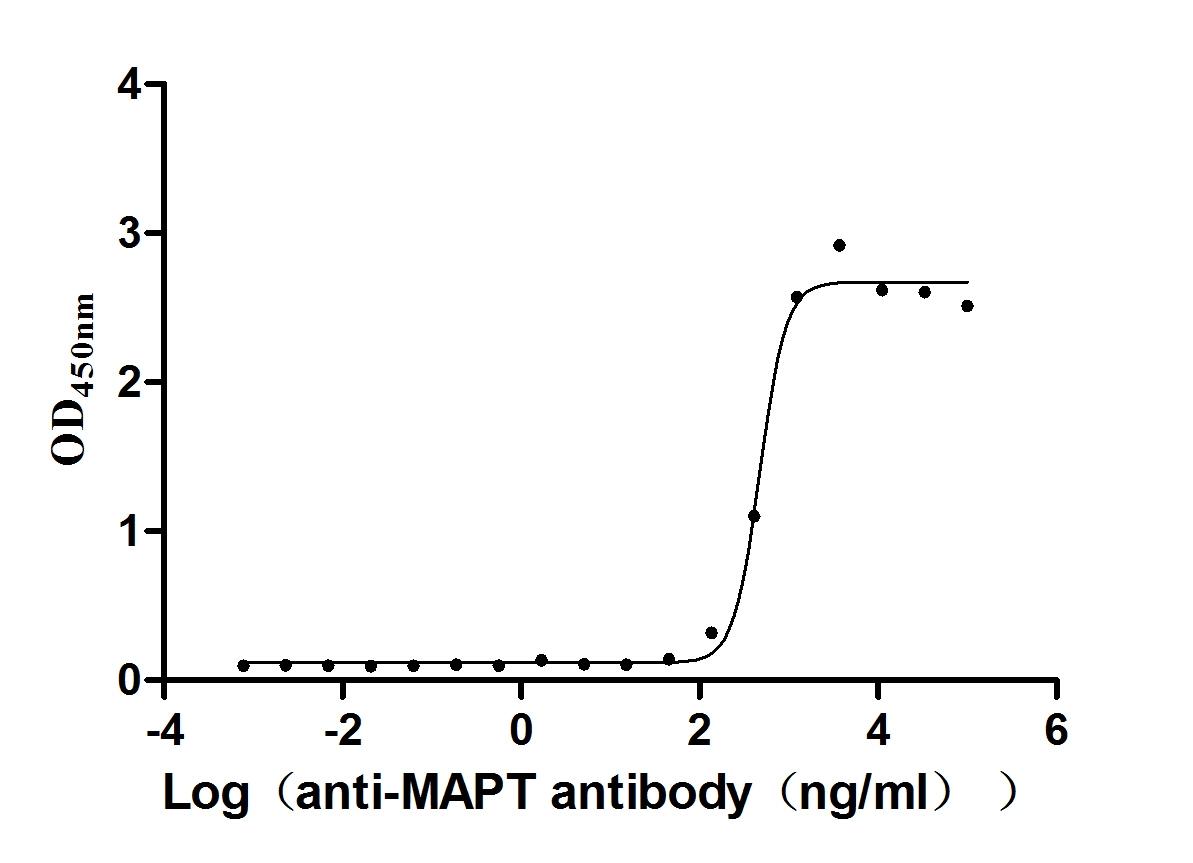
Recombinant Mouse Microtubule-associated protein tau (Mapt) (Active)
Express system: Mammalian cell
Species: Mus musculus (Mouse)
-
-AC1.jpg)
Recombinant Human C-X-C chemokine receptor type 4 (CXCR4)-VLPs (Active)
Express system: Mammalian cell
Species: Homo sapiens (Human)
-
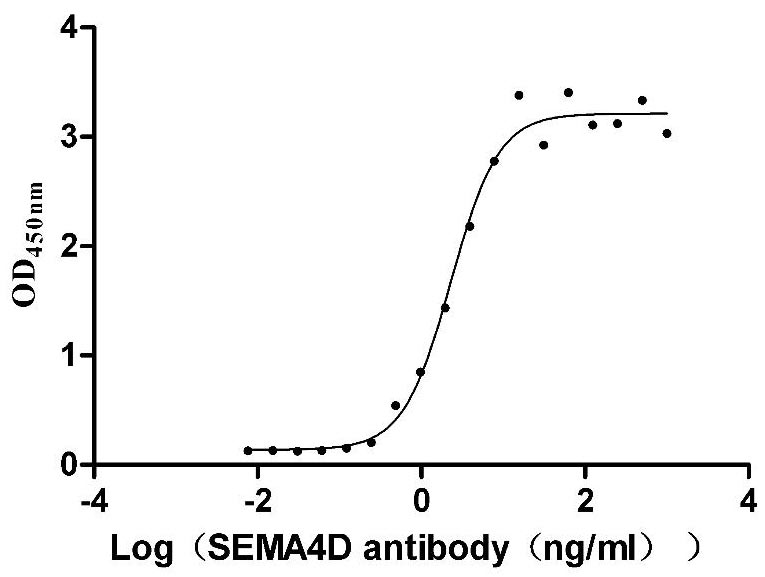
Recombinant Macaca mulatta Semaphorin-4D isoform 1 (SEMA4D), partial (Active)
Express system: Mammalian cell
Species: Macaca mulatta (Rhesus macaque)
-
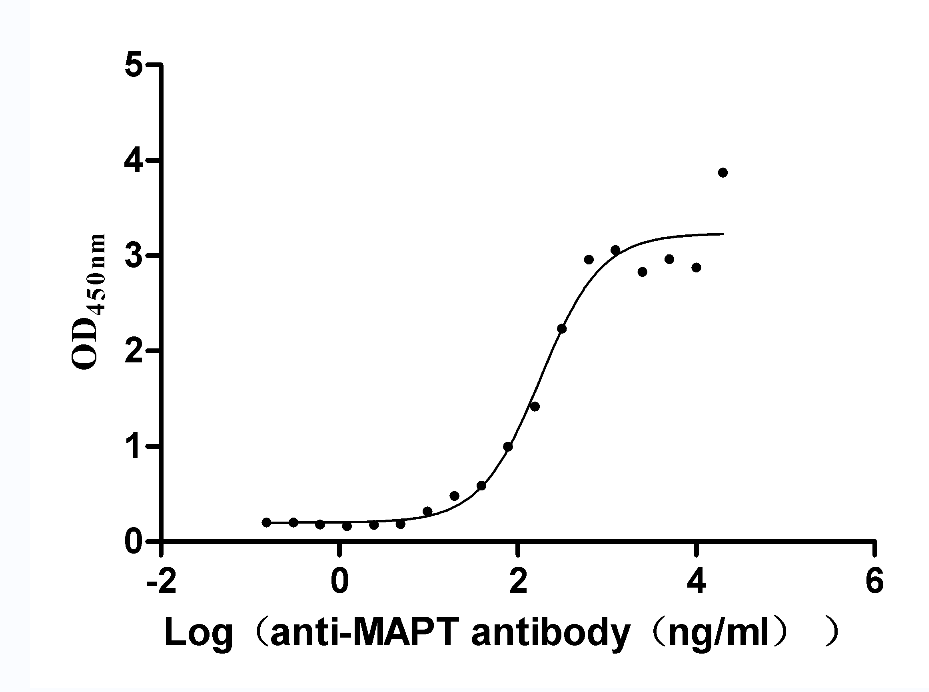
Recombinant Rat Microtubule-associated protein tau (Mapt) (Active)
Express system: Mammalian cell
Species: Rattus norvegicus (Rat)
-
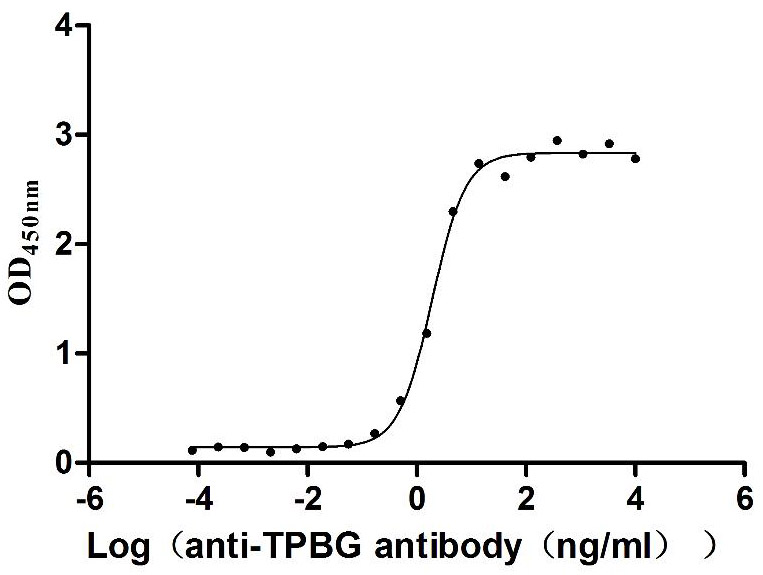
Recombinant Macaca fascicularis Trophoblast glycoprotein (TPBG), partial (Active)
Express system: Mammalian cell
Species: Macaca fascicularis (Crab-eating macaque) (Cynomolgus monkey)
-
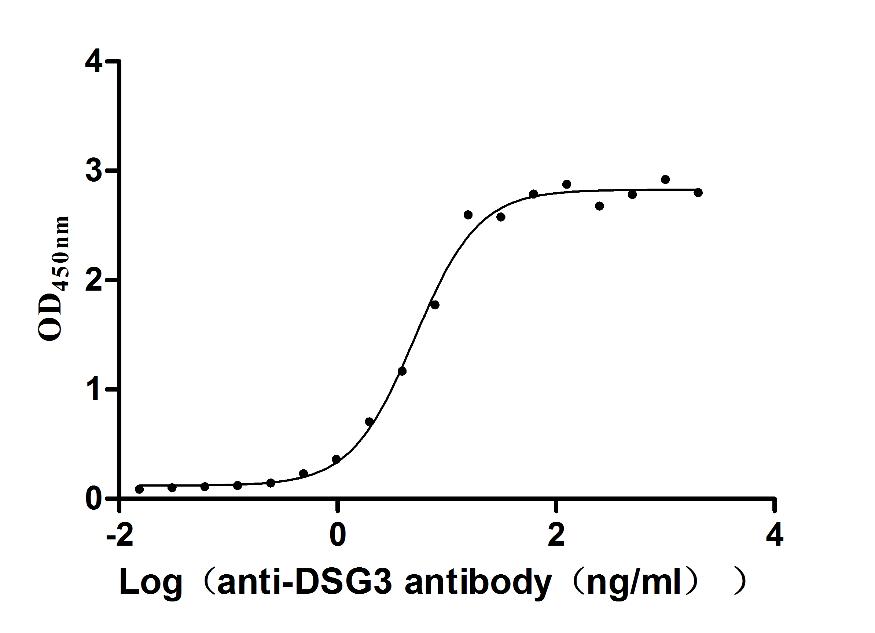
Recombinant Human Desmoglein-3 (DSG3), partial (Active)
Express system: Baculovirus
Species: Homo sapiens (Human)