Recombinant Saccharomyces cerevisiae Serine/threonine-protein kinase MEC1 (MEC1), partial
-
中文名稱:釀酒酵母MEC1重組蛋白
-
貨號:CSB-YP327781SVG
-
規格:
-
來源:Yeast
-
其他:
-
中文名稱:釀酒酵母MEC1重組蛋白
-
貨號:CSB-EP327781SVG
-
規格:
-
來源:E.coli
-
其他:
-
中文名稱:釀酒酵母MEC1重組蛋白
-
貨號:CSB-EP327781SVG-B
-
規格:
-
來源:E.coli
-
共軛:Avi-tag Biotinylated
E. coli biotin ligase (BirA) is highly specific in covalently attaching biotin to the 15 amino acid AviTag peptide. This recombinant protein was biotinylated in vivo by AviTag-BirA technology, which method is BriA catalyzes amide linkage between the biotin and the specific lysine of the AviTag.
-
其他:
-
中文名稱:釀酒酵母MEC1重組蛋白
-
貨號:CSB-BP327781SVG
-
規格:
-
來源:Baculovirus
-
其他:
-
中文名稱:釀酒酵母MEC1重組蛋白
-
貨號:CSB-MP327781SVG
-
規格:
-
來源:Mammalian cell
-
其他:
產品詳情
-
純度:>85% (SDS-PAGE)
-
基因名:MEC1
-
Uniprot No.:
-
別名:MEC1; ESR1; SAD3; YBR136W; YBR1012Serine/threonine-protein kinase MEC1; EC 2.7.11.1; ATR homolog; DNA-damage checkpoint kinase MEC1; Mitosis entry checkpoint protein 1
-
種屬:Saccharomyces cerevisiae (strain ATCC 204508 / S288c) (Baker's yeast)
-
蛋白長度:Partial
-
蛋白標簽:Tag?type?will?be?determined?during?the?manufacturing?process.
The tag type will be determined during production process. If you have specified tag type, please tell us and we will develop the specified tag preferentially. -
產品提供形式:Lyophilized powder
Note: We will preferentially ship the format that we have in stock, however, if you have any special requirement for the format, please remark your requirement when placing the order, we will prepare according to your demand. -
復溶:We recommend that this vial be briefly centrifuged prior to opening to bring the contents to the bottom. Please reconstitute protein in deionized sterile water to a concentration of 0.1-1.0 mg/mL.We recommend to add 5-50% of glycerol (final concentration) and aliquot for long-term storage at -20℃/-80℃. Our default final concentration of glycerol is 50%. Customers could use it as reference.
-
儲存條件:Store at -20°C/-80°C upon receipt, aliquoting is necessary for mutiple use. Avoid repeated freeze-thaw cycles.
-
保質期:The shelf life is related to many factors, storage state, buffer ingredients, storage temperature and the stability of the protein itself.
Generally, the shelf life of liquid form is 6 months at -20°C/-80°C. The shelf life of lyophilized form is 12 months at -20°C/-80°C. -
貨期:Delivery time may differ from different purchasing way or location, please kindly consult your local distributors for specific delivery time.Note: All of our proteins are default shipped with normal blue ice packs, if you request to ship with dry ice, please communicate with us in advance and extra fees will be charged.
-
注意事項:Repeated freezing and thawing is not recommended. Store working aliquots at 4°C for up to one week.
-
Datasheet :Please contact us to get it.
產品評價

靶點詳情
-
功能:Serine/threonine protein kinase which activates checkpoint signaling upon genotoxic stresses such as ionizing radiation (IR), ultraviolet light (UV), or DNA replication stalling, thereby acting as a DNA damage sensor. Recognizes the substrate consensus sequence [ST]-Q. Recruited in complex with protein LCD1 by the single-strand-binding protein complex RPA to DNA lesions in order to initiate the DNA repair by homologous recombination, after the MRX-complex and TEL1 are displaced. Phosphorylates LCD1 and RPA2, a subunit of RPA, involved in DNA replication, repair and recombination. Phosphorylates RAD9, CHK1 and RAD53, which leads to the activation of the CHK1 and RAD53 kinases involved in DNA damage repair cascade. Phosphorylates histone H2A to form H2AS128ph (gamma-H2A) at sites of DNA damage, also involved in the regulation of DNA damage response mechanism. Phosphorylates also SLX4 and RTT107 which are proteins involved in genome stability. Required for cell growth and meiotic recombination.
-
基因功能參考文獻:
- that proteostasis is a fundamental function of Mec1 and that Mec1 is likely to utilize its checkpoint response network to mediate resistance to proteotoxic stress PMID: 30130531
- Mec1 initiates checkpoint signaling, promotes DNA replication, and maintains genetic stability through distinct modes of action. PMID: 29899143
- hese unusual mcm2DENQ phenotypes are markedly similar to those of a special previously-studied allele of the checkpoint sensor kinase ATR/MEC1, suggesting a possible regulatory interplay between Mcm2-7 and ATR during unchallenged growth. PMID: 27556397
- Mec1 is highly activated during normal DNA replication. PMID: 25752575
- Mms21 was phosophorylated during S-phase in a manner dependent on the DNA damage kinase Mec1. S260 S261 phosphorylation may positively regulate the SUMO ligase activity of Mms21 and promote genomic stability. PMID: 25659338
- RNA-processing proteins regulate Mec1/ATR activation by promoting generation of RPA-coated ssDNA PMID: 25527408
- the SWI/SNF chromatin remodeling complex is capable of regulating Mec1 kinase activity PMID: 25792597
- identified a Mec1/ATR- and Dbf4-dependent replication checkpoint in budding yeast that prevents the earliest stage of recombination PMID: 24137535
- Our results suggest that Ddc2 plays a critical role in Mec1 activation as well as Mec1 localization at sites of DNA damage. PMID: 24586187
- C-termunal FATC domain of Mec1 is required for Mec1 folding, stability and nuclear localization. PMID: 23934994
- Mec1 regulates the generation of ssDNA at DSBs, and this control is important to coordinate Mec1 and Tel1 signaling activities at these breaks. PMID: 24357557
- Antagonistic regulation of DSB formation by Mec1 and Tel1 creates a regulatory mechanism, where the absolute frequency of DSBs is maintained at a level optimal for genetic exchange and efficient chromosome segregation. PMID: 23902647
- Mec1 may facilitate DNA replication fork progression during replication stress by increasing chromatin accessibility around replication forks. PMID: 23307868
- in contrast to Tel1p, Mec1p associates with short, functionally compromised telomeres. PMID: 22289863
- Mutant analysis shows that enhanced double-strand-break mobility requires Rad51, the ATPase activity of Rad54, the ATR homologue Mec1 and the DNA-damage-response mediator Rad9 PMID: 22484486
- DNA damage-induced sumoylation does not require Mec1 checkpoint signaling, and the presence of both enables optimal DNA damage resistance PMID: 22285753
- Epistatic analysis demonstrated that the rad31 mutation is an allele of the MEC1 gene, which allows further designation of the rad31 mutation as mec1-212. PMID: 21786666
- Dpb11 and the 9-1-1 complex independently promote Mec1 activation PMID: 21436894
- Rrm3Delta and high concentrations of hydroxyurea suppressed replication slow zone expression in mec1-4ts cells. PMID: 21172804
- Mec1 mutations are associated with increased rates of spontaneous loss of heterozygosity leading to genome instability. PMID: 20410660
- When cells equipped with short telomeres, recruitments of homologous recombination proteins, Rad51 and Rad52, were reduced at an HO-endonuclease-catalyzed double-strand break (DSB), while their associations were increased at chromosome ends. PMID: 20011546
- Cdc5 override the Mec1/ATR checkpoint by acting at different steps of the signaling pathway. PMID: 20098491
- G1 phase checkpoint activation of Mec1 is achieved by the Ddc1 subunit of 9-1-1. PMID: 20005839
- These findings establish a direct role for Mec1 kinase in transcription-coupled repair, at least partly via phosphorylation of Rad26, the main transcription-repair coupling factor. PMID: 19901073
- identify Regulator of Ty1 Transposition as an important new S-phase-specific target of Mec1p PMID: 14988729
- model in which the Mre11 complex and Exo1 cooperate in generating long ssDNA tracts and thereby facilitate Mec1 association with sites of DNA damage or replication block PMID: 15509802
- Multiple DNA damage checkpoint kinase Mec1 regulates the Asf1-Rad53 interaction and therefore affects the activity of the Asf1/Hir complex in vivo. PMID: 16020781
- a new relationship between Cu, Zn superoxide dismutase, Copper chaperone for superoxide dismutase Sod1p, and the MEC1-mediated checkpoint response to replication arrest and DNA damage in Saccharomyces cerevisiae PMID: 16287844
- deletion of YKU70 or YKU80 suppresses mec1Delta, but not rad53Delta, lethality PMID: 16287875
- Activation of the checkpoint kinase Rad53 by the phosphatidyl inositol kinase-like kinase Mec1. PMID: 16365046
- Mec1 has a role in the localization of the Polzeta-Rev1 complex to DNA lesions. PMID: 16546083
- Here we have studied the role of the clamp in regulating Mec1, and we delineate how the signal generated by DNA lesions is transduced to the Rad53 effector kinase. PMID: 17189191
- Control of telomeric recombination by Mec1. PMID: 17202155
- The DNA damage checkpoint clamp Rad17-Mec3-Ddc1 (human 9-1-1) is loaded onto gapped DNA resulting from the partial repair of DNA damage, and the Ddc1 subunit of this complex activates the checkpoint protein kinase Mec1. PMID: 17495536
- review current data on meiotic defects associated with loss of Mec1 functions and discuss the possibility that Mec1 may participate as a fundamentally positive player in coordinating and promoting basic meiotic chromosomal processes during normal meiosis PMID: 17674144
- Dpb11 and yeast 9-1-1 independently activate Mec1, but substantial synergism in activation was observed when both activators were present PMID: 18922789
- Both X ray and UV exposure increased translocation frequencies in mec1-21, but the majority of the UV-associated products were non-reciprocal translocations. PMID: 18929581
- a single amino acid substitution in the C terminus, which could lead to an allosteric change in Chk1, allows it to bypass the requirement of the conserved ATR(Mec1) phosphorylation sites for checkpoint function. PMID: 18984588
- Tel2 can specifically and differentially regulate the function of individual PIKKs. PMID: 19029808
- These results indicate that Cdc28-Mec1 activity inhibits the recruitment of Rad52 to both sites of DNA damage and stalled replication forks during the intra-S-phase checkpoint. PMID: 19262568
- The mode of Mec1/ATR activation by S. cerevisiae 9-1-1 is analogous to activation by S. cerevisiae Dpb11 or by vertebrate TopBP1: activation is mediated by the intrinsically disordered C-terminal tail of each activator. PMID: 19464966
- Data suggest that in the absence of telomerase, a very short telomere is first maintained in a pre-signalling state by a RAD52-MMS1-dependent pathway and then switches to a signalling state leading to senescence through a Mec1p-dependent checkpoint. PMID: 19597486
顯示更多
收起更多
-
亞細胞定位:Nucleus. Note=Localizes to nuclear DNA repair foci in response to DNA double strand breaks. The recruitment to DNA lesion sites requires its interaction with LCD1 and the presence of the RPA complex on DNA.
-
蛋白家族:PI3/PI4-kinase family, ATM subfamily
-
數據庫鏈接:
KEGG: sce:YBR136W
STRING: 4932.YBR136W
Most popular with customers
-
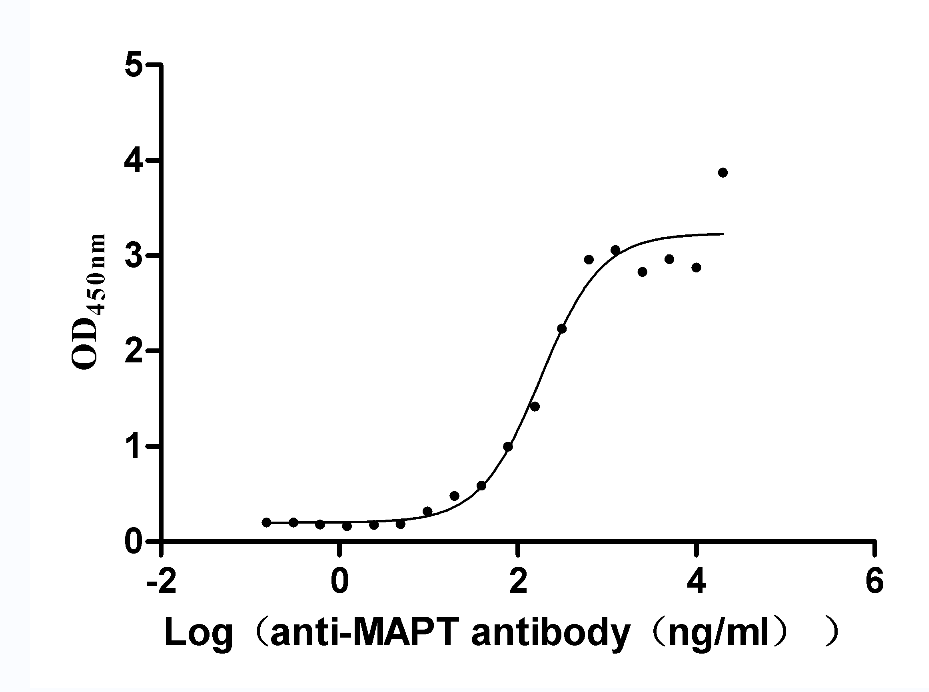
Recombinant Rat Microtubule-associated protein tau (Mapt) (Active)
Express system: Mammalian cell
Species: Rattus norvegicus (Rat)
-
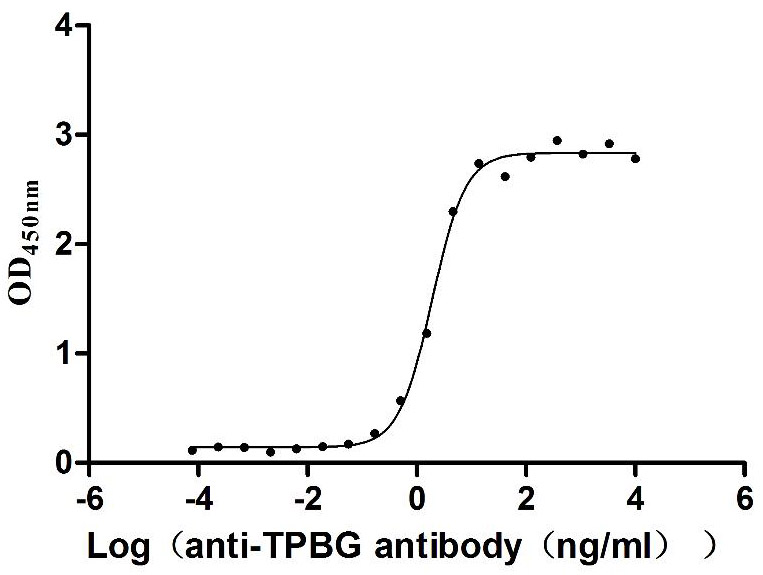
Recombinant Macaca fascicularis Trophoblast glycoprotein (TPBG), partial (Active)
Express system: Mammalian cell
Species: Macaca fascicularis (Crab-eating macaque) (Cynomolgus monkey)
-
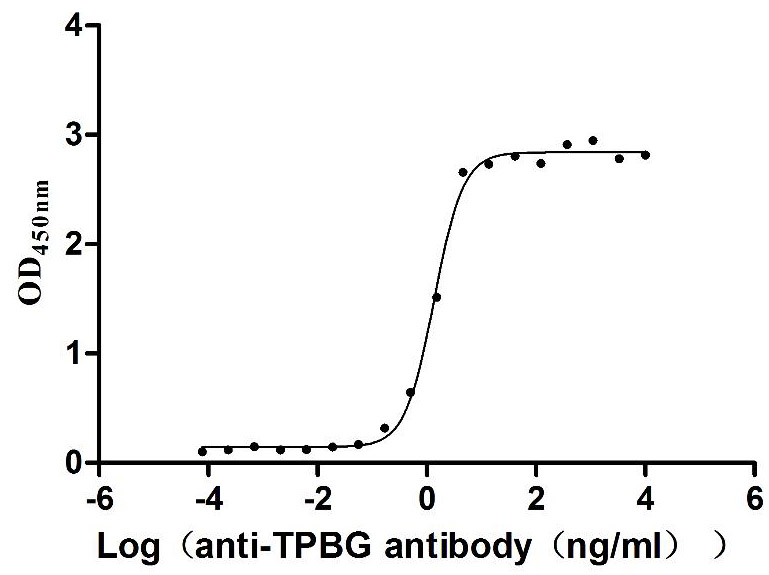
Recombinant Human Trophoblast glycoprotein (TPBG), partial (Active)
Express system: Mammalian cell
Species: Homo sapiens (Human)
-
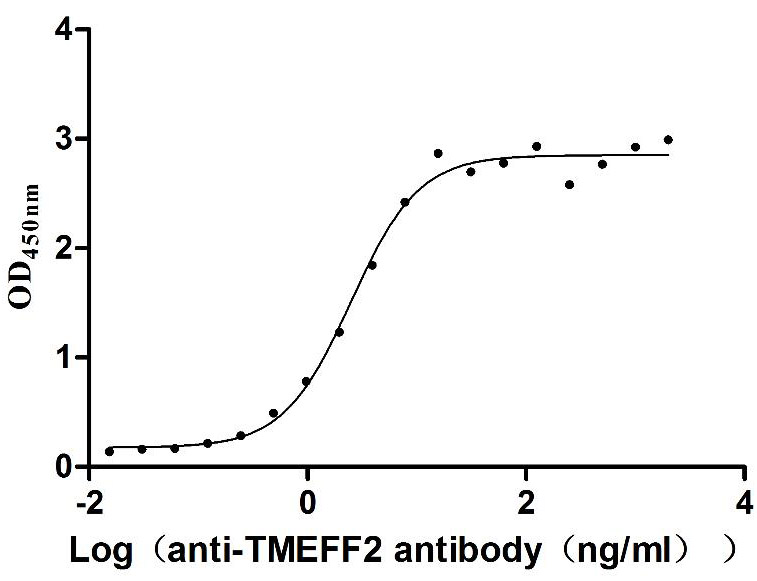
Recombinant Human Tomoregulin-2 (TMEFF2), partial (Active)
Express system: Mammalian cell
Species: Homo sapiens (Human)
-
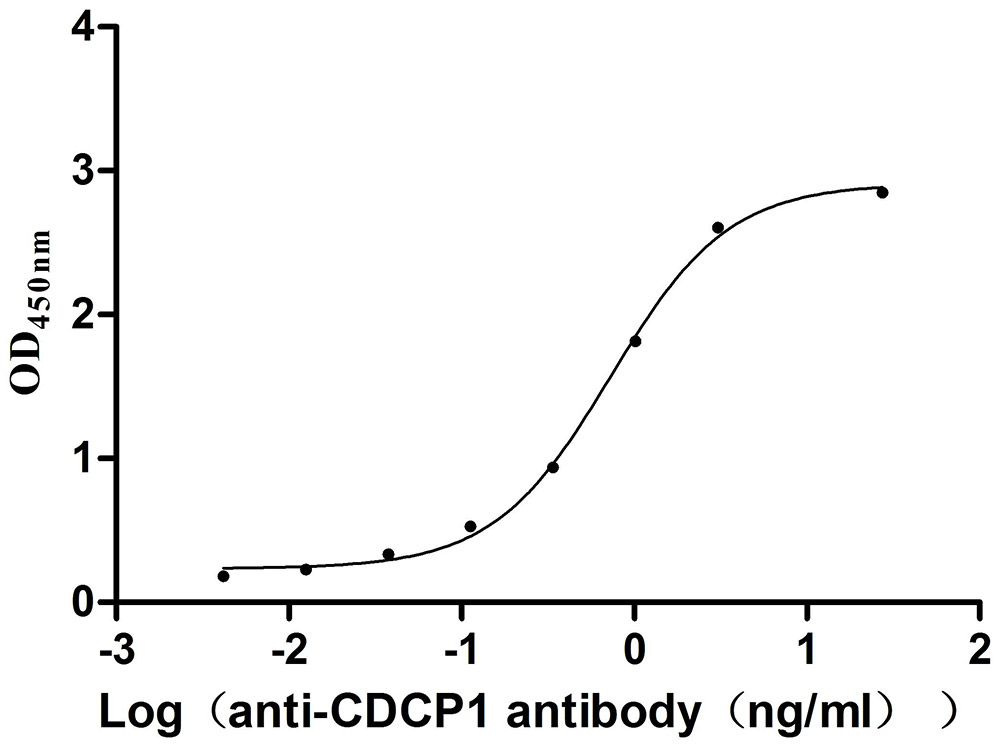
Recombinant Mouse CUB domain-containing protein 1 (Cdcp1), partial (Active)
Express system: Mammalian cell
Species: Mus musculus (Mouse)
-
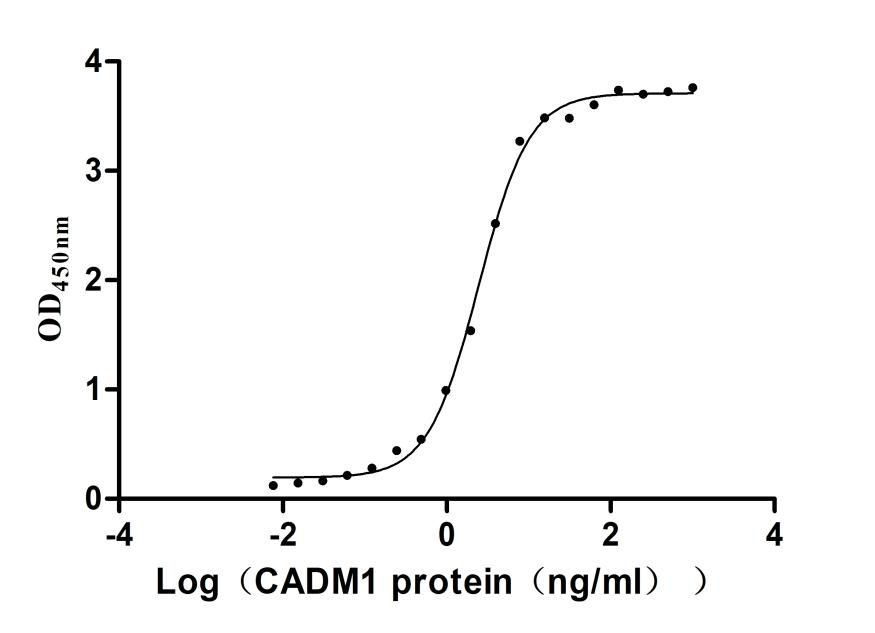
Recombinant Human Cytotoxic and regulatory T-cell molecule (CRTAM), partial (Active)
Express system: Mammalian cell
Species: Homo sapiens (Human)
-
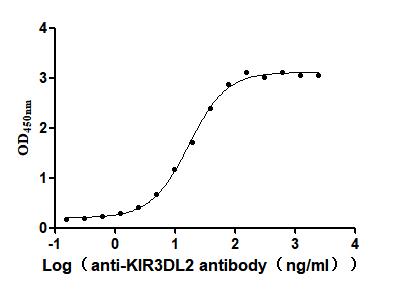
Recombinant Human Killer cell immunoglobulin-like receptor 3DL2 (KIR3DL2), partial (Active)
Express system: Mammalian cell
Species: Homo sapiens (Human)
-
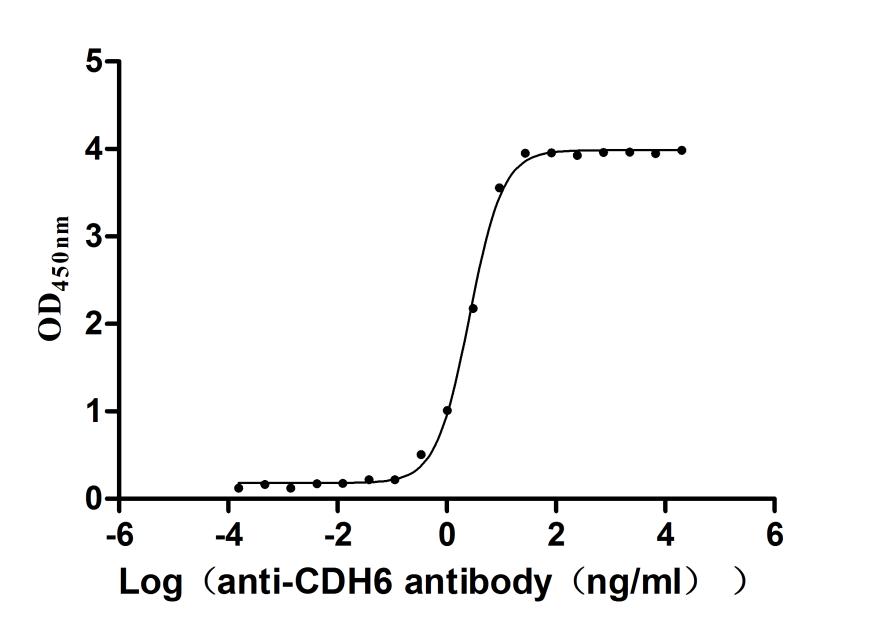
Recombinant Human Cadherin-6 (CDH6), partial (Active)
Express system: Mammalian cell
Species: Homo sapiens (Human)