Recombinant Mouse Oncostatin-M (Osm)
-
中文名稱:小鼠Osm重組蛋白
-
貨號:CSB-YP017260MO
-
規格:
-
來源:Yeast
-
其他:
-
中文名稱:小鼠Osm重組蛋白
-
貨號:CSB-EP017260MO-B
-
規格:
-
來源:E.coli
-
共軛:Avi-tag Biotinylated
E. coli biotin ligase (BirA) is highly specific in covalently attaching biotin to the 15 amino acid AviTag peptide. This recombinant protein was biotinylated in vivo by AviTag-BirA technology, which method is BriA catalyzes amide linkage between the biotin and the specific lysine of the AviTag.
-
其他:
-
中文名稱:小鼠Osm重組蛋白
-
貨號:CSB-BP017260MO
-
規格:
-
來源:Baculovirus
-
其他:
產品詳情
-
純度:>85% (SDS-PAGE)
-
基因名:
-
Uniprot No.:
-
別名:Osm; Oncostatin-M; OSM
-
種屬:Mus musculus (Mouse)
-
蛋白長度:Full Length of Mature Protein
-
表達區域:25-206
-
氨基酸序列NRGCSN SSSQLLSQLQ NQANLTGNTE SLLEPYIRLQ NLNTPDLRAA CTQHSVAFPS EDTLRQLSKP HFLSTVYTTL DRVLYQLDAL RQKFLKTPAF PKLDSARHNI LGIRNNVFCM ARLLNHSLEI PEPTQTDSGA SRSTTTPDVF NTKIGSCGFL WGYHRFMGSV GRVFREWDDG STRSRR
-
蛋白標簽:Tag?type?will?be?determined?during?the?manufacturing?process.
The tag type will be determined during production process. If you have specified tag type, please tell us and we will develop the specified tag preferentially. -
產品提供形式:Lyophilized powder
Note: We will preferentially ship the format that we have in stock, however, if you have any special requirement for the format, please remark your requirement when placing the order, we will prepare according to your demand. -
復溶:We recommend that this vial be briefly centrifuged prior to opening to bring the contents to the bottom. Please reconstitute protein in deionized sterile water to a concentration of 0.1-1.0 mg/mL.We recommend to add 5-50% of glycerol (final concentration) and aliquot for long-term storage at -20℃/-80℃. Our default final concentration of glycerol is 50%. Customers could use it as reference.
-
儲存條件:Store at -20°C/-80°C upon receipt, aliquoting is necessary for mutiple use. Avoid repeated freeze-thaw cycles.
-
保質期:The shelf life is related to many factors, storage state, buffer ingredients, storage temperature and the stability of the protein itself.
Generally, the shelf life of liquid form is 6 months at -20°C/-80°C. The shelf life of lyophilized form is 12 months at -20°C/-80°C. -
貨期:Delivery time may differ from different purchasing way or location, please kindly consult your local distributors for specific delivery time.Note: All of our proteins are default shipped with normal blue ice packs, if you request to ship with dry ice, please communicate with us in advance and extra fees will be charged.
-
注意事項:Repeated freezing and thawing is not recommended. Store working aliquots at 4°C for up to one week.
-
Datasheet :Please contact us to get it.
產品評價

相關產品
靶點詳情
-
功能:Growth regulator. Inhibits the proliferation of a number of tumor cell lines. It regulates cytokine production, including IL-6, G-CSF and GM-CSF from endothelial cells. Uses only type II OSM receptor (heterodimers composed of OSMR and IL6ST). Involved in the maturation of fetal hepatocytes, thereby promoting liver development and regeneration.
-
基因功能參考文獻:
- Oncostatin M is a secreted niche factor responsible for quiescence induction PMID: 29670077
- data revealed that OSM alleviated postinfarction cardiac remodeling and dysfunction by enhancing cardiomyocyte autophagy. OSM holds promise as a therapeutic target in treating HF after MI through Obeta receptor by inhibiting Mst1 phosphorylation. PMID: 27825852
- TRAF5 is crucially involved in OSM-mediated lung inflammation probably by inducing lung stromal/fibroblast cell activation. PMID: 29596835
- OSM mitigated the proliferation of Th17 cells and decreased the expression of IL-17 and IL-21; it promoted the activation of suppressor of cytokine signaling 3 (SOCS3), STAT3, and STAT5; observations suggest that OSM can inhibit Th17 differentiation by reciprocally controlling SOCS3, STAT3, and STAT5 PMID: 28093521
- In an animal model of anti-TNF-resistant intestinal inflammation, genetic deletion or pharmacological blockade of OSM significantly attenuates colitis. PMID: 28368383
- these results support the proinflammatory role of OSM when it is overexpressed in the skin. However, OSM expression was not required in the murine model of psoriasis induced by topical application of imiquimod, as demonstrated by the inflammatory phenotype of OSM-deficient mice or wild-type mice treated with anti-OSM antibodies. PMID: 27122058
- Loss of Oncostatin M Signaling in Adipocytes Induces Insulin Resistance and Adipose Tissue Inflammation in Vivo. PMID: 27325693
- mechanism of OSM-induced cardiomyocyte dedifferentiation is associated with B-Raf/Mek/Erk signaling pathway through the OSM receptor Obeta PMID: 26837420
- Oncostatin M and interleukin-31: Cytokines, receptors, signal transduction and physiology. PMID: 26198770
- OSM plays multiple critical roles in the maintenance and development of the hematopoietic microenvironment in the bone marrow at a steady state as well as after injury. PMID: 25551451
- OSM treatment preserved cardiac function, inhibited apoptosis and fibrosis, and stimulated angiogenesis via upregulating VEGF and bFGF in infarct border zone of ischemic myocardium, indicating that OSM could be a novel therapeutic target for MI. PMID: 26146616
- OSM-induced osteogenesis and upregulation of osteogenic gene products require activity of PKCdelta. PMID: 25634144
- administration of Fstl1 induced airway remodeling and increased OSM, whereas administration of an anti-OSM Ab blocked the effect of Fstl1 on inducing airway remodeling, eosinophilic airway inflammation PMID: 26355153
- A novel role for OSM during pneumonia as an important signal to epithelial cells for chemokine induction mediating neutrophil recruitment. PMID: 25692402
- These results suggest that mOSM, a product of macrophages, sustains intramembranous bone formation by signaling through Osmr and Stat3, acting on the recruitment, proliferation, and/or osteoblast differentiation of endosteal mesenchymal progenitor cells. PMID: 25559270
- In astrocytes but not microglia, phosphorylation of STAT1 and STAT3 occurred in response to OSM, whereas both microglia and astrocytes responded to hyper-IL-6 (IL-6 linked to the soluble IL-6 receptor). PMID: 25103368
- Following spinal cord injury, OSM is produced at the lesion site, where it protects the CNS from further damage and promotes recovery PMID: 24996996
- OSM promotes tumour growth, and does so through altering the local lung environment with accumulation of M2 macrophages. PMID: 24976180
- these results support the ability of OSM to induce B cell activation and iBALT formation independently of IL-6 and highlight a role for IL-6 downstream of OSM in the induction of pulmonary inflammation. PMID: 23797667
- Oncostatin M induces thermal hypersensitivity by directly sensitizing nociceptors via OSMR-gp130 receptor mediated potentiation of TRPV1. PMID: 22196363
- Oncostatin M (OSM), a cytokine of the IL-6 family, was identified as a major coupling factor produced by activated circulating CD14+ or bone marrow CD11b+ monocytes/macrophages. PMID: 22267310
- Oncostatin M (OSM) is a major mediator of cardiomyocyte dedifferentiation and remodeling during acute myocardial infarction (MI) and in chronic dilated cardiomyopathy (DCM). PMID: 22056139
- we show that Oncostatin M (Osm) and its receptor, OsmRbeta, are both expressed in the subventricular zone and that Osm directly inhibits the proliferation of adult neural precursor cells PMID: 21671408
- OSM is expressed in atherosclerotic lesions and may contribute to the progression of atherosclerosis by promoting SMC proliferation, migration and extracellular matrix protein synthesis through the STAT pathway PMID: 21376322
- Loss of oncostatin M is associated with chondrosarcoma. PMID: 21344373
- Overexpression of mouse oncostatin M induces STAT6-dependent pulmonary eosinophilia, mucous/goblet cell hyperplasia, and airway hyperresponsiveness but STAT6-independent mechanisms of lung tissue extracellular matrix accumulation. PMID: 21160052
- These studies are the first to demonstrate the proinflammatory effects of OSM in microglia, and also identify IL-27 as a novel inhibitor of inflammatory processes in these cells. PMID: 20468050
- Findings provide evidence that the inflammatory cytokine oncostatin M is involved in modulation of the Ang-Tie system by increasing Ang2 expression in human endothelial cells in vitro, and in murine hearts and human hearts in vivo. PMID: 20088942
- these results indicate that OSM may play a role in innate immunity and in acquired immunity by enhancing DCs maturation and promoting Th1 immune responses. PMID: 20206608
- Oncostatin M (OSM) is produced by osteoblasts and osteocytes in mouse bone and that it has distinct effects when acting through 2 different receptors. PMID: 20051625
- Results show that oncostatin M favors bone apposition at periosteal sites instead of resorption in vivo, and this effect was not dependent on or inhibited by IL-6. PMID: 12000725
- role for OSM in inflammatory responses that can modulate steady-state ECM deposition in Balb/C mice PMID: 12023835
- Th1 cells regulate hematopoietic progenitor cell homeostasis by production of oncostatin M PMID: 12121663
- Oncostatin M stimulates (45)Ca release and enhances mRNA expression of receptor activator of NF-kappa B ligand (RANKL) and osteoprotegerin in neonatal calvarial bone cultures, but has no effect on the expression of RANK. PMID: 12218157
- oncostatin m mRNA-positive cells were found in hematopoietic organs during development PMID: 12412016
- OSM induces eotaxin expression in mouse fibroblasts at the protein and mRNA level, and adenovirus vector-encoding OSM induces eosinophilia in the lung in vivo following intranasal administration. PMID: 12496442
- Mouse OSM upregulates MMP-9 expression in rat smooth muscle cells through the MEK-ERK but not STAT3 pathway. PMID: 12615664
- Oncostatin M (OM) transforms the lymph node (LN) into a "super lymphoid organ" with 2 striking features: massive thymus-independent T-cell development and major expansion of the memory T-cell pool. PMID: 12702501
- Oncostatin M[OSM]-deficient mice displayed significantly reduced noxious responses in models of acute pain. Thus, OSM plays an essential role in the development of a subtype of nociceptive neurons in the dorsal root ganglia PMID: 14985435
- OSM causes a loss of cell-cell and cell-substratum adhesion ending in cell detachment from monolayer culture. OSM induces the expression of Cox-2. It could contribute to the development of a metastatic phenotype in vivo. PMID: 15168734
- Oncostatin M in combination with either IL-1 or tumour necrosis factor alpha represents cytokine combinations that promote bone destruction. PMID: 15642143
- Oncostatin M uniquely induces significant release of keratinocyte-derived chemokine (KC) and lipopolysaccharide-induced chemokine (LIX) in mouse cardiac fibroblasts. PMID: 16452159
- role of OSM in regulation of VCAM-1 expression, and STAT6 tyrosine 641 phosphorylation in murine fibroblasts PMID: 16547273
- OSM arrests skeletal muscle cell growth at the G1/S checkpoint and this response occurs by an ubiquitin/proteasome-dependent cyclin D1 protein reduction which is regulated by STAT3 PMID: 17976956
- Both LY294002 and PD98059 attenuated Oncostatin M-induced phosphorylation of ERK1/2 MAP kinase and also reduced binding of an AP-1 responsive promoter element, a transcriptional complex known to be MAPK-sensitive. PMID: 18372159
- A dual role for oncostatin M signaling in the differentiation and death of mammary epithelial cells in vivo. PMID: 18927239
- The expression of SCGB3A1 and SCGB3A2 are bidirectionally regulated by oncostatin M (OSM) when examined in a mouse transformed Clara cell line. PMID: 18978304
- Results suggest that OSM plays a key role in the prevention of autoimmune disease by regulating the clearance of apoptotic thymocytes. PMID: 19384873
顯示更多
收起更多
-
亞細胞定位:Secreted.
-
蛋白家族:LIF/OSM family
-
數據庫鏈接:
Most popular with customers
-
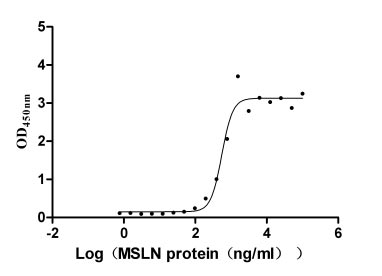
Recombinant Human Mucin-16 (MUC16), partial (Active)
Express system: Mammalian cell
Species: Homo sapiens (Human)
-
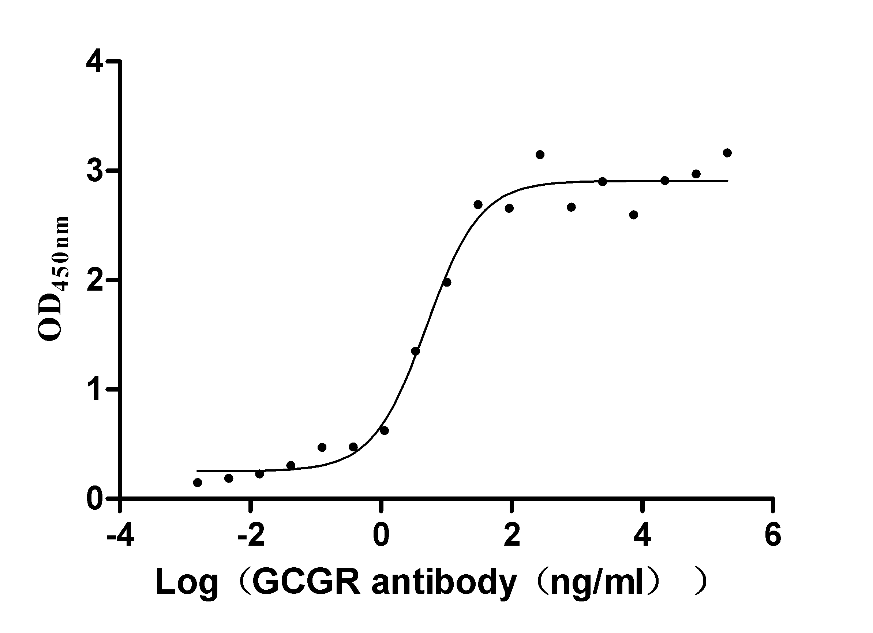
Recombinant Human Glucagon receptor (GCGR), partial (Active)
Express system: Mammalian cell
Species: Homo sapiens (Human)
-
-AC1.jpg)
Recombinant Human Claudin-18.2 (CLDN18.2)-VLPs (Active)
Express system: Mammalian cell
Species: Homo sapiens (Human)
-
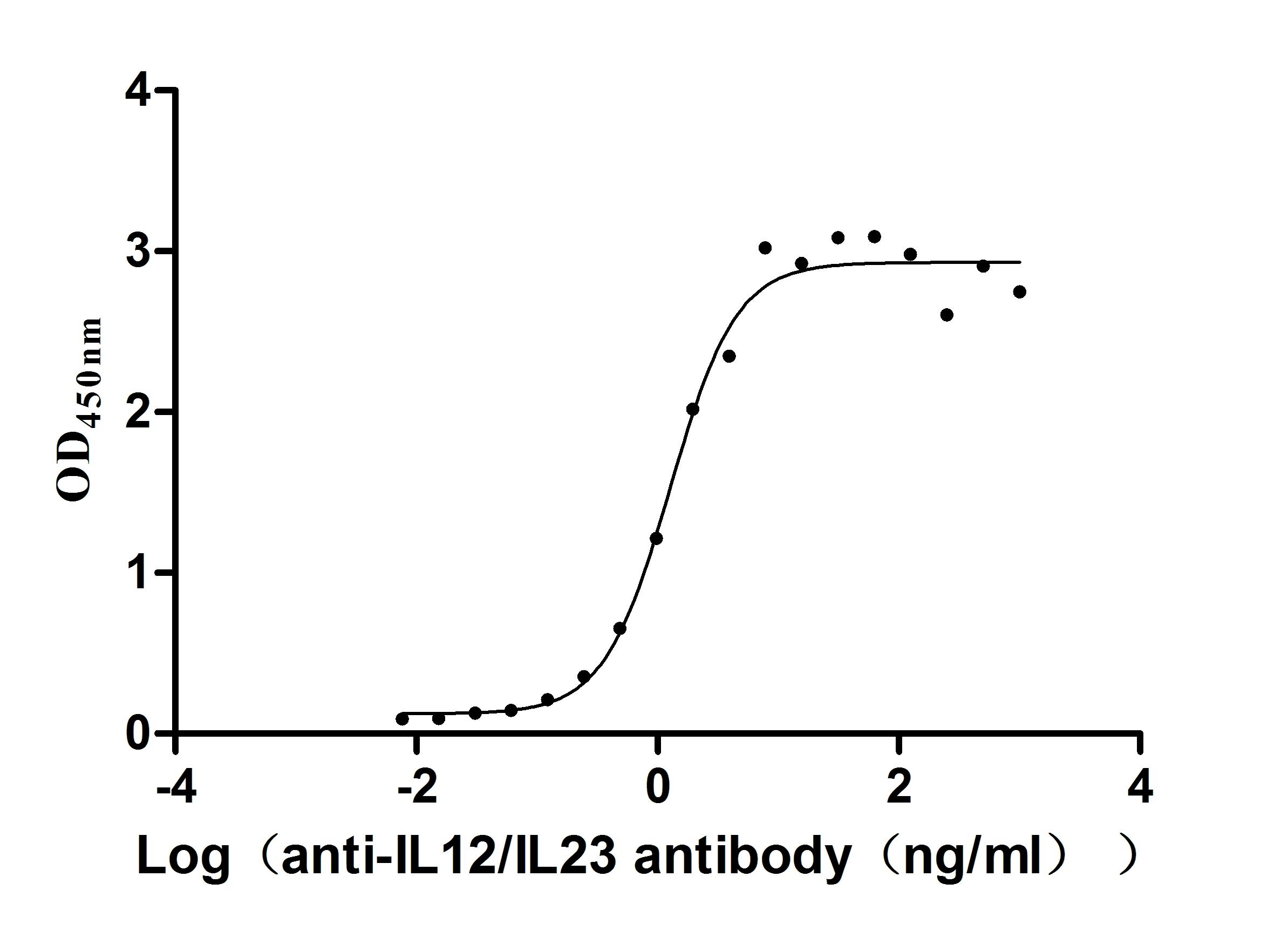
Recombinant Human IL12B&IL12A Heterodimer Protein (Active)
Express system: Mammalian cell
Species: Homo sapiens (Human)
-
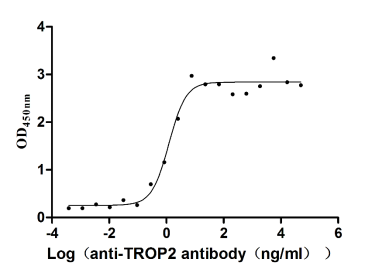
Recombinant Human Tumor-associated calcium signal transducer 2 (TACSTD2), partial (Active)
Express system: Mammalian cell
Species: Homo sapiens (Human)
-
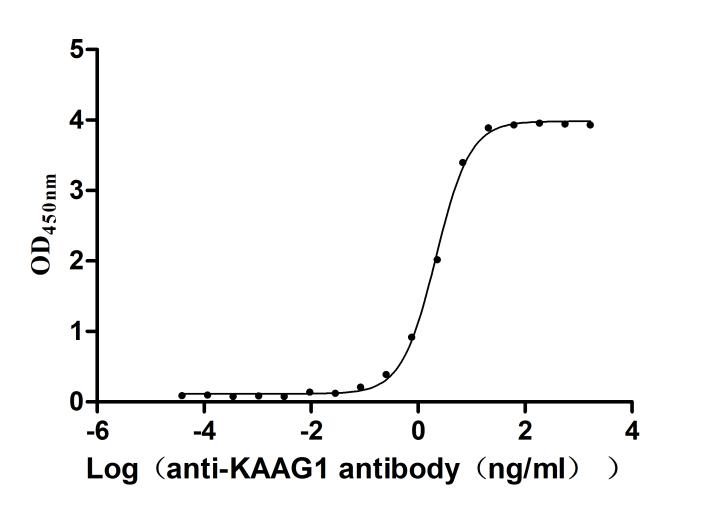
Recombinant Human Kidney-associated antigen 1 (KAAG1) (Active)
Express system: E.coli
Species: Homo sapiens (Human)
-
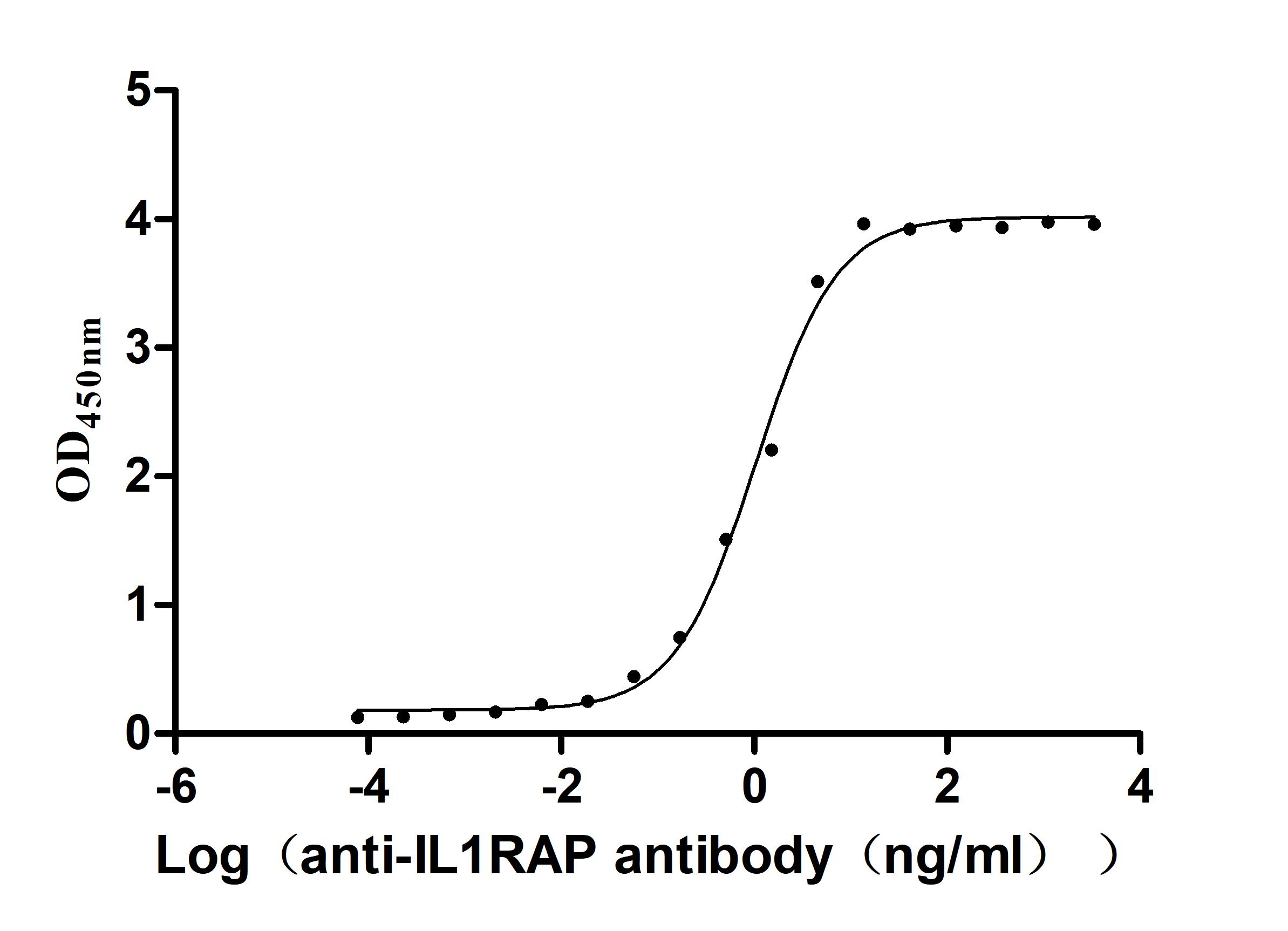
Recombinant Macaca fascicularis Interleukin 1 receptor accessory protein(IL1RAP), partial (Active)
Express system: Mammalian cell
Species: Macaca fascicularis (Crab-eating macaque) (Cynomolgus monkey)
-
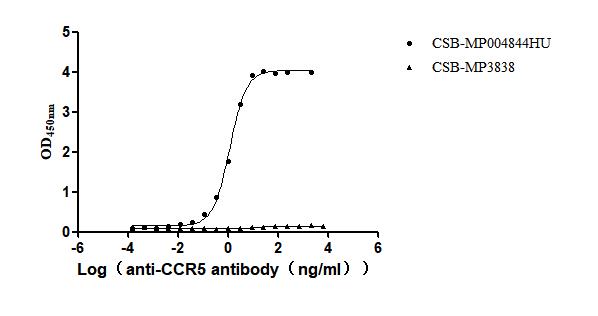
Recombinant Human C-C chemokine receptor type 5 (CCR5)-VLPs (Active)
Express system: Mammalian cell
Species: Homo sapiens (Human)