
Recombinant Mouse 1-acyl-sn-glycerol-3-phosphate acyltransferase beta (Agpat2)-Detergent
-
中文名稱:Recombinant Mouse 1-acyl-sn-glycerol-3-phosphate acyltransferase beta (Agpat2)-Detergent
-
品名簡(jiǎn)稱:Recombinant Mouse Agpat2 protein-Detergent
-
貨號(hào):CSB-MP814318MO-D
-
說(shuō)明書:
-
規(guī)格:¥7875
-
圖片:
-
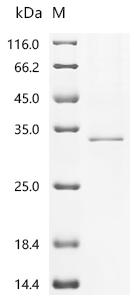 (Tris-Glycine gel) Discontinuous SDS-PAGE (reduced) with 5% enrichment gel and 15% separation gel.
-
-
其他:
產(chǎn)品詳情
-
純度:Greater than 85% as determined by SDS-PAGE.
-
生物活性:Not Test
-
基因名:
-
Uniprot No.:
-
別名:1-acylglycerol-3-phosphate O-acyltransferase 2;1-AGP acyltransferase 2;1-AGPAT 2;Lysophosphatidic acid acyltransferase beta;LPAAT-beta
-
種屬:Mus musculus (Mouse)
-
蛋白長(zhǎng)度:Full Length of Mature Protein
-
來(lái)源:Mammalian cell
-
分子量:32.8 kDa
-
表達(dá)區(qū)域:24-278aa
-
氨基酸序列ARFYAKVGLYCVLCLSFSAAASIVCLLRHGGRTVDNMSIISWFVRSFKYVYGLRFEVSGQKKLEVDGPCVIISNHQSILDMMGLMEILPKRCVQIAKRELMFTGPVGLIMYLGGVYFINRQQARTAMSVMADLGDLMVKENLKVWIYPEGTRNDNGDLLPFKKGAFYLAIQAQVPIIPVVYSSFSSFYNVKTKLFTSGTIKVQVLDAVPTNGLTDADVTKLVDTCYQSMRATFLQISQIPQENSAIKEPGVLPAQ
Note: The complete sequence may include tag sequence, target protein sequence, linker sequence and extra sequence that is translated with the protein sequence for the purpose(s) of secretion, stability, solubility, etc.
If the exact amino acid sequence of this recombinant protein is critical to your application, please explicitly request the full and complete sequence of this protein before ordering. -
蛋白標(biāo)簽:N-terminal 10xHis-tagged and C-terminal Twin-Strep-tagged
-
產(chǎn)品提供形式:Liquid
Note: We will preferentially ship the format that we have in stock, however, if you have any special requirement for the format, please remark your requirement when placing the order, we will prepare according to your demand. -
緩沖液:50 mM HEPES, 0.15 M NaCl, 0.05% DDM, 0.01% CHS, pH7.5
-
復(fù)溶:We recommend that this vial be briefly centrifuged prior to opening to bring the contents to the bottom. Please reconstitute protein in deionized sterile water to a concentration of 0.1-1.0 mg/mL.We recommend to add 5-50% of glycerol (final concentration) and aliquot for long-term storage at -20℃/-80℃. Our default final concentration of glycerol is 50%. Customers could use it as reference.
-
儲(chǔ)存條件:Store at -20°C/-80°C upon receipt, aliquoting is necessary for mutiple use. Avoid repeated freeze-thaw cycles.
-
保質(zhì)期:The shelf life is related to many factors, storage state, buffer ingredients, storage temperature and the stability of the protein itself.
Generally, the shelf life of liquid form is 6 months at -20°C/-80°C. The shelf life of lyophilized form is 12 months at -20°C/-80°C. -
貨期:Delivery time may differ from different purchasing way or location, please kindly consult your local distributors for specific delivery time.
-
注意事項(xiàng):Repeated freezing and thawing is not recommended. Store working aliquots at 4℃ for up to one week.
-
Datasheet & COA:Please contact us to get it.
產(chǎn)品評(píng)價(jià)

相關(guān)產(chǎn)品
靶點(diǎn)詳情
-
功能:Converts 1-acyl-sn-glycerol-3-phosphate (lysophosphatidic acid or LPA) into 1,2-diacyl-sn-glycerol-3-phosphate (phosphatidic acid or PA) by incorporating an acyl moiety at the sn-2 position of the glycerol backbone.
-
基因功能參考文獻(xiàn):
- Adipogenically induced Agpat2(-/-) preadipocytes had fewer lipid-loaded cells and lower levels of adipocyte markers than wild type preadipocytes. PMID: 26417690
- Leptin ameliorates insulin resistance and hepatic steatosis in Agpat2-/- lipodystrophic mice independent of hepatocyte leptin receptors PMID: 24293639
- The lack of normal insulin signaling in Agpat2(-/-) livers allows unrestricted phosphatidic acid-induced gluconeogenesis. PMID: 24425876
- Data suggest that Agpat2 regulates adipogenesis through modulation of lipid metabolism/signal transduction, altering normal activation of phosphatidylinositol 3-kinase (PI3K)/protooncogene c-Akt and PPARgamma signaling in early stage of adipogenesis. PMID: 22872237
- the role of AGPAT1 or AGPAT2 in liver lipogenesis is minimal and that accumulation of liver fat is primarily a consequence of insulin resistance PMID: 21873652
- Loss of adipocytes by necrosis and apoptosis in Agpat2 null mice PMID: 21051554
- There is a prevalence of mutations in this enzymes among human lipodystrophies PMID: 12765973
- impaired AGPAT2 activity affects availability of phosphatidic acid (PA) for triacylglycerol synthesis but not overall PA synthesis nor utilization of PA for phospholipid synthesis PMID: 16495223
- The alternative monoacylglycerol pathway for triglyceride biosynthesis is activated in the absence of 1-acylglycerol-3-phosphate O-acyltransferase 2. PMID: 19187773
顯示更多
收起更多
-
亞細(xì)胞定位:Endoplasmic reticulum membrane; Multi-pass membrane protein.
-
蛋白家族:1-acyl-sn-glycerol-3-phosphate acyltransferase family
-
組織特異性:Expressed at high levels in the liver, at intermediate levels in the kidney, gut, heart and skeletal muscles. Undetectable in brain and spleen.
-
數(shù)據(jù)庫(kù)鏈接:
Most popular with customers
-
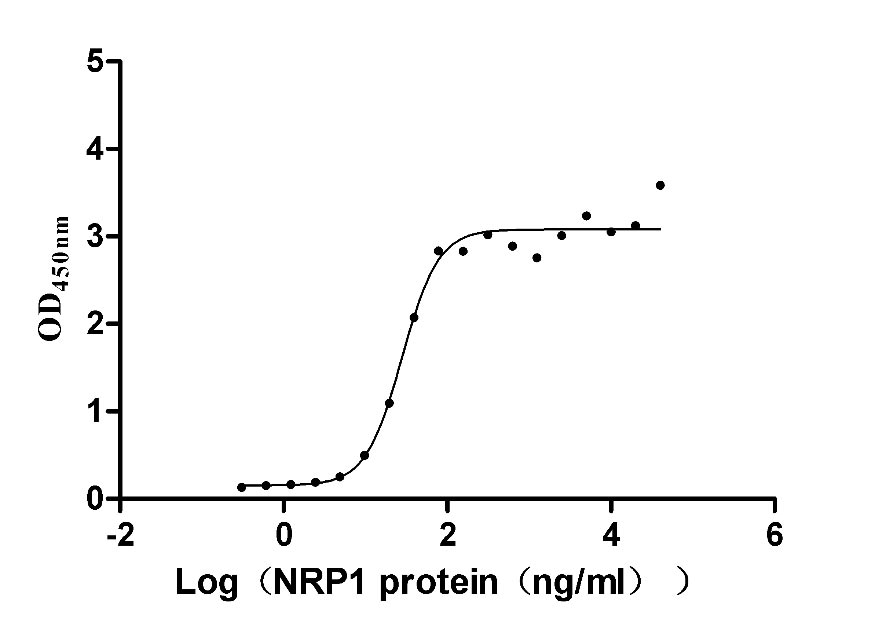
Recombinant Human Neuropilin-1 (NRP1) (Active)
Express system: Mammalian cell
Species: Homo sapiens (Human)
-
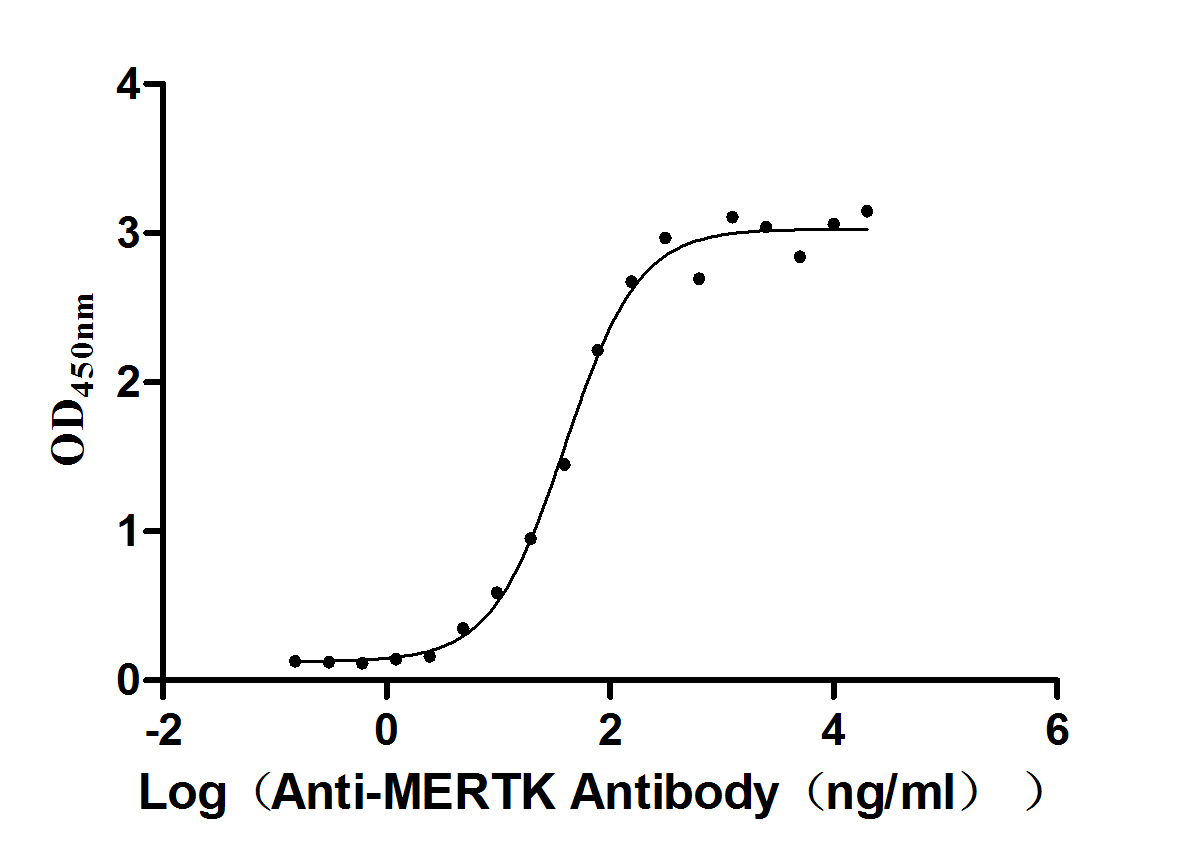
Recombinant Human Tyrosine-protein kinase Mer (MERTK), partial (Active)
Express system: Mammalian cell
Species: Homo sapiens (Human)
-
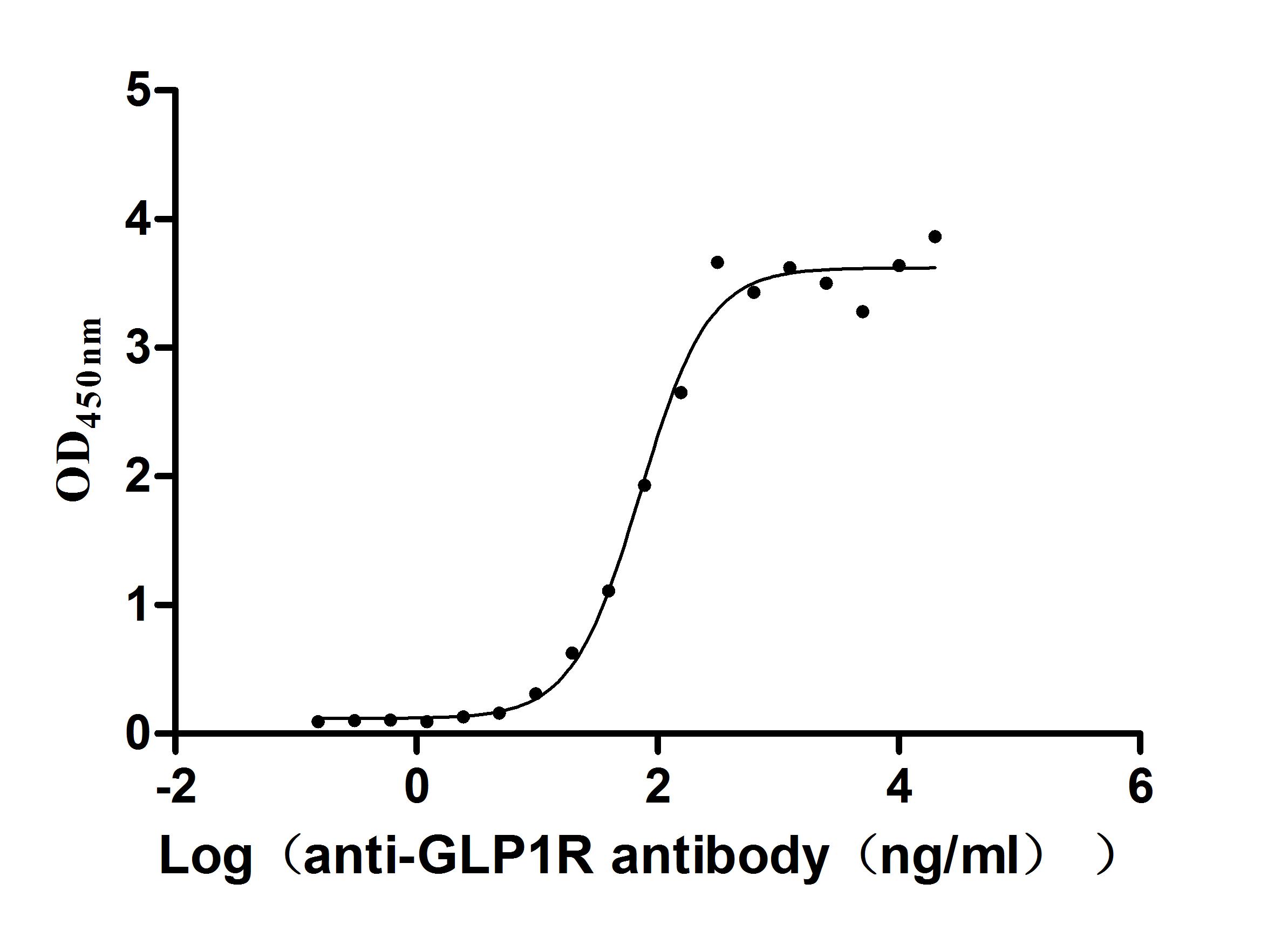
Recombinant Human Glucagon-like peptide 1 receptor (GLP1R), partial (Active)
Express system: Mammalian cell
Species: Homo sapiens (Human)
-
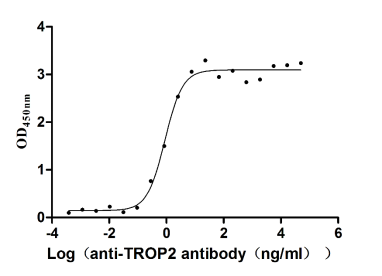
Recombinant Human Tumor-associated calcium signal transducer 2 (TACSTD2), partial (Active)
Express system: Mammalian cell
Species: Homo sapiens (Human)
-
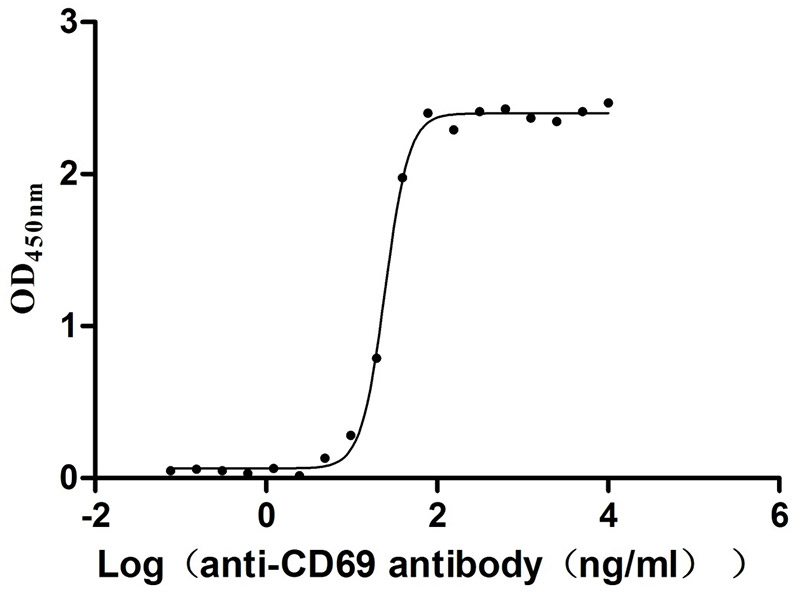
Recombinant Human Early activation antigen CD69 (CD69), partial (Active)
Express system: Mammalian cell
Species: Homo sapiens (Human)
-
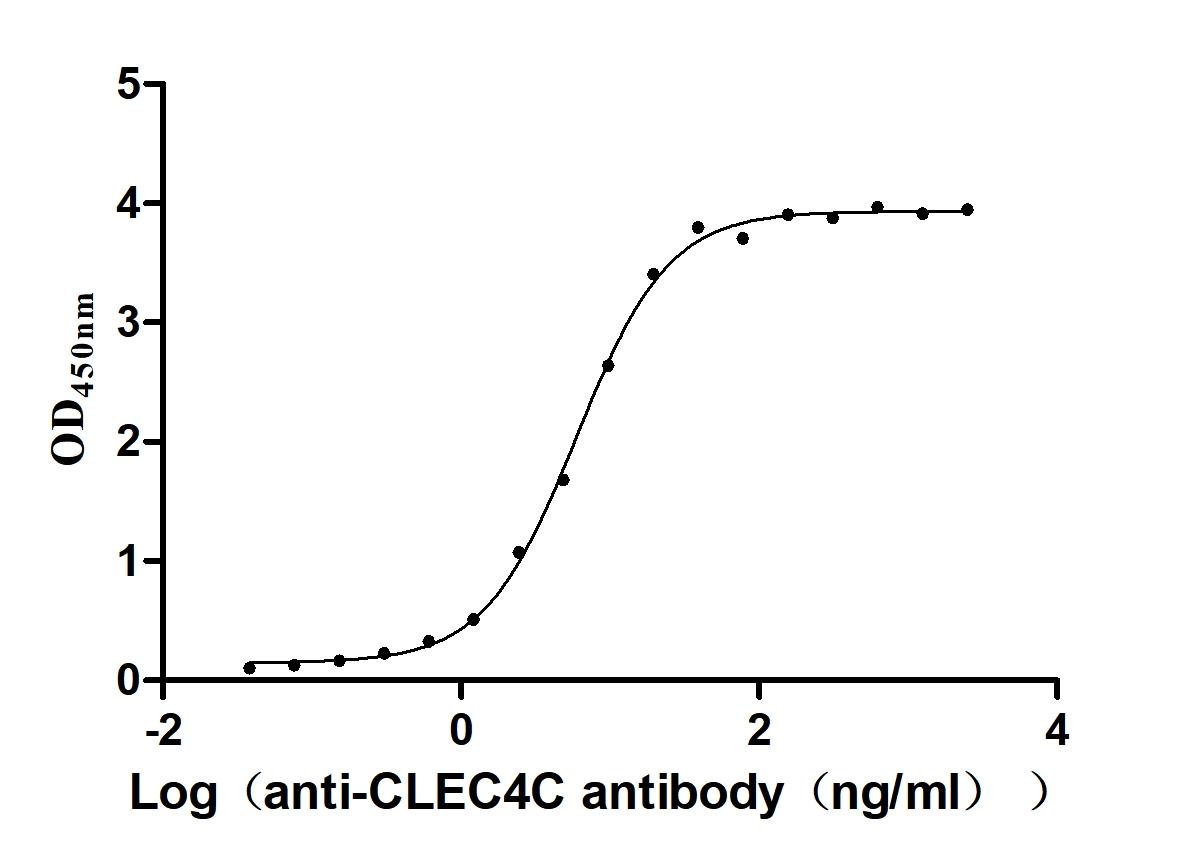
Recombinant Macaca fascicularis C-type lectin domain family 4 member C(CLEC4C), partial (Active)
Express system: Mammalian cell
Species: Macaca fascicularis (Crab-eating macaque) (Cynomolgus monkey)
-
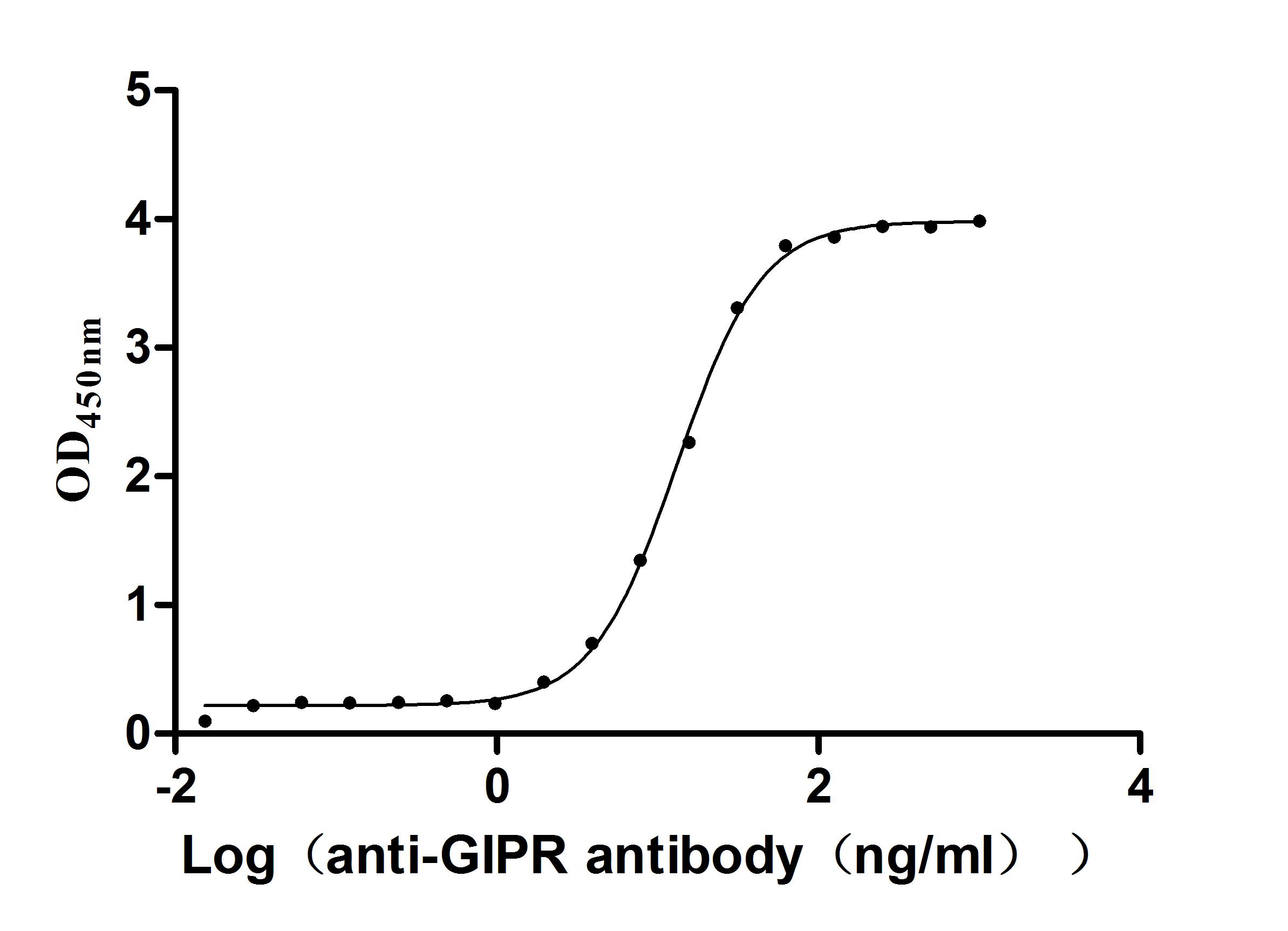
Recombinant Macaca fascicularis Gastric inhibitory polypeptide receptor (GIPR), partial (Active)
Express system: yeast
Species: Macaca fascicularis (Crab-eating macaque) (Cynomolgus monkey)
-
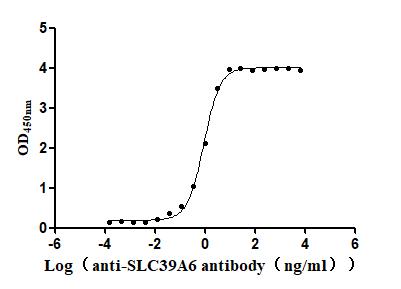
Recombinant Macaca fascicularis Zinc transporter ZIP6 isoform X1(SLC39A6),partial (Active)
Express system: Baculovirus
Species: Macaca fascicularis (Crab-eating macaque) (Cynomolgus monkey)