Recombinant Mouse H-2 class I histocompatibility antigen, K-B alpha chain (H2-K1), partial
In Stock-
中文名稱:小鼠H2-K1重組蛋白
-
品名簡稱:Recombinant Mouse H2-K1 protein, partial
-
貨號:CSB-EP360792MO
-
說明書:
-
規格:¥2328
-
圖片:
-
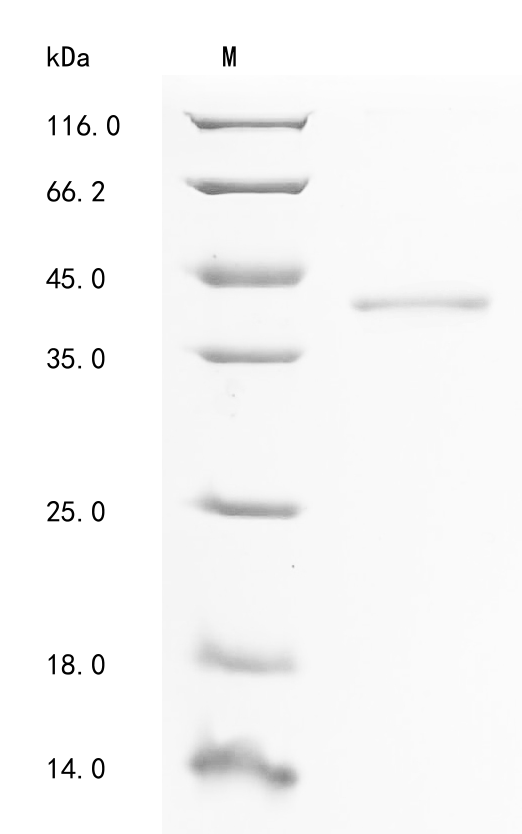 (Tris-Glycine gel) Discontinuous SDS-PAGE (reduced) with 5% enrichment gel and 15% separation gel.
-
-
其他:
產品詳情
-
純度:Greater than 90% as determined by SDS-PAGE.
-
基因名:H2-K1
-
Uniprot No.:
-
種屬:Mus musculus (Mouse)
-
蛋白長度:Partial
-
來源:E.coli
-
分子量:38.6 kDa
-
表達區域:22-305aa
-
氨基酸序列GPHSLRYFVTAVSRPGLGEPRYMEVGYVDDTEFVRFDSDAENPRYEPRARWMEQEGPEYWERETQKAKGNEQSFRVDLRTLLGYYNQSKGGSHTIQVISGCEVGSDGRLLRGYQQYAYDGCDYIALNEDLKTWTAADMAALITKHKWEQAGEAERLRAYLEGTCVEWLRRYLKNGNATLLRTDSPKAHVTHHSRPEDKVTLRCWALGFYPADITLTWQLNGEELIQDMELVETRPAGDGTFQKWASVVVPLGKEQYYTCHVYHQGLPEPLTLRWEPPPSTVSNM
Note: The complete sequence may include tag sequence, target protein sequence, linker sequence and extra sequence that is translated with the protein sequence for the purpose(s) of secretion, stability, solubility, etc.
If the exact amino acid sequence of this recombinant protein is critical to your application, please explicitly request the full and complete sequence of this protein before ordering. -
蛋白標簽:N-terminal 6xHis-tagged
-
產品提供形式:Liquid or Lyophilized powder
Note: We will preferentially ship the format that we have in stock, however, if you have any special requirement for the format, please remark your requirement when placing the order, we will prepare according to your demand. -
緩沖液:If the delivery form is liquid, the default storage buffer is Tris/PBS-based buffer, 5%-50% glycerol. If the delivery form is lyophilized powder, the buffer before lyophilization is Tris/PBS-based buffer, 6% Trehalose.
-
復溶:We recommend that this vial be briefly centrifuged prior to opening to bring the contents to the bottom. Please reconstitute protein in deionized sterile water to a concentration of 0.1-1.0 mg/mL.We recommend to add 5-50% of glycerol (final concentration) and aliquot for long-term storage at -20℃/-80℃. Our default final concentration of glycerol is 50%. Customers could use it as reference.
-
儲存條件:Store at -20°C/-80°C upon receipt, aliquoting is necessary for mutiple use. Avoid repeated freeze-thaw cycles.
-
保質期:The shelf life is related to many factors, storage state, buffer ingredients, storage temperature and the stability of the protein itself.
Generally, the shelf life of liquid form is 6 months at -20°C/-80°C. The shelf life of lyophilized form is 12 months at -20°C/-80°C. -
貨期:3-7 business days
-
注意事項:Repeated freezing and thawing is not recommended. Store working aliquots at 4°C for up to one week.
-
Datasheet & COA:Please contact us to get it.
產品評價

相關產品
靶點詳情
-
功能:Involved in the presentation of foreign antigens to the immune system.
-
基因功能參考文獻:
- Major histocompatibility class I molecules H2-Kb and H2-Db proteins regulate sculpting of local cortical circuits and in their absence, the excess connectivity can function as a substrate for cortical plasticity throughout life. PMID: 25316337
- H-2Kb in an unfolded form to a post-endoplasmic reticulum compartment from where they can cycle back to the endoplasmic reticulum. PMID: 26714929
- tissue-specific h-2K(d) transgenic mice may be valuable tools for determining the mode of induction of CD8(+) T-cell responses. PMID: 23142461
- Analysis of CD8-positive T lymphocytes responsive to an H-2Kb-restricted immunodominant peptide displays T cell-homing patterns that support surveillance of both upper- and lower respiratory tract tissues by clonally related cells. PMID: 21690324
- Adult mice exposed to a noninherited maternal antigen accepts permanently H2-Kb-positive heart allografts despite the presence of normal levels of anti-K(b) T cell receptor transgenic T cells. PMID: 21178009
- Major histocompatibility class Ib-restricted CD8-positive T cells, in addition to H2-M3-restricted T cells, contribute to antilisterial immunity and may contribute to immune responses against other intracellular bacteria. PMID: 21098224
- The interaction of SHIP, 2B4 activating receptor, and the major histocompatibility complex influence the regulation of the natural killer (NK) cell receptor repertoire, cytolytic function, and interferon-gamma production. PMID: 20363967
- Data imply that a cognate linkage between TLR3 and MHC class I is required for efficient CTL priming to HSV-1. PMID: 20124105
- Endoplasmic reticulum aminopeptidase (ERAAP)-deficiency changes the antigen processing mechanism and causes a marked increase in the length of peptides normally presented by the histocompatibility class I-peptide binding groove. PMID: 20173027
- Data provide biological confirmation that the chromosome 6 QTL provided MCMV control independent of H-2(k) via NK cells. PMID: 19820922
- showed that a large disulfide-bonded complex was present in the mouse cells that included ERp57, tapasin, and K(d). PMID: 19687800
- Analysis of structure and function relationships of an autoantigenic peptide of insulin bound to H-2K(d) that stimulates CD8 T cells in insulin-dependent diabetes mellitus. PMID: 11943852
- intramembrane mechanism by which unassembled H2Kb molecules are retained in the endoplasmic reticulum of fibroblasts PMID: 12006653
- The H2-K(b) gene belongs to target genes of the NF-IL6 (C/EBPbeta) in the course of the cellular response to TNF-alpha. Some consequences of this are discussed in a general framework of inducible expression of the H2-K(b) gene. PMID: 12184911
- linked mhc polymorphism-driven diversification of the cytotoxic T lymphocyte repertoire to the generation of high-avidity, protective antiviral T cells and to superior antiviral defense PMID: 12459592
- crystal structure complexed with an HBV-core nonapeptide PMID: 15272181
- signaling through the mouse NK inhibitory receptor Ly49C requires the presence of H-2Kb and this signaling is prevented when H-2Kb is ablated by pulsing with a peptide that can bind to it with high affinity PMID: 16148097
- two H-2K(k)-peptide complexes provide insights into the mechanisms through which MHC polymorphism outside primary peptide pockets influences the conformation of the bound peptides and have implications for TCR recognition PMID: 16148128
- Linkage analysis performed in F(2) backcross ([BALB/c x C3H/HeN] x BALB/c) mice carrying the H2(k) region confirmed the presence of a susceptibility locus within the H2 region on proximal chromosome 17. PMID: 16148132
- analysis of K(d)-restricted antigen presentation and recognition events PMID: 16473882
- These results demonstrate that Ly49Q efficiently binds H-2K(b) ligand. PMID: 17240452
- Study presents the 2.35 A structure of the 2C TCR complexed with its foreign ligand H-2L(d)-QL9; surprisingly, TCR utilizes a different strategy to engage the foreign pMHC in comparison to the manner in which it recognizes a self ligand H-2K(b)-dEV8. PMID: 17418792
- Naive polyclonal class Ib-restricted CD8-positive T cells have the ability to homeostatically expand in the periphery in a largely class Ib-dependent manner. PMID: 18292501
- the mHpa398 and mHpa519 peptides are novel H-2K(b)-restricted CTL epitopes capable of inducing heparanase-specific CTLs in vitro and in vivo PMID: 18316618
- an unsuspected role for the MHC-I-Ly49 interaction in the development and function of the brain. PMID: 18453559
- data suggest that APLP2 modulates the stability and endocytosis of K(d) molecules PMID: 18641335
- Ethanol-elicited reduction in proteasome activity contributes to the suppression of SIINFEKL-H2Kb presentation on the surface of liver cells. PMID: 19195028
- These physiological and behavioral phenotypes in K(b)D(b-/-) mice reveal a surprising role for classical MHCI molecules in synaptic plasticity and motor learning. PMID: 19346486
- the MHC class I D locus prompts expansion and activation of Ly49G2(+) NK cells that are needed in H-2(k) MCMV resistance. PMID: 19454713
- comparison of the consequences of MHC overexpression in muscle at different ages;a markedly more severe disease phenotype in young mice, with rapid onset of muscle weakness and pathology PMID: 19700752
- H2-Kb and H2-Db ligands, signaling via neuronal class I histocompatibility antigen receptors, may enable activity-dependent remodeling of brain circuits during developmental critical periods. PMID: 19945389
顯示更多
收起更多
-
亞細胞定位:Membrane; Single-pass type I membrane protein.
-
蛋白家族:MHC class I family
-
數據庫鏈接:
Most popular with customers
-
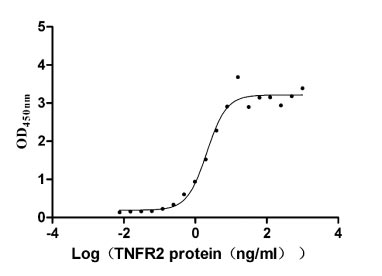
Recombinant Human Lymphotoxin-alpha (LTA) (Active)
Express system: Mammalian cell
Species: Homo sapiens (Human)
-
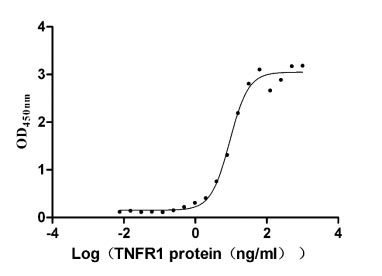
Recombinant Human Tumor necrosis factor receptor superfamily member 1A (TNFRSF1A), partial (Active)
Express system: Mammalian cell
Species: Homo sapiens (Human)
-
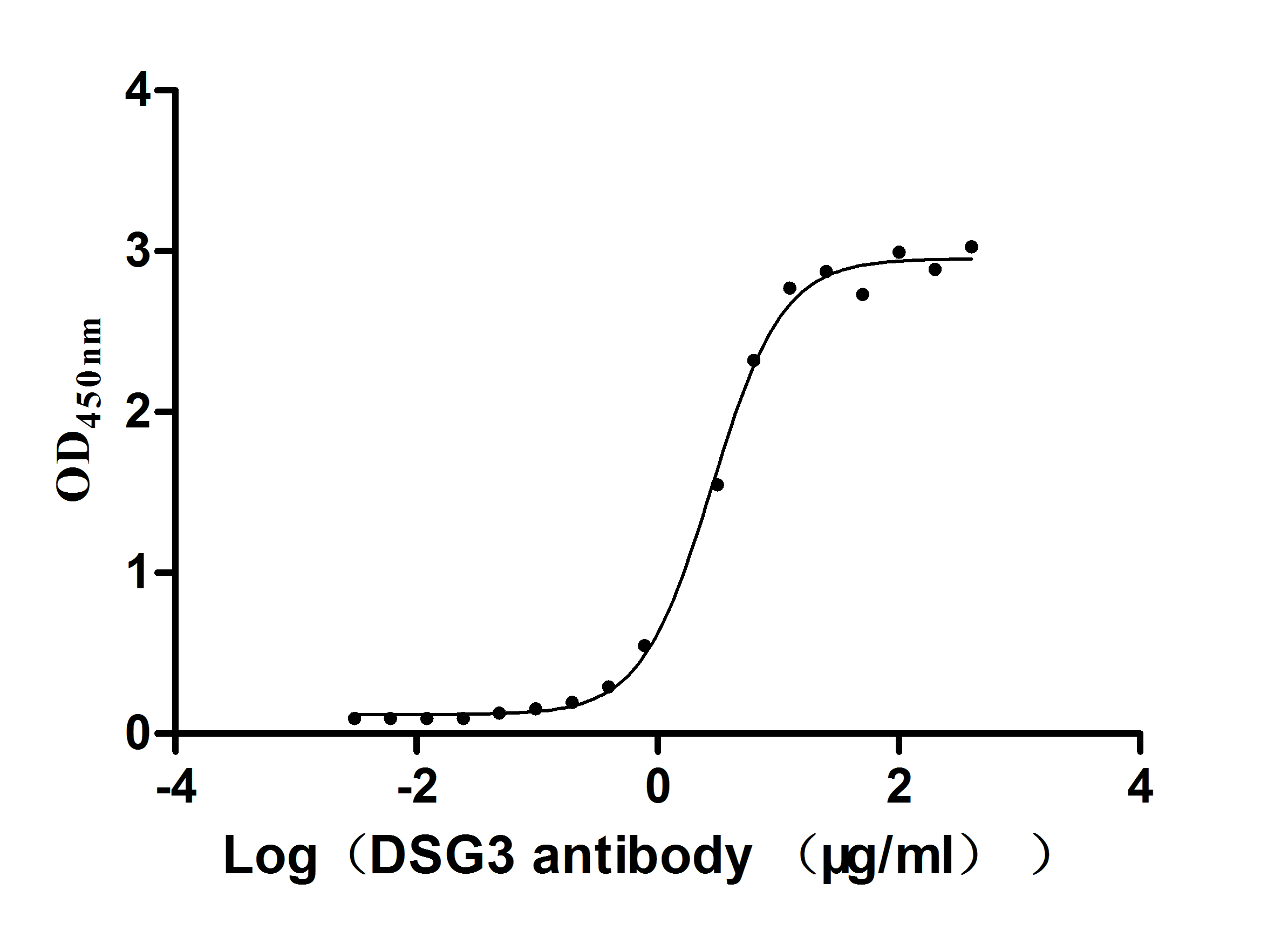
Recombinant Mouse Desmoglein-3 (Dsg3), partial (Active)
Express system: Mammalian cell
Species: Mus musculus (Mouse)
-
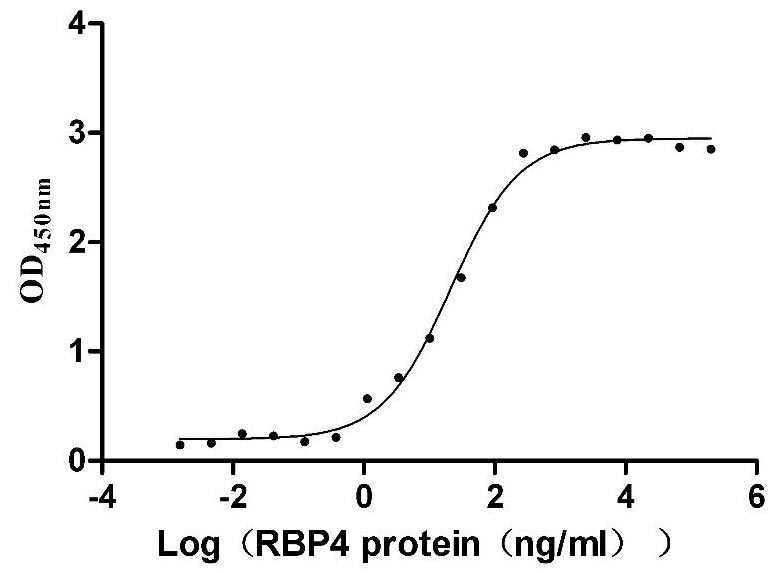
Recombinant Mouse Transthyretin (Ttr) (Active)
Express system: Mammalian cell
Species: Mus musculus (Mouse)
-
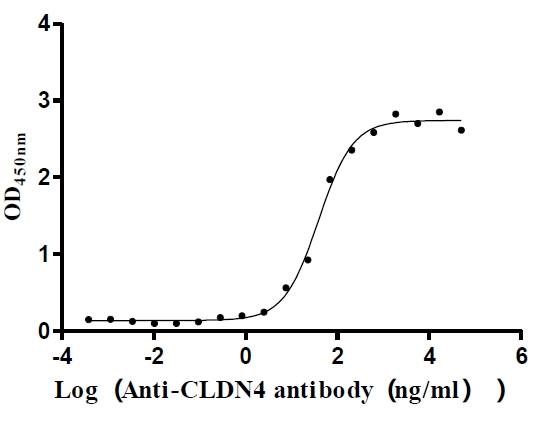
Recombinant Human Claudin-4 (CLDN4)-VLPs (Active)
Express system: Mammalian cell
Species: Homo sapiens (Human)
-
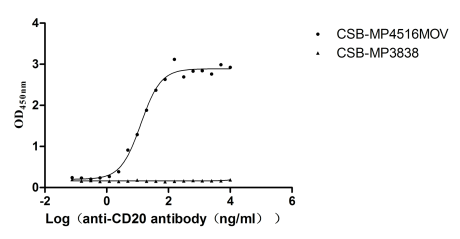
Recombinant Macaca fascicularis Membrane spanning 4-domains A1 (MS4A1)-VLPs (Active)
Express system: Mammalian cell
Species: Macaca fascicularis (Crab-eating macaque) (Cynomolgus monkey)
-
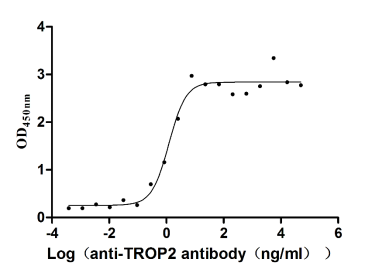
Recombinant Human Tumor-associated calcium signal transducer 2 (TACSTD2), partial (Active)
Express system: Mammalian cell
Species: Homo sapiens (Human)
-
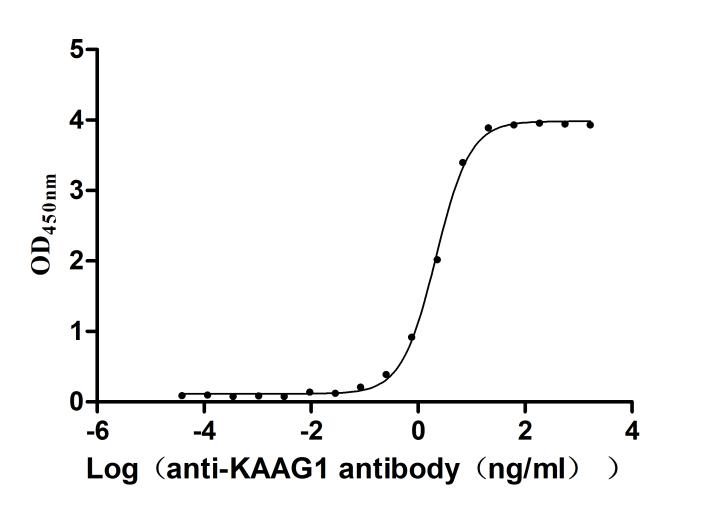
Recombinant Human Kidney-associated antigen 1 (KAAG1) (Active)
Express system: E.coli
Species: Homo sapiens (Human)