Recombinant Mouse Gastric inhibitory polypeptide receptor (Gipr), partial
In Stock-
中文名稱:小鼠Gipr重組蛋白
-
品名簡稱:Recombinant Mouse Gipr protein, partial
-
貨號:CSB-EP009438MO1
-
說明書:
-
規格:¥2328
-
圖片:
-
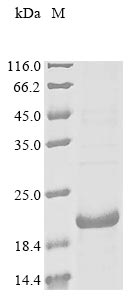 (Tris-Glycine gel) Discontinuous SDS-PAGE (reduced) with 5% enrichment gel and 15% separation gel.
-
-
其他:
產品詳情
-
純度:Greater than 85% as determined by SDS-PAGE.
-
基因名:
-
Uniprot No.:
-
別名:Gipr; Gastric inhibitory polypeptide receptor; GIP-R; Glucose-dependent insulinotropic polypeptide receptor
-
種屬:Mus musculus (Mouse)
-
蛋白長度:Partial
-
來源:E.coli
-
分子量:20.8 kDa
-
表達區域:19-134aa
-
氨基酸序列ETDSEGQTTTGELYQRWEHYGQECQKMLETTEPPSGLACNGSFDMYACWNYTAANTTARVSCPWYLPWFRQVSAGFVFRQCGSDGQWGSWRDHTQCENPEKNGAFQDQTLILERLQ
Note: The complete sequence may include tag sequence, target protein sequence, linker sequence and extra sequence that is translated with the protein sequence for the purpose(s) of secretion, stability, solubility, etc.
If the exact amino acid sequence of this recombinant protein is critical to your application, please explicitly request the full and complete sequence of this protein before ordering. -
蛋白標簽:N-terminal 10xHis-tagged and C-terminal Myc-tagged
-
產品提供形式:Liquid or Lyophilized powder
Note: We will preferentially ship the format that we have in stock, however, if you have any special requirement for the format, please remark your requirement when placing the order, we will prepare according to your demand. -
緩沖液:If the delivery form is liquid, the default storage buffer is Tris/PBS-based buffer, 5%-50% glycerol. If the delivery form is lyophilized powder, the buffer before lyophilization is Tris/PBS-based buffer, 6% Trehalose.
-
復溶:We recommend that this vial be briefly centrifuged prior to opening to bring the contents to the bottom. Please reconstitute protein in deionized sterile water to a concentration of 0.1-1.0 mg/mL.We recommend to add 5-50% of glycerol (final concentration) and aliquot for long-term storage at -20°C/-80°C. Our default final concentration of glycerol is 50%. Customers could use it as reference.
-
儲存條件:Store at -20°C/-80°C upon receipt, aliquoting is necessary for mutiple use. Avoid repeated freeze-thaw cycles.
-
保質期:The shelf life is related to many factors, storage state, buffer ingredients, storage temperature and the stability of the protein itself.
Generally, the shelf life of liquid form is 6 months at -20°C/-80°C. The shelf life of lyophilized form is 12 months at -20°C/-80°C. -
貨期:3-7 business days
-
注意事項:Repeated freezing and thawing is not recommended. Store working aliquots at 4°C for up to one week.
-
Datasheet & COA:Please contact us to get it.
產品評價

相關產品
靶點詳情
-
功能:This is a receptor for GIP. The activity of this receptor is mediated by G proteins which activate adenylyl cyclase.
-
基因功能參考文獻:
- The study provides evidence that the insulinotropic action of zfGIP in mammalian systems involves activation of both the GLP-1 and the GIP receptors but not the glucagon receptor PMID: 29157578
- Microarray analysis revealed that pregnancy-specific glycoprotein 17 (Psg17), a potential CD9-binding partner, was significantly decreased in GIP receptor-knockout (Gipr-/-) testes. PMID: 28430907
- GIPR signaling in adipose tissue plays a critical role in high fat diet-induced insulin resistance and hepatic steatosis in vivo, which may involve IL-6 signaling. PMID: 28096257
- Genetic deletion of both GLP-1 and GIP receptors reveals that they are required to maintain an adequate islet number in adulthood and to maintain normal beta cell responses to glucose. PMID: 27020250
- Results suggest the beneficial effects of glucose-dependent insulinotropic polypeptide on periodontal disease. PMID: 27181102
- Gipr(-/-) offspring of mice exposed to high fat diet(HFD) during pregnancy/lactation became insulin resistant and obese and exhibited increased adipose tissue inflammation and decreased peripheral tissue substrate utilization after reintroduction of HFD. PMID: 26631738
- Beta-cell Gipr KO mice exhibit lower levels of meal-stimulated insulin secretion, decreased expansion of adipose tissue mass and preservation of insulin sensitivity and decreased TCF1 expression. PMID: 26642437
- Gipr is expressed in healthy arteries, predominantly in endothelial cells. PMID: 26395740
- These data highlighted the importance of intact GIPR signalling and dietary composition in modulating memory and learning, and hippocampal pathways involved in the maintenance of synaptic plasticity PMID: 25760229
- Functional GIP receptors play a major role in islet compensatory response to high fat feeding in mice. PMID: 25688757
- our data demonstrate that the expression of GLP-1R and GIPR is regulated by glucose concentrations in MC3T3-E1 cells undergoing differentiation induced by BMP-2. PMID: 24866833
- Results show that GIPR undergoes trafficking between the plasma membrane and intracellular compartments of both GIP-stimulated and unstimulated adipocytes. PMID: 25047836
- Structural and pharmacological characterization of novel potent and selective monoclonal antibody antagonists of glucose-dependent insulinotropic polypeptide receptor. PMID: 23689510
- a role of the adipocyte GIPr in nutrient-dependent regulation of body weight and lean mass, but it does not support a direct and independent role for the adipocyte or beta-cell GIPr in promoting adipogenesis. PMID: 22027838
- Gipr is essential for adrenal steroidogenesis and links high fat (HF) feeding to increased levels of corticosterone, reduced glucocorticoid levels do not significantly contribute to the enhanced metabolic phenotypes in HF-fed Gipr(-/-) mice. PMID: 22043004
- GIPR(dn) transgenic mice show a disturbed expansion of the endocrine pancreas, due to perturbed islet neogenesis. PMID: 21818396
- GIP receptors play an important role in cognition, neurotransmission, and cell proliferation. PMID: 21273318
- Both GIPR protein and mRNA expression increased during cell differentiation, and this increase was associated with upregulation of nuclear levels of SREBP-1c and PPARgamma, as well as acetylation of histones H3/H4. PMID: 21245029
- GIPR(-/-) mice exhibit altered islet structure and topography and increased islet sensitivity to glucagon-like peptide-1 despite a decrease in pancreatic insulin content and gene expression PMID: 12540373
- Results demonstrate that glucose intolerance was additively increased during oral glucose absorption when both gastric inhibitory polypeptide receptors and glucagon-like peptide 1 receptors were inactivated. PMID: 14966573
- intact signaling of G-protein coupled receptors is involved in postnatal islet and beta-cell development and neogenesis of the pancreatic islets PMID: 15582721
- Adult GIP receptor knock-out mice exhibit a significantly lower number of newborn cells in the hippocampal dentate gyrus compared with wild-type mice. PMID: 15716418
- long term activation of the GIP receptor by daily treatment with N-AcGIP(LysPAL37) improved glucose tolerance due to enhancement of pancreatic beta cell glucose responsiveness and insulin secretion. PMID: 16181707
- Both incretins secretion depends on mechanisms involving their own receptors and GLP-1 further requires GLUT2. PMID: 17681422
- relative reduction of truncated GIPR expression may be involved in hypersensitivity of GIPR and hyperinsulinemia in diet-induced obese mice PMID: 17971513
- Double incretin receptor knockout mice exhibit enhanced insulin action compared with wild-type mice when fed a regular diet and are protected from high-fat diet-induced obesity and insulin resistance. PMID: 17977951
- Gastric inhibitory peptide receptor interacts with estrogens in the hypothalamic regulation of food intake in mice. PMID: 18505834
- Results suggest that activation of the gastric inhibitory polypeptide receptor can improve diabetes control in high-fat-fed mice. PMID: 19073224
- Analyses with GIPR-deficient mice suggest a role of GIP/GIPR signal transduction in promoting spontaneous recovery after nerve crush; injury of GIPR-deficient mouse sciatic nerve revealed impaired axonal regeneration. PMID: 19170165
- Report differential importance of glucose-dependent insulinotropic polypeptide vs glucagon-like peptide 1 receptor signaling for beta cell survival in mice. PMID: 19766644
顯示更多
收起更多
-
亞細胞定位:Cell membrane; Multi-pass membrane protein.
-
蛋白家族:G-protein coupled receptor 2 family
-
數據庫鏈接:
Most popular with customers
-
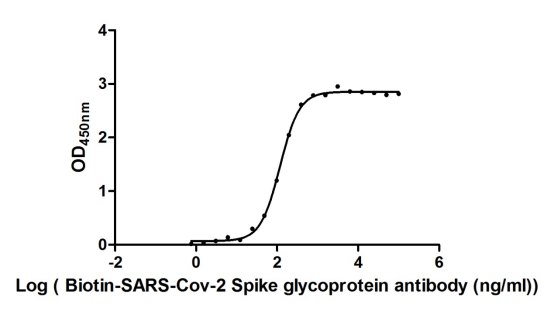
Recombinant Severe acute respiratory syndrome coronavirus 2 Spike glycoprotein (S), partial (Active)
Express system: Mammalian cell
Species: Severe acute respiratory syndrome coronavirus 2 (2019-nCoV) (SARS-CoV-2)
-
-AC1.jpg)
Recombinant Human Glypican-3 (GPC3) (G537R), partial (Active)
Express system: Mammalian cell
Species: Homo sapiens (Human)
-
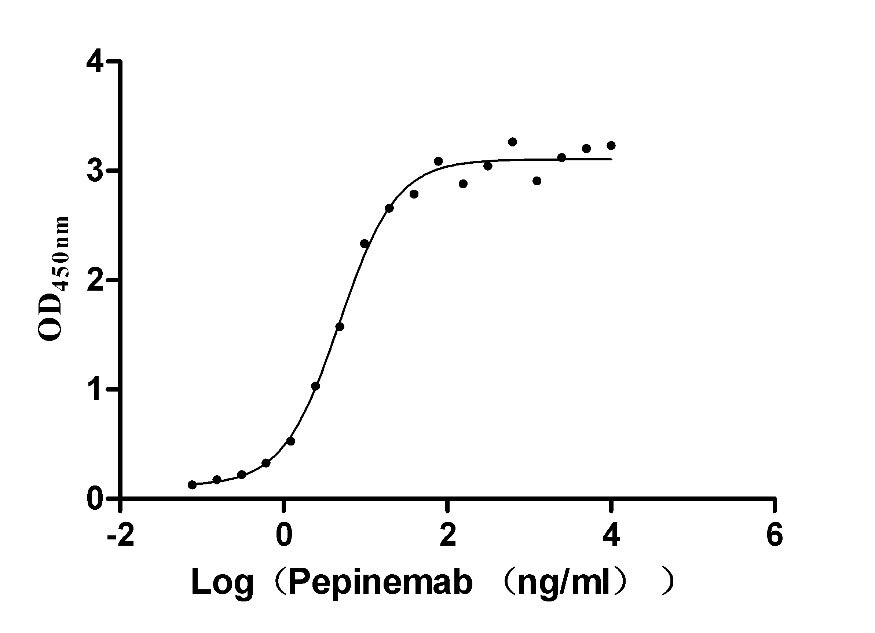
Recombinant Human Semaphorin-4D (SEMA4D), partial (Active)
Express system: Mammalian cell
Species: Homo sapiens (Human)
-
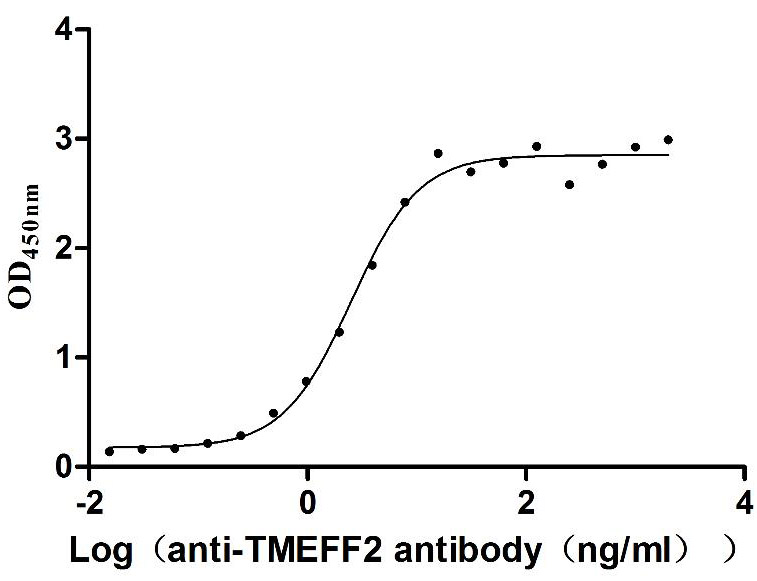
Recombinant Human Tomoregulin-2 (TMEFF2), partial (Active)
Express system: Mammalian cell
Species: Homo sapiens (Human)
-

Recombinant Human Alkaline phosphatase, germ cell type (ALPG) (Active)
Express system: Mammalian cell
Species: Homo sapiens (Human)
-
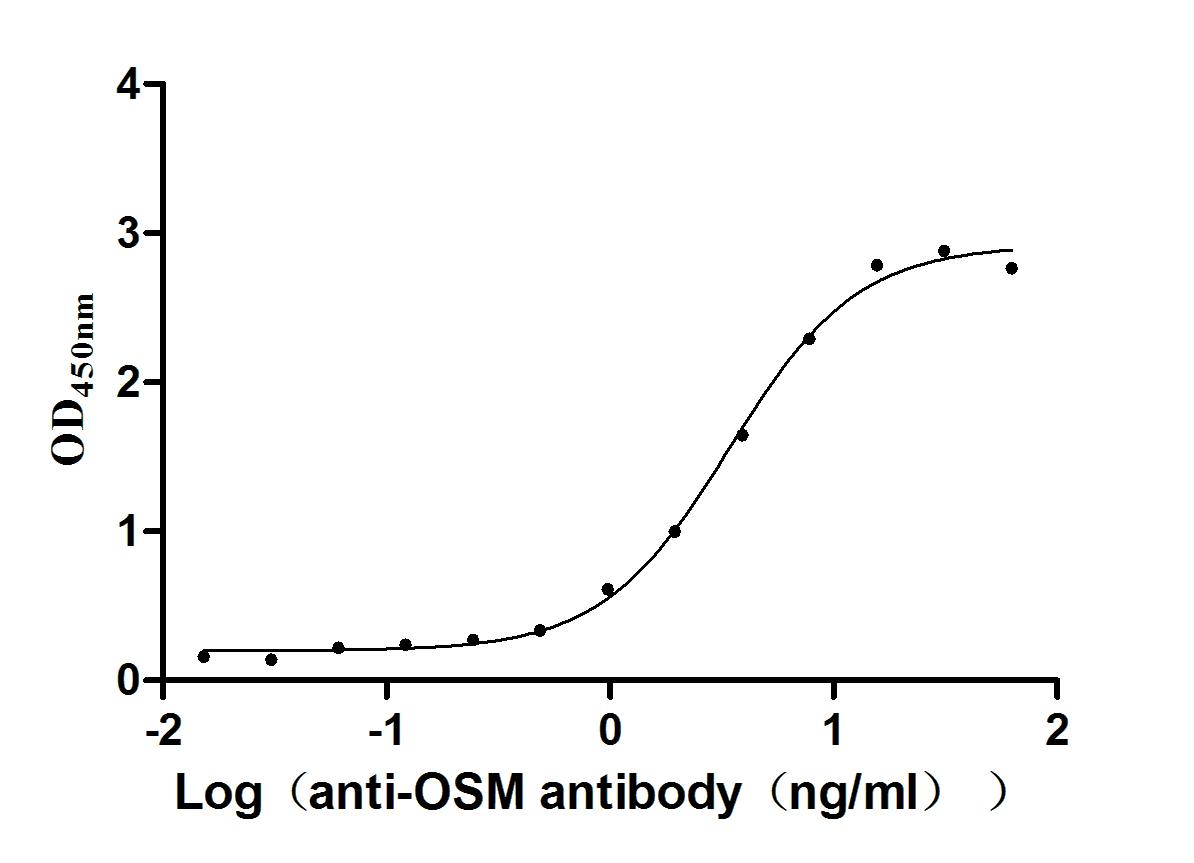
Recombinant Human Oncostatin-M (OSM), partial (Active)
Express system: Mammalian cell
Species: Homo sapiens (Human)
-
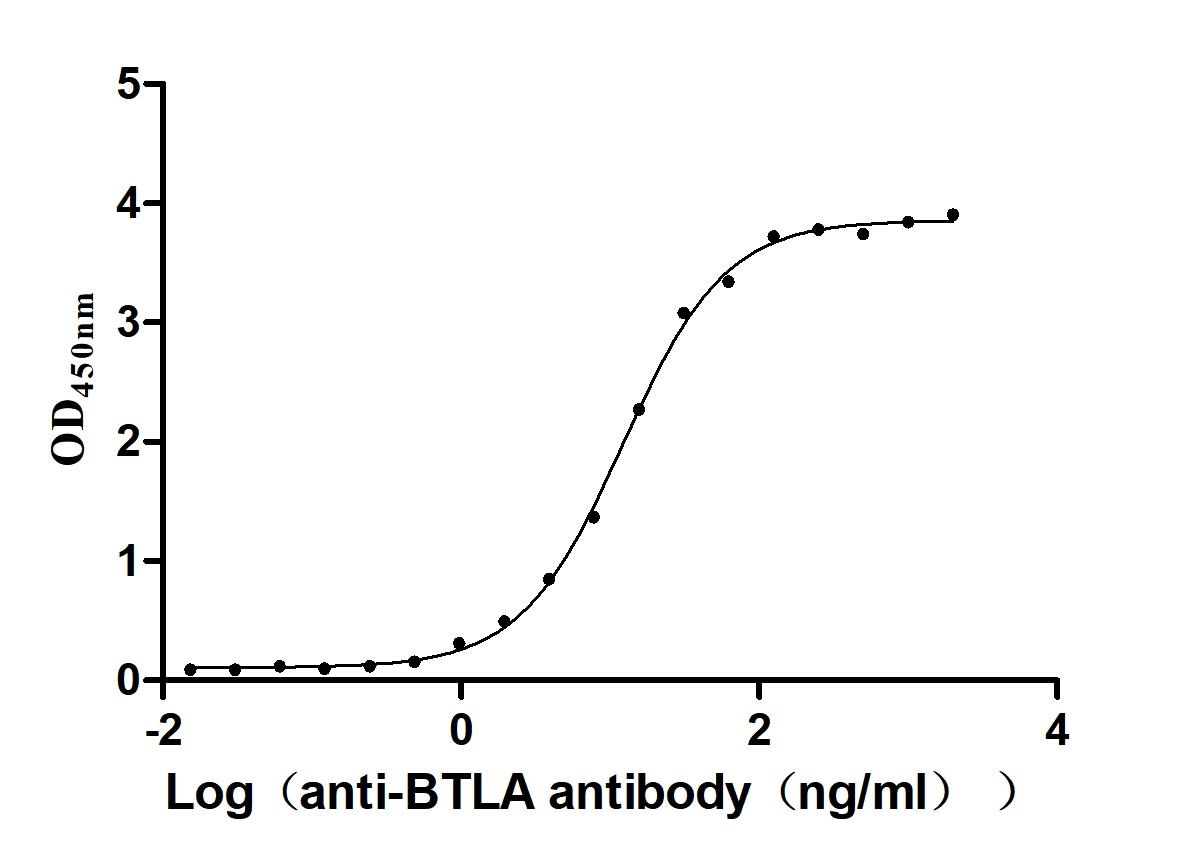
Recombinant Human B- and T-lymphocyte attenuator(BTLA), partial (Active)
Express system: Mammalian cell
Species: Homo sapiens (Human)
-
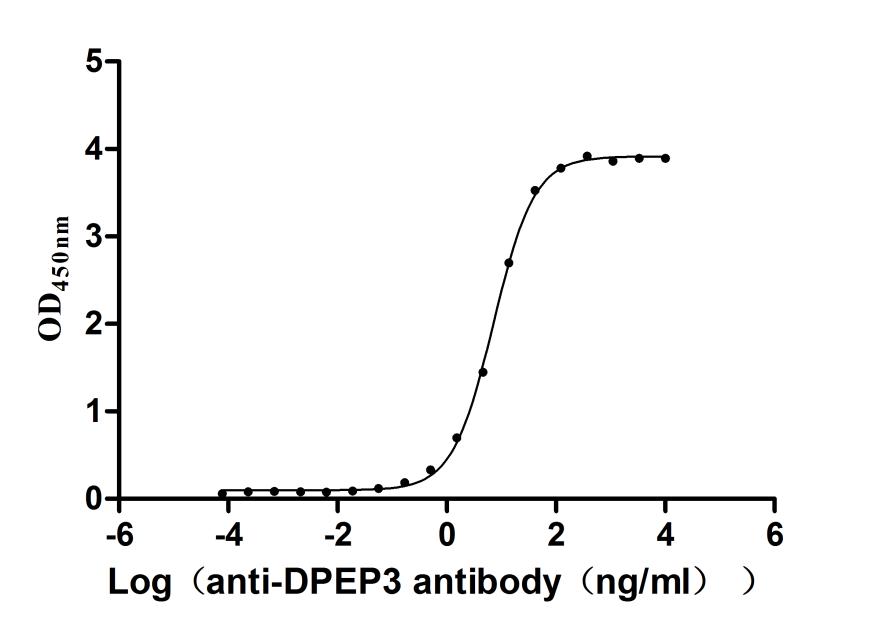
Recombinant Human Dipeptidase 3(DPEP3), partial (Active)
Express system: Mammalian cell
Species: Homo sapiens (Human)