Recombinant Mouse Galectin-1 (Lgals1)
-
中文名稱:小鼠Lgals1重組蛋白
-
貨號(hào):CSB-YP012882MO
-
規(guī)格:
-
來(lái)源:Yeast
-
其他:
-
中文名稱:小鼠Lgals1重組蛋白
-
貨號(hào):CSB-EP012882MO-B
-
規(guī)格:
-
來(lái)源:E.coli
-
共軛:Avi-tag Biotinylated
E. coli biotin ligase (BirA) is highly specific in covalently attaching biotin to the 15 amino acid AviTag peptide. This recombinant protein was biotinylated in vivo by AviTag-BirA technology, which method is BriA catalyzes amide linkage between the biotin and the specific lysine of the AviTag.
-
其他:
-
中文名稱:小鼠Lgals1重組蛋白
-
貨號(hào):CSB-BP012882MO
-
規(guī)格:
-
來(lái)源:Baculovirus
-
其他:
-
中文名稱:小鼠Lgals1重組蛋白
-
貨號(hào):CSB-MP012882MO
-
規(guī)格:
-
來(lái)源:Mammalian cell
-
其他:
產(chǎn)品詳情
-
純度:>85% (SDS-PAGE)
-
基因名:
-
Uniprot No.:
-
別名:Lgals1; Gbp; Galectin-1; Gal-1; 14 kDa lectin; Beta-galactoside-binding lectin L-14-I; Galaptin; Lactose-binding lectin 1; Lectin galactoside-binding soluble 1; S-Lac lectin 1
-
種屬:Mus musculus (Mouse)
-
蛋白長(zhǎng)度:Full Length of Mature Protein
-
表達(dá)區(qū)域:2-135
-
氨基酸序列ACGLVASNL NLKPGECLKV RGEVASDAKS FVLNLGKDSN NLCLHFNPRF NAHGDANTIV CNTKEDGTWG TEHREPAFPF QPGSITEVCI TFDQADLTIK LPDGHEFKFP NRLNMEAINY MAADGDFKIK CVAFE
-
蛋白標(biāo)簽:Tag?type?will?be?determined?during?the?manufacturing?process.
The tag type will be determined during production process. If you have specified tag type, please tell us and we will develop the specified tag preferentially. -
產(chǎn)品提供形式:Lyophilized powder
Note: We will preferentially ship the format that we have in stock, however, if you have any special requirement for the format, please remark your requirement when placing the order, we will prepare according to your demand. -
復(fù)溶:We recommend that this vial be briefly centrifuged prior to opening to bring the contents to the bottom. Please reconstitute protein in deionized sterile water to a concentration of 0.1-1.0 mg/mL.We recommend to add 5-50% of glycerol (final concentration) and aliquot for long-term storage at -20℃/-80℃. Our default final concentration of glycerol is 50%. Customers could use it as reference.
-
儲(chǔ)存條件:Store at -20°C/-80°C upon receipt, aliquoting is necessary for mutiple use. Avoid repeated freeze-thaw cycles.
-
保質(zhì)期:The shelf life is related to many factors, storage state, buffer ingredients, storage temperature and the stability of the protein itself.
Generally, the shelf life of liquid form is 6 months at -20°C/-80°C. The shelf life of lyophilized form is 12 months at -20°C/-80°C. -
貨期:Delivery time may differ from different purchasing way or location, please kindly consult your local distributors for specific delivery time.Note: All of our proteins are default shipped with normal blue ice packs, if you request to ship with dry ice, please communicate with us in advance and extra fees will be charged.
-
注意事項(xiàng):Repeated freezing and thawing is not recommended. Store working aliquots at 4°C for up to one week.
-
Datasheet :Please contact us to get it.
產(chǎn)品評(píng)價(jià)

相關(guān)產(chǎn)品
靶點(diǎn)詳情
-
功能:Lectin that binds beta-galactoside and a wide array of complex carbohydrates. Plays a role in regulating apoptosis, cell proliferation and cell differentiation. Inhibits CD45 protein phosphatase activity and therefore the dephosphorylation of Lyn kinase. Strong inducer of T-cell apoptosis.
-
基因功能參考文獻(xiàn):
- Overexpression of galectin-1 inhibited the proliferation of T-cells by means of HSC activation, which reduced the inflammatory response by exerting immunosuppressive effects and furthermore enhanced immune tolerance and alleviated hepatic fibrosis in liver transplantation. PMID: 30032146
- Gal-1 is a major driver of pancreatic cancer progression. Genetic deletion of Gal1 in a Kras-driven mouse model of pancreatic ductal adenocarcinoma results in a significant increase in survival through mechanisms involving decreased stroma activation, attenuated vascularization, and enhanced T cell infiltration leading to diminished metastasis rates. PMID: 29615514
- This work identified Gal1, an endogenous immune regulatory lectin, as an integral component of the secretory granule machinery and unveil the unexpected function of this lectin in regulating CTL killing activity. PMID: 29215607
- The results of this study showed that development of spinal axons as well as the locomotor abilities observed in adult mice are independent of Gal-1. PMID: 28512739
- GAL-1 also enhanced the generation of neural crest cells from explanted neural tubes PMID: 28695960
- this present study indicated that Gal-1 secreted from MSCs upregulated expression of Gal-1 and stimulated formation of tolerance immunophenotype on DCs, where the underlying mechanism was the regulation of the MAPK signaling pathway in DCs, thereby inhibiting the function of DCs PMID: 28713822
- markedly increased brain Gal-1 and S-nitrosylated Gal-1 both in scrapie-infected rodents and human prion diseases. PMID: 27211330
- Gal-1 can limit eosinophil recruitment to allergic airways and suppresses airway inflammation by inhibiting cell migration and promoting eosinophil apoptosis. PMID: 27457925
- Gal1 protein is essential for efficient liver regeneration following partial hepatectomy through the regulation of liver inflammation, hepatic cell proliferation, and the control of lipid storage in the regenerating liver. PMID: 27166189
- findings show that galectin-1 (Gal-1), an immunoregulatory lectin widely expressed in mucosal tissues, contributes to Y. enterocolitica pathogenicity by undermining protective antibacterial responses. PMID: 28716827
- Gal-1 functions as an important regulator in RNV and offers a promising strategy for the treatment of RNV diseases, such as proliferative diabetic retinopathy and retinopathy of prematurity. PMID: 28257831
- These findings demonstrate that galectin-1 is required for i.v. tolerance induction, likely via induction of tolerogenic DCs leading to enhanced development of Tr1 cells, Treg cells, and downregulation of proinflammatory responses. PMID: 27151444
- this study shows that galectin-1 secreted by Sertoli cells plays a pivotal role in the differentiation of functionally tolerogenic dendritic cells PMID: 26878424
- analysis of the effect of low-temperature plasma on the expression of galectin-1, -2, and -3 in the healing skin compared with those of electrocoagulation conducted with a high-frequency electrical coagulator PMID: 26827730
- Gal-1 does not play a role in the systemic immunosuppressive effect of Mesenchymal stem cells. PMID: 26857229
- Galectin-1 has a role in driving lymphoma CD20 immunotherapy resistance in a mouse model PMID: 26888257
- These findings highlight the importance of the inflammatory micro-environment of mucosal tissues in modulating intestinal epithelial cells susceptibility to the immunoregulatory lectin Gal-1 and its role in epithelial cell homeostasis. PMID: 26566180
- results unveil a dual role of endogenous versus exogenous Gal-1 in the control of autoimmune testis inflammation. PMID: 26223819
- Comparative transcriptome analyses identified Galectins 1 and 3 not only as markers in the lesioned adult cerebral cortex, but also as regulators of the proliferating and neurosphere-forming capacity of a subset of reactive astrocytes PMID: 26250529
- GAL-1 is valuable biomarker of surgical stress after cardiac surgery. PMID: 26261609
- The authors found that exposure of HL-1 cardiac cells to Gal-1 reduced the percentage of infection by two different Trypanosoma cruzi strains, Tulahuen (TcVI) and Brazil (TcI). PMID: 26451839
- GAL1/pre-B-cell receptor interaction modifies GAL1/glycan affinity and particularly inhibits binding to LacNAc containing epitopes PMID: 25708191
- Data indicate the relevance of the galectin-1 (Gal-1)-glycan axis in sperm function with implications in mammalian reproductive biology. PMID: 26136479
- Galectin-1 accumulates in neurofilamentous lesions in SOD1(G93A) mice, as previously reported in humans with amyotrophic lateral sclerosis ( PMID: 24707896
- it is shown that CRH and UCN upregulate galectin-1 expression in Ishikawa cell line and macrophages and this effect is mediated through CRHR1. PMID: 25473847
- investigated the Citrobacter rodentium model of colonic infection and inflammation in Galectin-1 or Galectin-3 null mice PMID: 25243744
- These findings define a novel role for galectin-1 in inhibiting tissue emigration of immunogenic, but not tolerogenic, dendritic cells, providing an additional mechanism by which galectin-1 can dampen immune responses. PMID: 26216879
- These results suggested a novel role of inGal-1 in T-cells as a regulator of T-cell response to exGal-1, and its likely contribution to the mechanism in T-cell apoptosis deficiency in lupus. PMID: 25468561
- These findings indicate that galectin-1 is a key regulator of wound repair that has therapeutic potential for pathological or imperfect wound healing. PMID: 25007042
- Our results show that Gal-1, mainly in its dimeric form, promotes functional recovery of spinal lesions by interfering with inhibitory signals triggered by Sema3A binding to NRP-1/PlexinA4 complex. PMID: 24561343
- These results underline the essential role of Gal-1 during endometriosis PMID: 24979200
- Data show that plasma Galectin-1(GAL-1) level is significantly raised as early as 4 hours following myocardial infarction (MI). PMID: 24498007
- Genetic ablation of Gal1 in a mouse model of pancreatic ductal adenocarcinoma dampened tumor progression by inhibiting proliferation, angiogenesis, desmoplasic reaction and by stimulating a tumor-associated immune response. PMID: 24812270
- results indicate gal-1 is expressed in interneurons in the hippocampus that also express beta-tubulin III; findings suggest interneurons, which extend axons to form synapses, secrete gal-1 during neuronal pathfinding in the hippocampus PMID: 24323124
- Galectin-1 could be an essential mediator in the control of macrophage function during the resolution of inflammation. PMID: 23954858
- results strengthen the notion that Gal-1 is required for healthy gestation and highlight Gal-1 as a valuable biomarker for early PE diagnosis PMID: 23798433
- Absence of endogenous Gal-1 results in an exacerbation of disease, in terms of both incidence and clinical severity. PMID: 23720814
- Loss of Galectin-1 is associated with liver allograft rejection. PMID: 23356407
- Galectin-1 controls cardiac inflammation and ventricular remodeling during acute myocardial infarction. PMID: 23142379
- Endogenous expression of galectin-1 contributes to skin graft survival in the mouse. PMID: 22865279
- These findings provide insights on the selective proapoptotic role of Gal-1 for a subpopulation of GABAergic interneurons PMID: 23115194
- galectin-1 is one of the critical factors in MSCs regulating tumor progression PMID: 22844466
- Galectin-1 is a pivotal regulator of M1 microglial activation that targets the activation of p38MAPK-, CREB-, and NF-kB-dependent signaling pathways and hierarchically suppresses downstream proinflammatory mediators, such as iNOS, TNF, and CCL2. PMID: 22884314
- It was shown that the highly expressed galectin 1 in aggressive melanoma actively participates in metastasis. A role was shown for galectin 1 in the senescence of lung microvascular endothelial cells at the metastatic site. PMID: 22622427
- galectin-1 inhibition reduces murine lung metastasis with increased CD4(+) and CD8 (+) T cells and reduced cancer cell adherence PMID: 22484915
- gal-1 treatment represents a useful approach to control lesion severity in a virally induced immunopathological disease. PMID: 22467659
- Gal-1 stimulated naive T cells, but had an antiproliferative effect when these cells were activated. When 2 Gal-1 molecules were covalently fused, the chimeric protein promoted proliferation suggesting that a tandem-repeat structure is required. PMID: 22357632
- expression correlates with tumor growth rate, metastatic capacity and response to cyclophosphamide in T-cell lymphoma models PMID: 21947259
- Lung cancer-derived galectin-1 enhances tumorigenic potentiation of tumor-associated dendritic cells by expressing heparin-binding EGF-like growth factor. PMID: 22291012
- Have identified galectin-1 and galectin-3 as novel partners for VWF, and these proteins may modulate VWF-mediated thrombus formation. PMID: 22267483
顯示更多
收起更多
-
亞細(xì)胞定位:Secreted, extracellular space, extracellular matrix. Cytoplasm. Secreted.
-
數(shù)據(jù)庫(kù)鏈接:
Most popular with customers
-
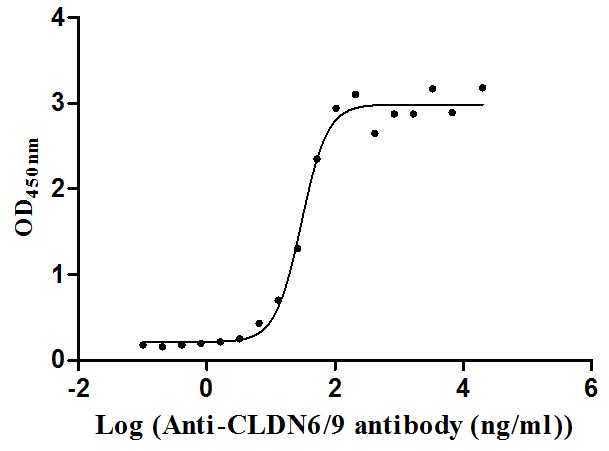
Recombinant Human Claudin-9 (CLDN9)-VLPs (Active)
Express system: Mammalian cell
Species: Homo sapiens (Human)
-

Recombinant Human Alkaline phosphatase, germ cell type (ALPG) (Active)
Express system: Mammalian cell
Species: Homo sapiens (Human)
-
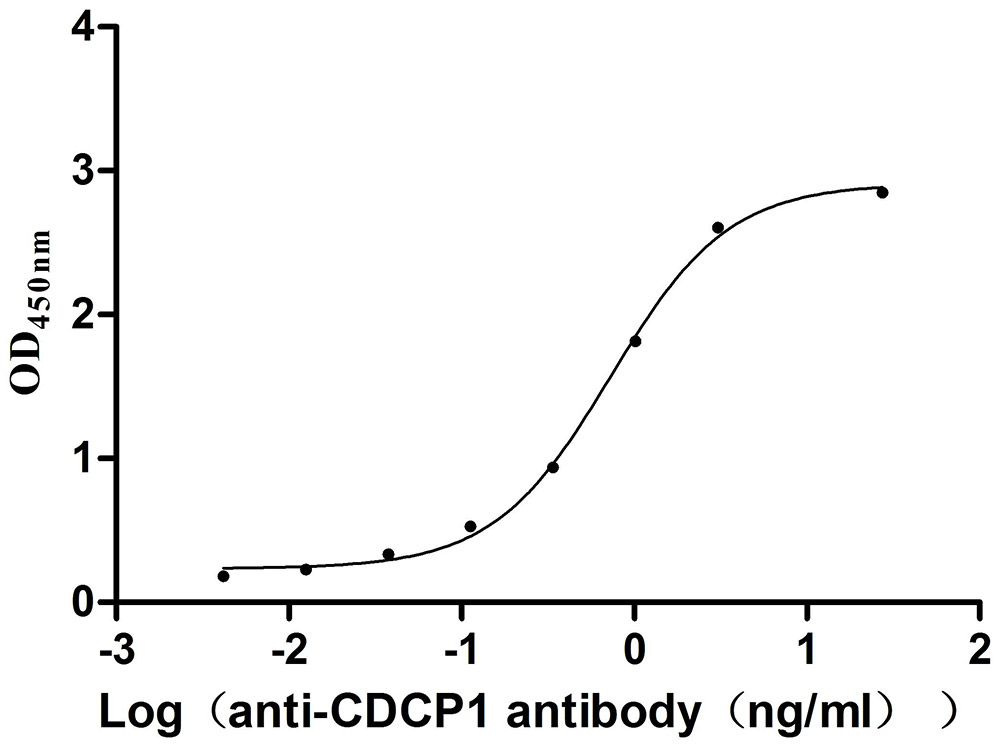
Recombinant Mouse CUB domain-containing protein 1 (Cdcp1), partial (Active)
Express system: Mammalian cell
Species: Mus musculus (Mouse)
-
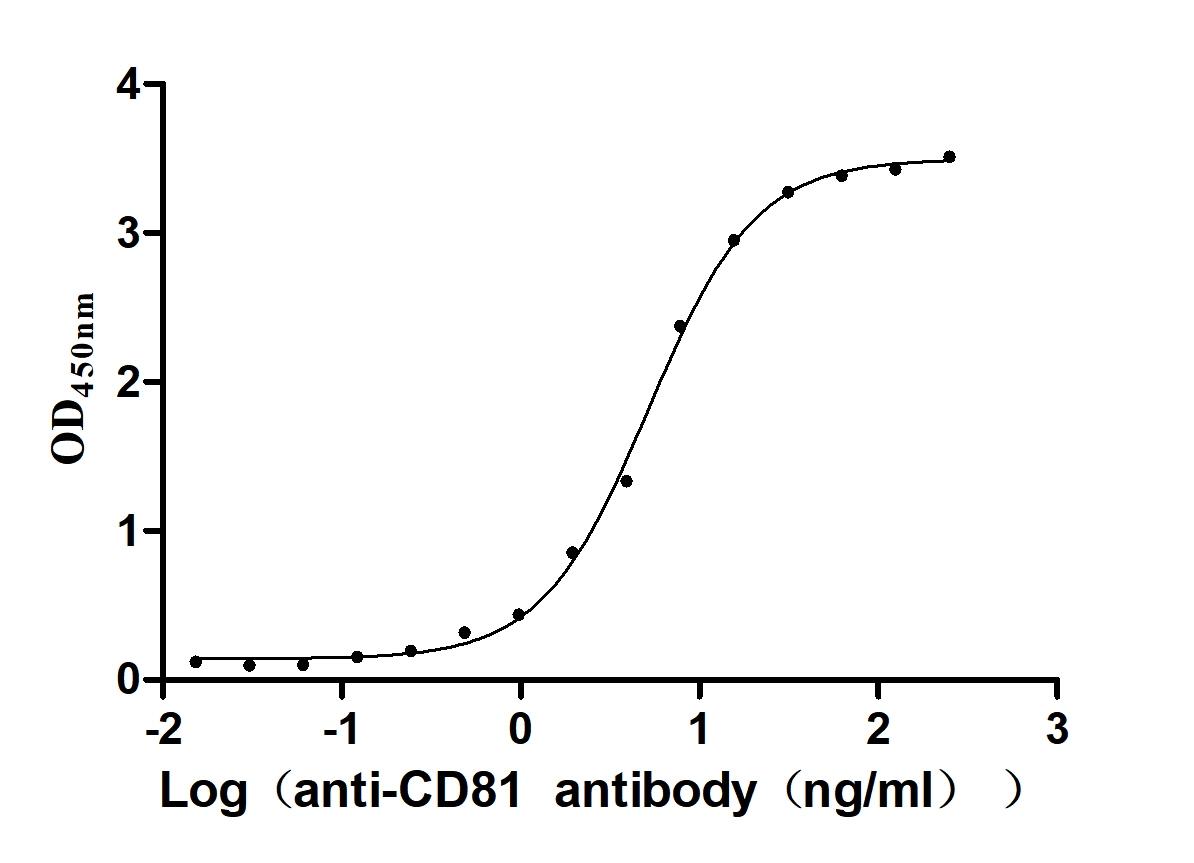
Recombinant Human CD81 antigen (CD81), partial (Active)
Express system: Mammalian cell
Species: Homo sapiens (Human)
-
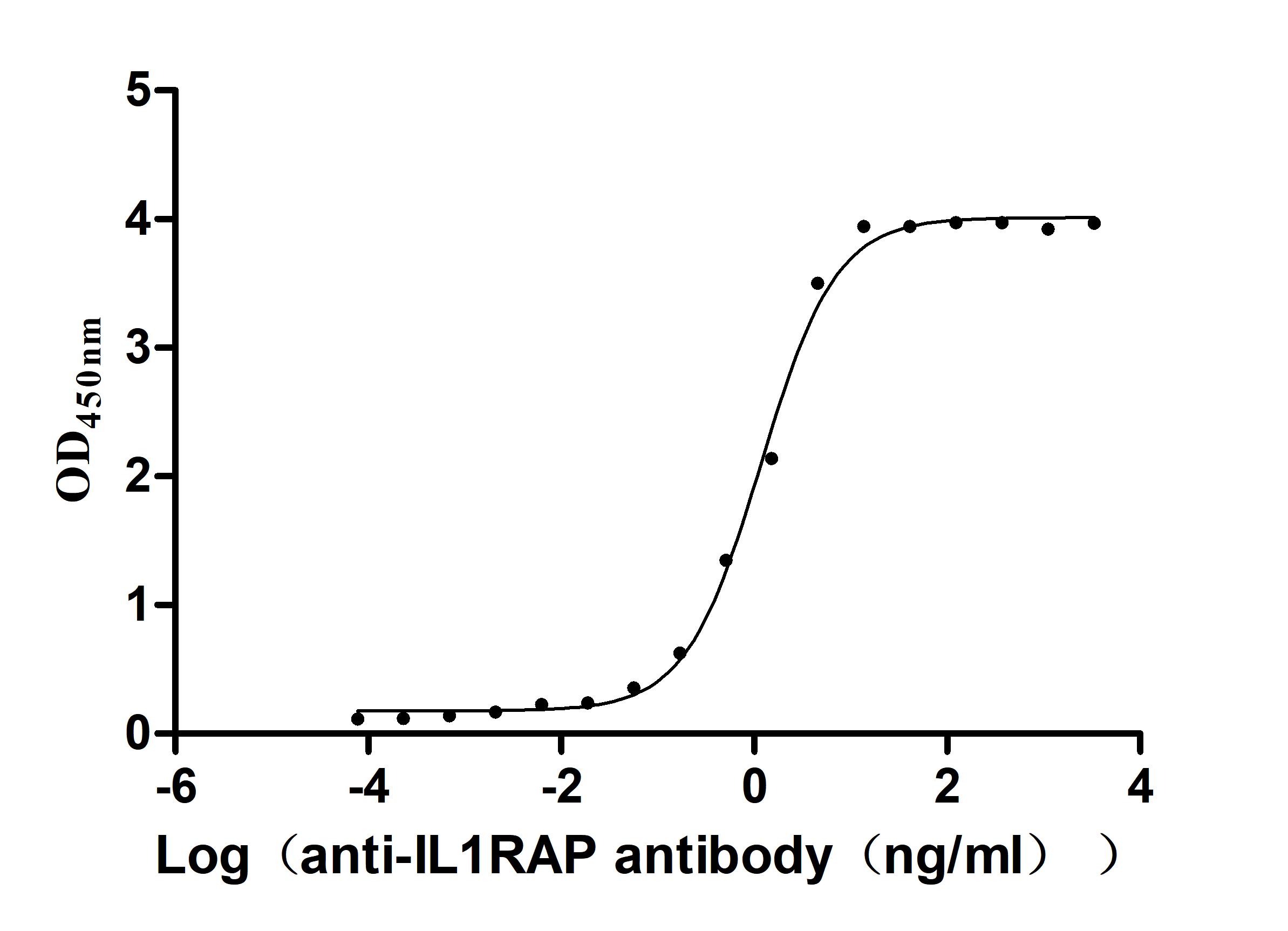
Recombinant Human Interleukin-1 receptor accessory protein (IL1RAP), partial (Active)
Express system: Mammalian cell
Species: Homo sapiens (Human)