Recombinant Mouse Caveolin-3 (Cav3)
-
中文名稱(chēng):Recombinant Mouse Caveolin-3(Cav3)
-
貨號(hào):CSB-YP004573MO
-
規(guī)格:
-
來(lái)源:Yeast
-
其他:
-
中文名稱(chēng):Recombinant Mouse Caveolin-3(Cav3)
-
貨號(hào):CSB-EP004573MO
-
規(guī)格:
-
來(lái)源:E.coli
-
其他:
-
中文名稱(chēng):Recombinant Mouse Caveolin-3(Cav3)
-
貨號(hào):CSB-EP004573MO-B
-
規(guī)格:
-
來(lái)源:E.coli
-
共軛:Avi-tag Biotinylated
E. coli biotin ligase (BirA) is highly specific in covalently attaching biotin to the 15 amino acid AviTag peptide. This recombinant protein was biotinylated in vivo by AviTag-BirA technology, which method is BriA catalyzes amide linkage between the biotin and the specific lysine of the AviTag.
-
其他:
-
中文名稱(chēng):Recombinant Mouse Caveolin-3(Cav3)
-
貨號(hào):CSB-BP004573MO
-
規(guī)格:
-
來(lái)源:Baculovirus
-
其他:
產(chǎn)品詳情
-
純度:>85% (SDS-PAGE)
-
基因名:
-
Uniprot No.:
-
別名:Cav3Caveolin-3; M-caveolin
-
種屬:Mus musculus (Mouse)
-
蛋白長(zhǎng)度:Full length protein
-
表達(dá)區(qū)域:1-151
-
氨基酸序列MMTEEHTDLE ARIIKDIHCK EIDLVNRDPK NINEDIVKVD FEDVIAEPEG TYSFDGVWKV SFTTFTVSKY WCYRLLSTLL GVPLALLWGF LFACISFCHI WAVVPCIKSY LIEIQCISHI YSLCIRTFCN PLFAALGQVC SNIKVVLRRE G
-
蛋白標(biāo)簽:Tag?type?will?be?determined?during?the?manufacturing?process.
The tag type will be determined during production process. If you have specified tag type, please tell us and we will develop the specified tag preferentially. -
產(chǎn)品提供形式:Lyophilized powder
Note: We will preferentially ship the format that we have in stock, however, if you have any special requirement for the format, please remark your requirement when placing the order, we will prepare according to your demand. -
復(fù)溶:We recommend that this vial be briefly centrifuged prior to opening to bring the contents to the bottom. Please reconstitute protein in deionized sterile water to a concentration of 0.1-1.0 mg/mL.We recommend to add 5-50% of glycerol (final concentration) and aliquot for long-term storage at -20℃/-80℃. Our default final concentration of glycerol is 50%. Customers could use it as reference.
-
儲(chǔ)存條件:Store at -20°C/-80°C upon receipt, aliquoting is necessary for mutiple use. Avoid repeated freeze-thaw cycles.
-
保質(zhì)期:The shelf life is related to many factors, storage state, buffer ingredients, storage temperature and the stability of the protein itself.
Generally, the shelf life of liquid form is 6 months at -20°C/-80°C. The shelf life of lyophilized form is 12 months at -20°C/-80°C. -
貨期:Delivery time may differ from different purchasing way or location, please kindly consult your local distributors for specific delivery time.Note: All of our proteins are default shipped with normal blue ice packs, if you request to ship with dry ice, please communicate with us in advance and extra fees will be charged.
-
注意事項(xiàng):Repeated freezing and thawing is not recommended. Store working aliquots at 4°C for up to one week.
-
Datasheet :Please contact us to get it.
產(chǎn)品評(píng)價(jià)

相關(guān)產(chǎn)品
靶點(diǎn)詳情
-
功能:May act as a scaffolding protein within caveolar membranes. Interacts directly with G-protein alpha subunits and can functionally regulate their activity. May also regulate voltage-gated potassium channels. Plays a role in the sarcolemma repair mechanism of both skeletal muscle and cardiomyocytes that permits rapid resealing of membranes disrupted by mechanical stress. Mediates the recruitment of CAVIN2 and CAVIN3 proteins to the caveolae.
-
基因功能參考文獻(xiàn):
- Pathogenic p.P104 mutation causes endoplasmic reticulum stress, impairs protein processing, ECM remodeling and sarcolemmal integrity. PMID: 30153853
- Cav-3 and Smad3 may be involved in the occurrence and development of viral myocarditis. PMID: 28770956
- CAV3 protein has a physiological role in glycometabolism, growth and proliferation, independent of insulin stimulation PMID: 29206848
- The Cav3 P104L mutation of limb girdle muscular dystrophy-1C leads to disordered glucose metabolism in muscle cells. PMID: 28232187
- Cav-3 overexpressing mice have changes in ECG intervals, heart rates, and cardiac ion channel expression PMID: 27023865
- Loss of CAV3 interferes with downstream insulin signaling and lipid uptake and increases susceptibility to palmitate-induced insulin resistance. PMID: 27033451
- eNOS, caveolin-3, and connexin-43 were detected in subsarcolemmal mitochondria PMID: 25694588
- Data show increased expression of T-type Ca(2+) current and association of protein kinase C alpha (PKCalpha) with caveolin-3 (Cav-3)was disrupted in the hypertrophic ventricular myocyte. PMID: 26170457
- Cardioprotection in myocardial infarction is abolished in caveolin-3 knockout mice. PMID: 25912591
- The lithogenic diet was associated with significantly lower CAV3 in the liver and lower CAV3 and CCKAR in the gallbladder compared with the control mice. PMID: 25071346
- Cav-3 may be a novel participant in B-cell expression, T-cell cytokine production and activation of inflammation PMID: 25476831
- Cav3 protein can modify integrin function and mechanotransduction in the cardiomyocyte and intact heart PMID: 25366344
- Deinactivation of Cav3 channels increases T-type Ca(2+) influx and increases feedback inhibition in olfactory bulb. PMID: 25319700
- Data reveal the membrane cholesterol dependence of normoxic myocardial and coronary function, I/R tolerance, and morphine-mediated cardioprotection in murine hearts (all declining with cholesterol depletion). PMID: 25063791
- Cav-3 has a pivotal role in defending cardiomyocytes against the TNF pro-apoptotic action and alpha-linoleic acid has the capacity to regulate this mechanism preventing cardiac degenerative diseases. PMID: 24042018
- the distribution of ryanodine receptors (RyRs) and caveolin-3 (CAV3) in mouse ventricular myocytes PMID: 23746531
- Palmitate diet-induced loss of cardiac caveolin-3 constitutes a novel mechanism for lipid-induced contractile dysfunction. PMID: 23585895
- hyperglycemia-induced PKCbeta2 activation requires caveolae and is associated with reduced Cav-3 expression in the diabetic heart. PMID: 23474486
- Data suggest caveolin-1 (but not caveolin 3) is down-regulated in plasma membrane/caveolae/mitochondria in myocardium in acute ischemia-reperfusion injury. PMID: 23403888
- Inhibition of MSTN activity by overexpression of cav-3 induces an activation of protein synthesis rather than an inhibition of proteolysis. PMID: 22791505
- We show that a TbetaRI kinase inhibitor, Ki26894, restores impaired myoblast differentiation in vitro caused by activin, myostatin, and TGF-beta1, as well as CAV3(P104L). PMID: 22584670
- Cav-3 plays an essential role in adiponectin transmembrane signaling and APN anti-ischemic/cardioprotective actions. PMID: 22328772
- Findings suggest that the ER stress response caused by mCav3(P104L) plays a role in the pathogenesis of LGMD1C as a toxic gain of function effect. PMID: 21610159
- PKCdelta signaling is required for myoblast fusion by regulating the expression of caveolin-3 and beta1D integrin upstream focal adhesion kinase. PMID: 21346196
- Data indicate that Cav-3 increases caveolae formation and induces a "protective phenotype" that is characterized by increaed natriuretic peptide expression and decreased cardiac hypertrophy. PMID: 21616289
- both groups of preassembled proteins are maintained in close proximity by caveolin-3, the K(V)4.2/K(V)4.3 channel supramolecular complex, and alpha1-AR, Galphas and adenylate cyclase gather in a second group PMID: 20224290
- Depletion of Cav3 induced by delivery of the dominant-negative Cav3 (P104L) form impairs myoblast differentiation via Akt and p38 signalling networks, leading to an immature cell and molecular signature. PMID: 21182936
- functional modulation of the Ca(v)3.2 channels by Cav-3 is important for understanding the compartmentalized regulation of Ca(2+) signaling during normal and pathological processes. PMID: 21084288
- Opioid-induced preconditioning is dependent on Cav-3 expression and endogenous protection in Cav-3 overexpressing mice is opioid dependent. PMID: 20736437
- caveolin 3-containing membrane domains and the calcium release complex are functionally linked and Trisk 95 and Trisk 51 are instrumental to the regulation of this interaction, the integrity of which may be crucial for muscle physiology. PMID: 20565104
- Delayed delayed anesthetic preconditioning induced by isoflurane cannot be elicited in caveolin-3-deficient mice, indicating that the presence of caveolae (dependent on caveolin-3 expression) is a prerequisite for delayed protection in the myocardium. PMID: 20418694
- These data identify caveolin-3 as a critical component of the signaling machinery that drives nicotinic acetylcholine receptor clustering and controls neuromuscular junction function. PMID: 19940021
- GPI-linked proteins were retained intracellularly in tissue samples derived from Cav-1 null mice (i.e., lung endothelial and renal epithelial cells) and Cav-3 null mice (skeletal muscle fibers). PMID: 11997523
- Data suggest that loss of Cav-3 expression is sufficient to induce a molecular program leading to cardiac myocyte hypertrophy and cardiomyopathy. PMID: 12138167
- Overexpression of caveolin-3 is sufficient to induce severe cardiomyopathy. PMID: 12966035
- caveolin-3 is a key player in myoblast fusion PMID: 14517320
- caveolin-3 mutations associated with limb girdle muscular dystrophy type 1C disrupt normal cellular signal transduction pathways PMID: 14600260
- Recombinant expression of caveolin-3 affects subcellular localization of PFK-M, by targeting PFK-M to plasma membrane and by trans-locating PFK-M to caveolae-enriched membrane domains. Strictly dependent on the concentration of extracellular glucose. PMID: 14633633
- loss of caveolin-3 associated with a moderate increase in eNOS activity results in hypertrophic cardiomyopathy PMID: 14645200
- the importance of dysferlin-caveolin 3 relationship for skeletal muscle integrity PMID: 14749532
- Data suggest that caveolin 3 is an enhancer of insulin signaling in skeletal muscles but does not act as a scaffolding molecule for insulin receptors. PMID: 15314230
- Our results demonstrate the importance of Cav-3 in regulating whole body glucose homeostasis in vivo and its possible role in the development of insulin resistance. PMID: 15689413
- Caveolins are essential for dysferlin association with the plasma membrane. PMID: 16319126
- Flotillin-1 and caveolin-3 may regulate muscle energy metabolism through the spatial and temporal segregation of key components of the insulin signaling, including GLUT4 transport. PMID: 16455755
- caveolin-3 was present only in smooth muscles of some specific tissues PMID: 16609918
- These findings indicate that normal expression and localization of caveolin-3 are required to appropriately co-ordinate PI(3) kinase/Akt-mediated cell survival signaling. PMID: 16814768
- Intermediate filament protein desmin and caveolin-3 associate with each other in myogenic cells. PMID: 17036228
- caveolin-3 normally suppresses the myostatin-mediated signal PMID: 17039257
- Overexpression of CAR may lead to physiological dysfunction by interfering with normal signaling (through alterations in caveolin-3 and neuronal nitric-oxide synthase levels). PMID: 17148677
- caveolin-3 levels are downregulated by nitric oxide through the interaction with myogenin, the transcription factor for caveolin-3 PMID: 17519233
顯示更多
收起更多
-
亞細(xì)胞定位:Golgi apparatus membrane; Peripheral membrane protein. Cell membrane; Peripheral membrane protein. Membrane, caveola; Peripheral membrane protein. Cell membrane, sarcolemma.
-
蛋白家族:Caveolin family
-
組織特異性:Expressed predominantly in muscle.
-
數(shù)據(jù)庫(kù)鏈接:
Most popular with customers
-
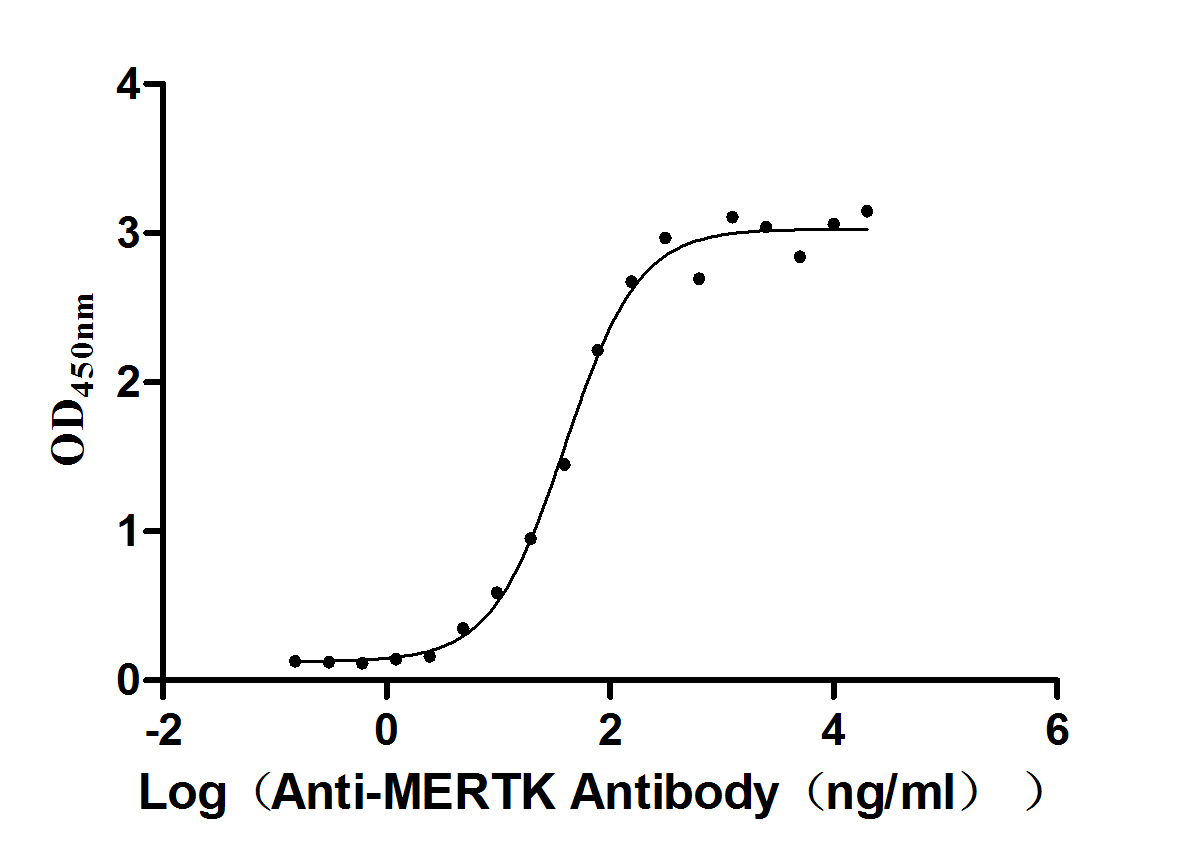
Recombinant Human Tyrosine-protein kinase Mer (MERTK), partial (Active)
Express system: Mammalian cell
Species: Homo sapiens (Human)
-
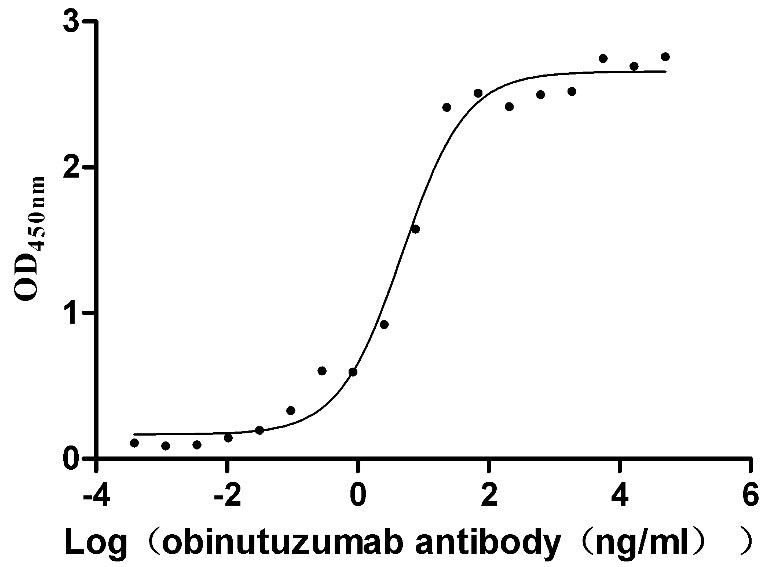
Recombinant Human B-lymphocyte antigen CD20 (MS4A1)-VLPs (Active)
Express system: Mammalian cell
Species: Homo sapiens (Human)
-

Recombinant Rat Intestinal-type alkaline phosphatase 1 (Alpi) (Active)
Express system: Mammalian cell
Species: Rattus norvegicus (Rat)
-
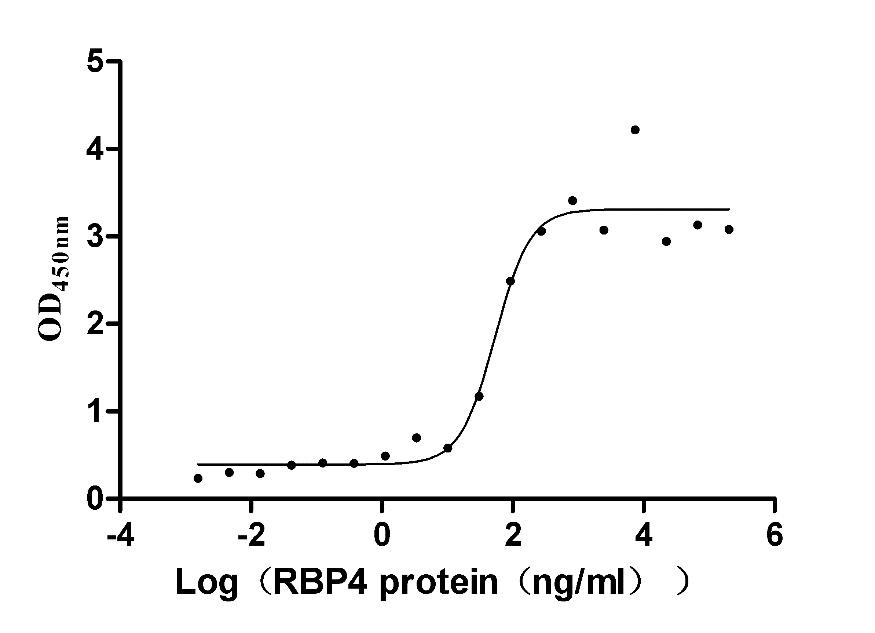
Recombinant Mouse Retinol-binding protein 4 (Rbp4) (Active)
Express system: Mammalian cell
Species: Mus musculus (Mouse)
-
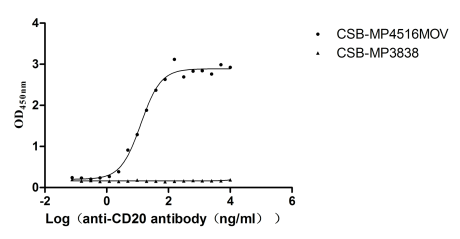
Recombinant Macaca fascicularis Membrane spanning 4-domains A1 (MS4A1)-VLPs (Active)
Express system: Mammalian cell
Species: Macaca fascicularis (Crab-eating macaque) (Cynomolgus monkey)
-
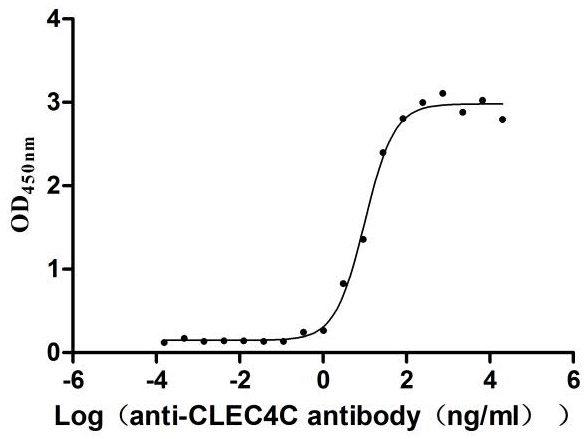
Recombinant Human C-type lectin domain family 4 member C (CLEC4C), partial (Active)
Express system: Mammalian cell
Species: Homo sapiens (Human)
-

Recombinant Human CUB domain-containing protein 1 (CDCP1), partial (Active)
Express system: Mammalian cell
Species: Homo sapiens (Human)
-
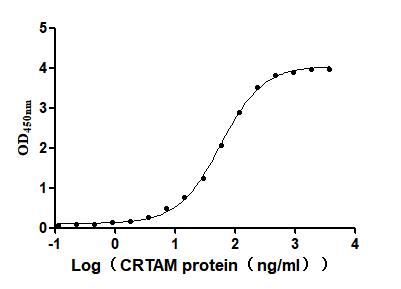
Recombinant Mouse Cytotoxic and regulatory T-cell molecule (Crtam), partial (Active)
Express system: Mammalian cell
Species: Mus musculus (Mouse)