
Recombinant Human Palmitoyl-protein thioesterase 1 (PPT1)
-
中文名稱:人PPT1重組蛋白
-
貨號:CSB-YP018587HU
-
規(guī)格:
-
來源:Yeast
-
其他:
-
中文名稱:人PPT1重組蛋白
-
貨號:CSB-EP018587HU
-
規(guī)格:
-
來源:E.coli
-
其他:
-
中文名稱:人PPT1重組蛋白
-
貨號:CSB-EP018587HU-B
-
規(guī)格:
-
來源:E.coli
-
共軛:Avi-tag Biotinylated
E. coli biotin ligase (BirA) is highly specific in covalently attaching biotin to the 15 amino acid AviTag peptide. This recombinant protein was biotinylated in vivo by AviTag-BirA technology, which method is BriA catalyzes amide linkage between the biotin and the specific lysine of the AviTag.
-
其他:
-
中文名稱:人PPT1重組蛋白
-
貨號:CSB-BP018587HU
-
規(guī)格:
-
來源:Baculovirus
-
其他:
-
中文名稱:人PPT1重組蛋白
-
貨號:CSB-MP018587HU
-
規(guī)格:
-
來源:Mammalian cell
-
其他:
產(chǎn)品詳情
-
純度:>85% (SDS-PAGE)
-
基因名:
-
Uniprot No.:
-
別名:Ceroid palmitoyl palmitoyl protein thioesterase 1; CLN1; EC 3.1.2.22; INCL; Palmitoyl protein hydrolase 1 ; Palmitoyl protein thioesterase 1; Palmitoyl-protein hydrolase 1; Palmitoyl-protein thioesterase 1; PPT; PPT-1; PPT1; PPT1_HUMAN
-
種屬:Homo sapiens (Human)
-
蛋白長度:Full Length of Mature Protein
-
表達(dá)區(qū)域:28-306
-
氨基酸序列DPP APLPLVIWHG MGDSCCNPLS MGAIKKMVEK KIPGIYVLSL EIGKTLMEDV ENSFFLNVNS QVTTVCQALA KDPKLQQGYN AMGFSQGGQF LRAVAQRCPS PPMINLISVG GQHQGVFGLP RCPGESSHIC DFIRKTLNAG AYSKVVQERL VQAEYWHDPI KEDVYRNHSI FLADINQERG INESYKKNLM ALKKFVMVKF LNDSIVDPVD SEWFGFYRSG QAKETIPLQE TSLYTQDRLG LKEMDNAGQL VFLATEGDHL QLSEEWFYAH IIPFLG
-
蛋白標(biāo)簽:Tag?type?will?be?determined?during?the?manufacturing?process.
The tag type will be determined during production process. If you have specified tag type, please tell us and we will develop the specified tag preferentially. -
產(chǎn)品提供形式:Lyophilized powder
Note: We will preferentially ship the format that we have in stock, however, if you have any special requirement for the format, please remark your requirement when placing the order, we will prepare according to your demand. -
復(fù)溶:We recommend that this vial be briefly centrifuged prior to opening to bring the contents to the bottom. Please reconstitute protein in deionized sterile water to a concentration of 0.1-1.0 mg/mL.We recommend to add 5-50% of glycerol (final concentration) and aliquot for long-term storage at -20℃/-80℃. Our default final concentration of glycerol is 50%. Customers could use it as reference.
-
儲存條件:Store at -20°C/-80°C upon receipt, aliquoting is necessary for mutiple use. Avoid repeated freeze-thaw cycles.
-
保質(zhì)期:The shelf life is related to many factors, storage state, buffer ingredients, storage temperature and the stability of the protein itself.
Generally, the shelf life of liquid form is 6 months at -20°C/-80°C. The shelf life of lyophilized form is 12 months at -20°C/-80°C. -
貨期:Delivery time may differ from different purchasing way or location, please kindly consult your local distributors for specific delivery time.Note: All of our proteins are default shipped with normal blue ice packs, if you request to ship with dry ice, please communicate with us in advance and extra fees will be charged.
-
注意事項(xiàng):Repeated freezing and thawing is not recommended. Store working aliquots at 4°C for up to one week.
-
Datasheet :Please contact us to get it.
產(chǎn)品評價

相關(guān)產(chǎn)品
靶點(diǎn)詳情
-
功能:Removes thioester-linked fatty acyl groups such as palmitate from modified cysteine residues in proteins or peptides during lysosomal degradation. Prefers acyl chain lengths of 14 to 18 carbons.
-
基因功能參考文獻(xiàn):
- Targeting PPT1 blocks mTOR signaling in a manner distinct from catalytic inhibitors, while concurrently inhibiting autophagy, thereby providing a new strategy for cancer therapy. PMID: 28899863
- the combination of elevated glycolysis and deficient MRPL13 activity was closely linked to CLN1-mediated tumor activity in human hepatoma cells PMID: 28978646
- Proteomics analysis on isolated cilia revealed 660 proteins, which differed in their abundance levels between wild type and Ppt1 knock out. PMID: 28334871
- we reveal the existence of a positive feedback loop, where palmitoylation of PPT1 results in decreased activity and subsequent elevation in the amount of palmitoylated proteins. PMID: 26731412
- analysis of the palmitoyl protein thioesterase 1 interactome in SH-SY5Y human neuroblastoma cells PMID: 25865307
- Data (including data from knockout mice) suggest that deficiency of PPT1 leads to accumulation of granular osmiophilic deposits in many cell types, especially in astrocytes. [review-like article] PMID: 25233404
- Data suggest that human monocytes and macrophages express PPT1; PPT1 appears to contribute 32-40% of 2-arachidonylglycerol hydrolysis activity in THP1 monocyte cell line. PMID: 24083319
- This neuroimaging finding in PPT1-related neuronal ceroid lipofuscinosis was not previously reported. PMID: 22520356
- Stop codon read-through with PTC124 induces palmitoyl-protein thioesterase-1 activity, reduces thioester load and suppresses apoptosis in cultured cells from Infantile neuronal ceroid lipofuscinosis patients. PMID: 21704547
- Results describe the correlation between the three-dimensional structural changes in mutant palmitoyl protein thioesterase 1 and biochemical phenotypes. PMID: 19793631
- mutated in neuronal ceroid lipofuscinosis PMID: 12025857
- The clinical, biochemical, and molecular genetic aspects of lysosomal storage disorders are discussed in this review PMID: 12125808
- The crystal structure of palmitoyl protein thioesterase-2 (PPT2) reveals the basis for divergent substrate specificities of the two lysosomal thioesterases, PPT1 and PPT2. PMID: 12855696
- there is a close correlation between CLN2 and CLN1 expression and colorectal carcinoma progression and metastasis and suggest that they may be potential molecular targets PMID: 16518810
- Results show that PPT1-deficiency causes a defect in fluid-phase and receptor-mediated endocytosis. PMID: 16542649
- ER stress due to PPT1-deficiency increases ROS and disrupts calcium homeostasis activating caspase-9 and caspase-9 activation mediates caspase-3 activation and apoptosis contributing to rapid neurodegeneration in INCL. PMID: 16571600
- Adult neuronal ceroid lipofuscinosis caused by deficiency in palmitoyl protein thioesterase 1. PMID: 17261688
- Palmitoyl protein thioesterase-1 deficiency impairs synaptic vesicle recycling at nerve terminals in humans and mice PMID: 18704195
- study presents clinical and diagnostic investigations in six children with variant late infantile neuronal ceroid lipofuscinosis and mutations in CLN1 including a new large-scale deletion on one allele PMID: 19302939
- Using shotgun mass spectrometry, we found this protein differentially expressed in the dorsolateral prefrontal cortex from patients with schizophrenia. PMID: 19165527
- The function of PPT1 is to hydrolyze long-chain fatty acids from cysteine residues of fatty acylated proteins in the lysosome. PMID: 8816748
顯示更多
收起更多
-
相關(guān)疾病:Ceroid lipofuscinosis, neuronal, 1 (CLN1)
-
亞細(xì)胞定位:Lysosome. Secreted.
-
蛋白家族:Palmitoyl-protein thioesterase family
-
數(shù)據(jù)庫鏈接:
Most popular with customers
-
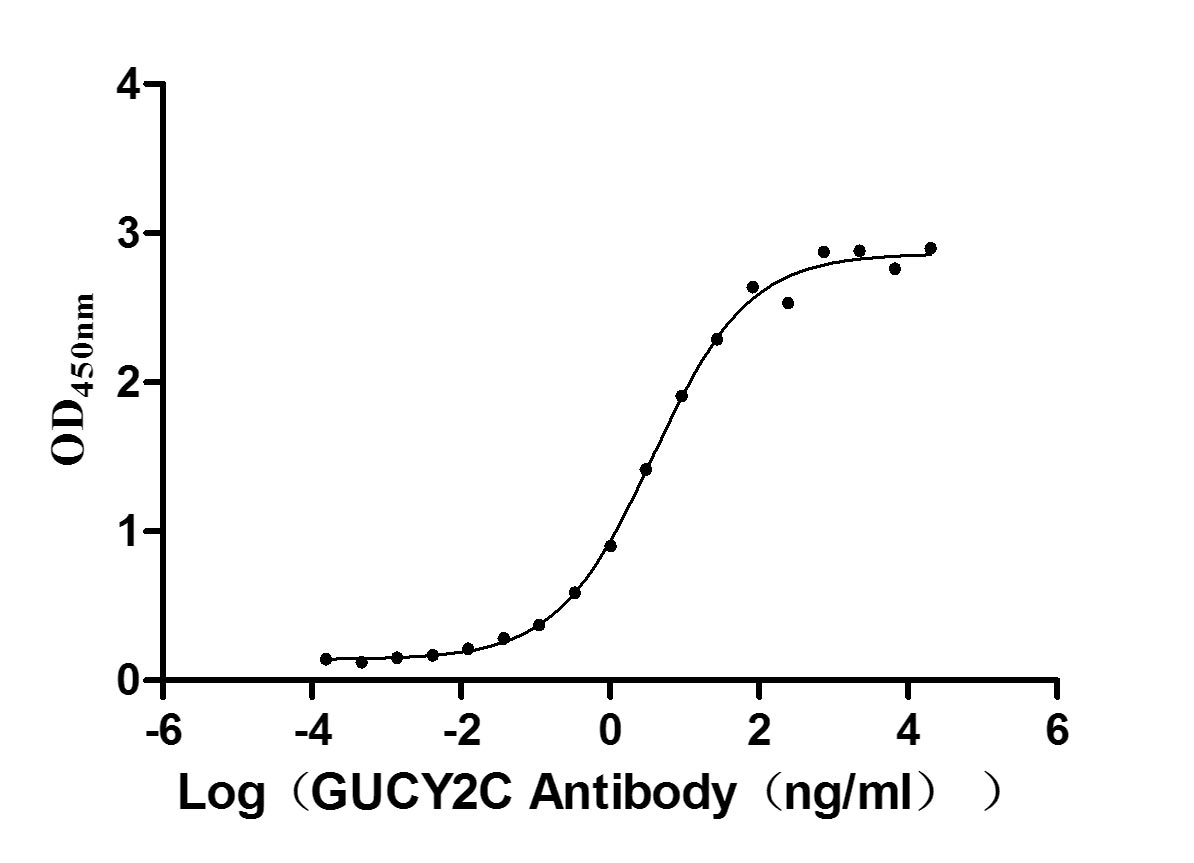
Recombinant Human Heat-stable enterotoxin receptor (GUCY2C), partial (Active)
Express system: Mammalian cell
Species: Homo sapiens (Human)
-
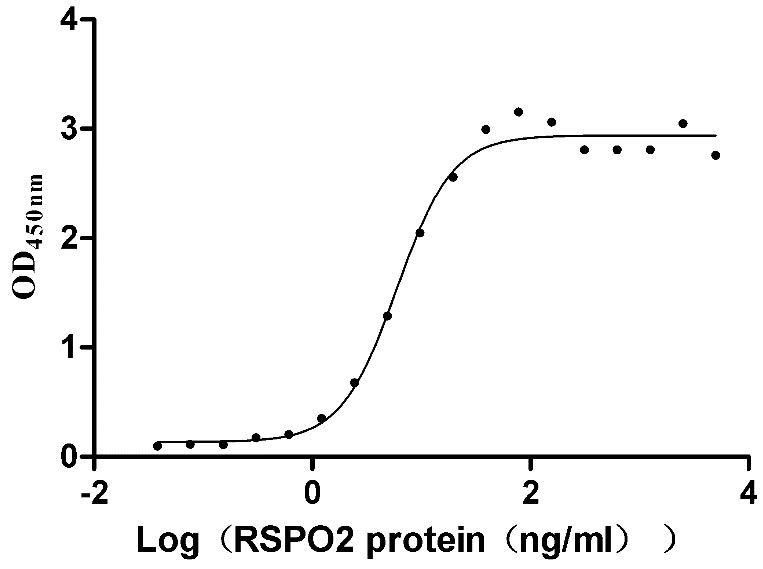
Recombinant Human E3 ubiquitin-protein ligase ZNRF3 (ZNRF3), partial (Active)
Express system: Mammalian cell
Species: Homo sapiens (Human)
-
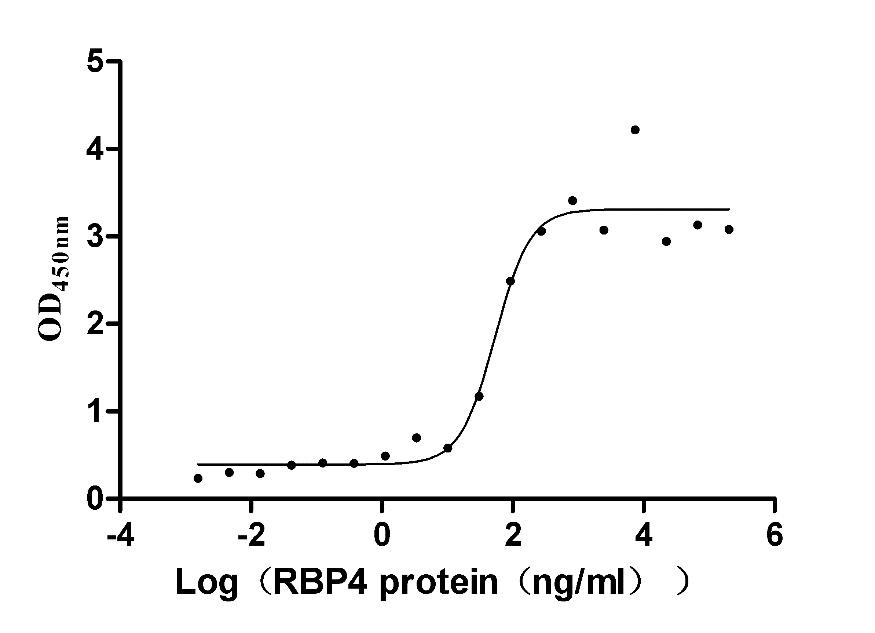
Recombinant Mouse Retinol-binding protein 4 (Rbp4) (Active)
Express system: Mammalian cell
Species: Mus musculus (Mouse)
-
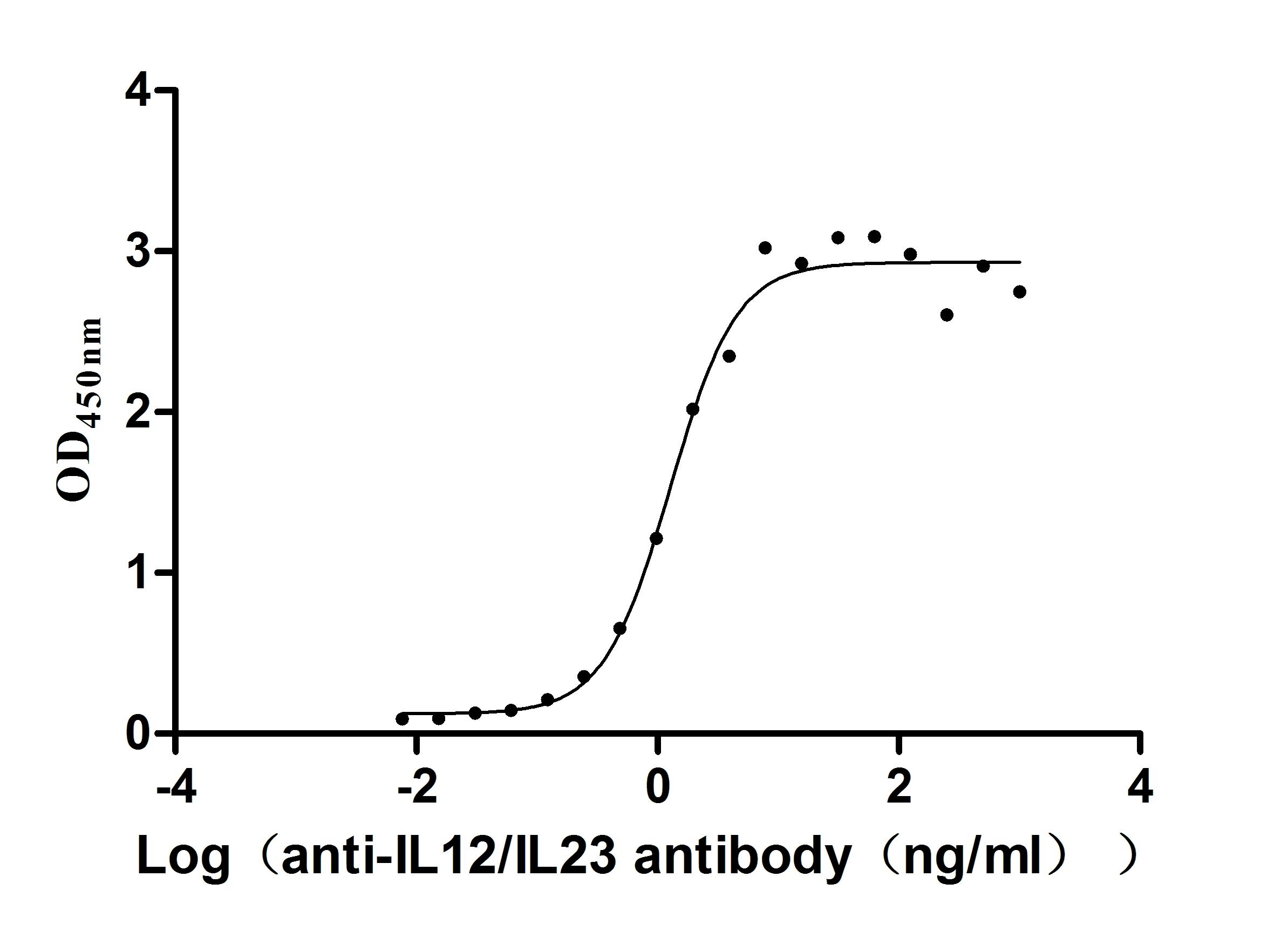
Recombinant Human IL12B&IL12A Heterodimer Protein (Active)
Express system: Mammalian cell
Species: Homo sapiens (Human)
-
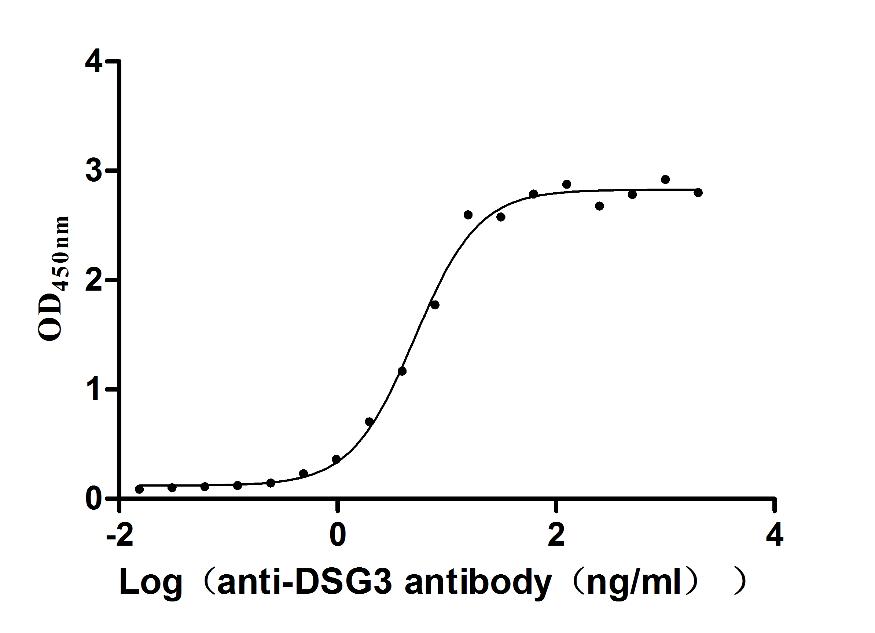
Recombinant Human Desmoglein-3 (DSG3), partial (Active)
Express system: Baculovirus
Species: Homo sapiens (Human)
-
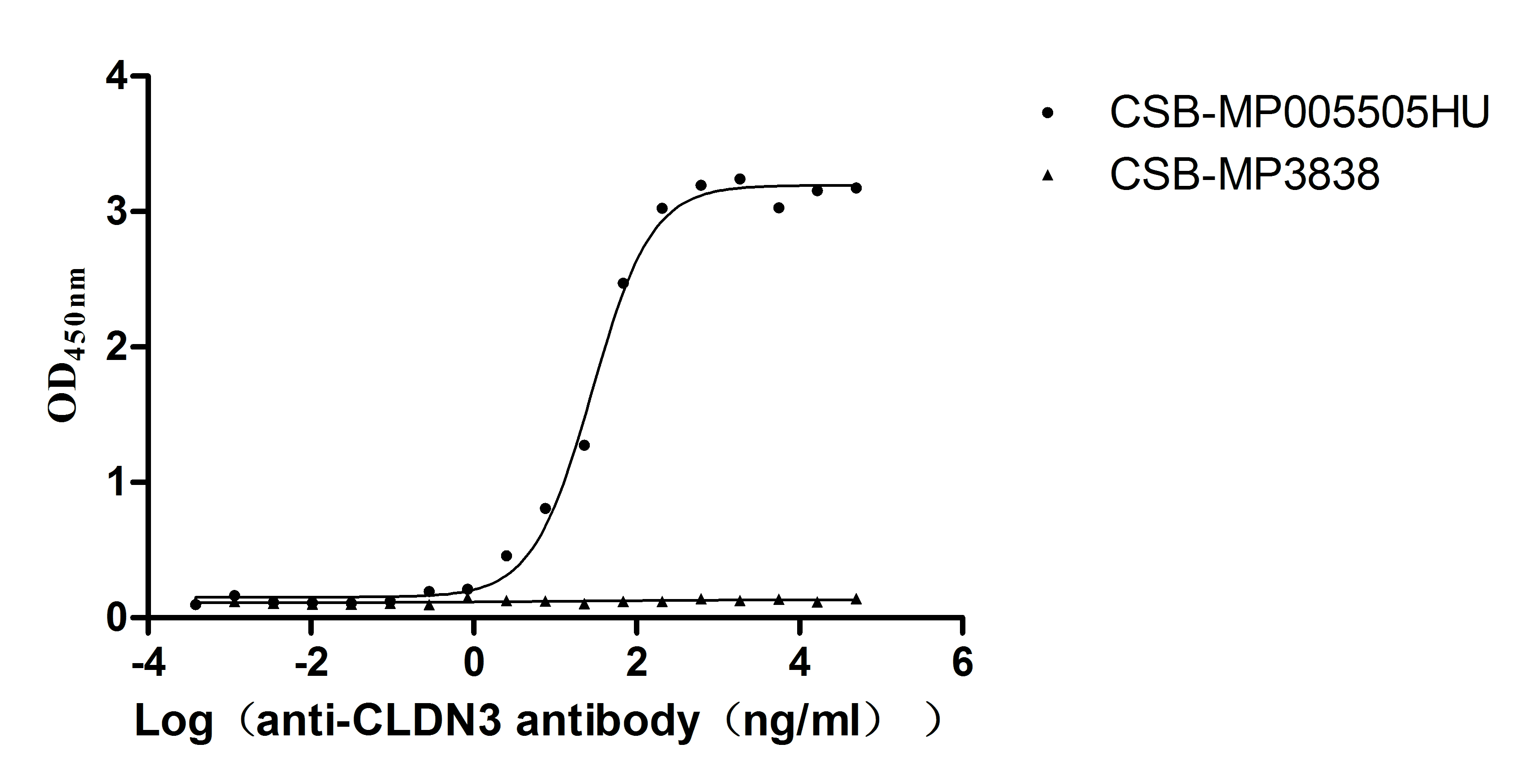
Recombinant Human Claudin-3 (CLDN3)-VLPs (Active)
Express system: Mammalian cell
Species: Homo sapiens (Human)
-
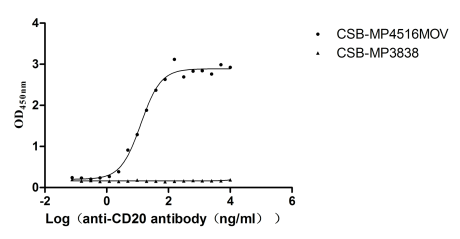
Recombinant Macaca fascicularis Membrane spanning 4-domains A1 (MS4A1)-VLPs (Active)
Express system: Mammalian cell
Species: Macaca fascicularis (Crab-eating macaque) (Cynomolgus monkey)
-
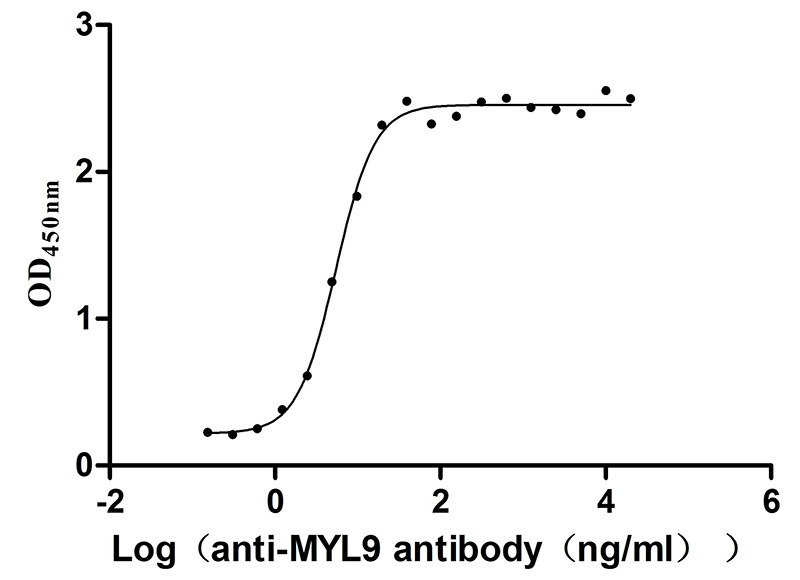
Recombinant Human Myosin regulatory light polypeptide 9 (MYL9) (Active)
Express system: Yeast
Species: Homo sapiens (Human)