Recombinant Human Endogenous retrovirus group K member 6 Env polyprotein (ERVK-6), partial
In Stock-
中文名稱:人ERVK-6重組蛋白
-
品名簡稱:Recombinant Human ERVK-6 protein, partial
-
貨號:CSB-EP724336HU
-
說明書:
-
規(guī)格:¥1836
-
圖片:
-
 (Tris-Glycine gel) Discontinuous SDS-PAGE (reduced) with 5% enrichment gel and 15% separation gel.
 -
 Based on the SEQUEST from database of E.coli host and target protein, the LC-MS/MS Analysis result of CSB-EP724336HU could indicate that this peptide derived from E.coli-expressed Homo sapiens (Human) ERVK-6.
 -
 Based on the SEQUEST from database of E.coli host and target protein, the LC-MS/MS Analysis result of CSB-EP724336HU could indicate that this peptide derived from E.coli-expressed Homo sapiens (Human) ERVK-6.
-
-
其他:
產品詳情
-
純度:Greater than 90% as determined by SDS-PAGE.
-
基因名:ERVK-6
-
Uniprot No.:
-
別名:ERVK-6; ERVK6Endogenous retrovirus group K member 6 Env polyprotein; EnvK2 protein; Envelope polyprotein; HERV-K(C7) envelope protein; HERV-K(HML-2.HOM) envelope protein; HERV-K108 envelope protein; HERV-K_7p22.1 provirus ancestral Env polyprotein) [Cleaved into: Surface protein; SU); Transmembrane protein; TM)]
-
種屬:Homo sapiens (Human)
-
蛋白長度:Extracellular Domain
-
來源:E.coli
-
分子量:77.5kDa
-
表達區(qū)域:90-632aa
-
氨基酸序列LPMPAGAAAANYTYWAYVPFPPLIRAVTWMDNPTEVYVNDSVWVPGPIDDRCPAKPEEEGMMINISIGYHYPPICLGRAPGCLMPAVQNWLVEVPTVSPICRFTYHMVSGMSLRPRVNYLQDFSYQRSLKFRPKGKPCPKEIPKESKNTEVLVWEECVANSAVILQNNEFGTIIDWAPRGQFYHNCSGQTQSCPSAQVSPAVDSDLTESLDKHKHKKLQSFYPWEWGEKGISTPRPKIVSPVSGPEHPELWRLTVASHHIRIWSGNQTLETRDRKPFYTIDLNSSLTVPLQSCVKPPYMLVVGNIVIKPDSQTITCENCRLLTCIDSTFNWQHRILLVRAREGVWIPVSMDRPWEASPSVHILTEVLKGVLNRSKRFIFTLIAVIMGLIAVTATAAVAGVALHSSVQSVNFVNDWQKNSTRLWNSQSSIDQKLANQINDLRQTVIWMGDRLMSLEHRFQLQCDWNTSDFCITPQIYNESEHHWDMVRRHLQGREDNLTLDISKLKEQIFEASKAHLNLVPGTEAIAGVADGLANLNPVTWVKT
Note: The complete sequence may include tag sequence, target protein sequence, linker sequence and extra sequence that is translated with the protein sequence for the purpose(s) of secretion, stability, solubility, etc.
If the exact amino acid sequence of this recombinant protein is critical to your application, please explicitly request the full and complete sequence of this protein before ordering. -
蛋白標簽:N-terminal 6xHis-SUMO-tagged
-
產品提供形式:Liquid or Lyophilized powder
Note: We will preferentially ship the format that we have in stock, however, if you have any special requirement for the format, please remark your requirement when placing the order, we will prepare according to your demand. -
緩沖液:If the delivery form is liquid, the default storage buffer is Tris/PBS-based buffer, 5%-50% glycerol.
Note: If you have any special requirement for the glycerol content, please remark when you place the order.
If the delivery form is lyophilized powder, the buffer before lyophilization is Tris/PBS-based buffer, 6% Trehalose. -
儲存條件:Store at -20°C/-80°C upon receipt, aliquoting is necessary for mutiple use. Avoid repeated freeze-thaw cycles.
-
保質期:The shelf life is related to many factors, storage state, buffer ingredients, storage temperature and the stability of the protein itself.
Generally, the shelf life of liquid form is 6 months at -20°C/-80°C. The shelf life of lyophilized form is 12 months at -20°C/-80°C. -
貨期:3-7 business days
-
注意事項:Repeated freezing and thawing is not recommended. Store working aliquots at 4°C for up to one week.
-
產品描述:
Like all recombinant proteins, this Recombinant Human ERVK-6 protein was encoded by recombinant DNA. The recombinant DNA was introduced to a plasmid in which the gene of ERVK-6 was cloned downstream of a promoter region. When the plasmid was introduced to the cells of E.coli, the E.coli’s own protein synthesis pathways would then result in the expression of the ERVK-6 protein. And the next step was protein purification. The purity of this recombinant protein is 90%+ determined by SDS-PAGE.
ERVK-6 is known as HERV-K, which has been considered as a supergroup of viruses. One of the subtypes, termed HML-2, seems to be the most active and hence, it is the best studied. Aberrant expression of HML-2 in adult tissues has been associated with certain types of cancer and with neurodegenerative diseases. Interestingly, HML-2 can also form viral-like particles, which have been detected in various cells, particularly teratocarcinomas and melanomas. . Although these viral-like particles are considered noninfectious, two independent research groups have demonstrated that the consensus sequence of HML-2 provirus can produce infectious particles. The involvement of HML-2 in pathological conditions, especially in malignancies, has been the focus of numerous publications. However, expression profiles of healthy tissues such as brain, heart, peripheral blood mononuclear cells (PBMCs), lung, liver, and breast indicate that several HML-2 proviruses are transcriptionally active, although the magnitude of expression in most healthy tissues is low. Since increased activation of HML-2 has been associated with several pathologies, it raises the question of whether these genes can be silenced to affect the outcome of these diseases. -
Datasheet & COA:Please contact us to get it.
產品評價

相關產品
靶點詳情
-
功能:Retroviral envelope proteins mediate receptor recognition and membrane fusion during early infection. Endogenous envelope proteins may have kept, lost or modified their original function during evolution. This endogenous envelope protein has lost its original fusogenic properties.; SU mediates receptor recognition.; TM anchors the envelope heterodimer to the viral membrane through one transmembrane domain. The other hydrophobic domain, called fusion peptide, mediates fusion of the viral membrane with the target cell membrane.
-
亞細胞定位:[Transmembrane protein]: Cell membrane; Single-pass type I membrane protein.; [Surface protein]: Cell membrane; Peripheral membrane protein.; [Endogenous retrovirus group K member 6 Env polyprotein]: Virion.
-
蛋白家族:Beta type-B retroviral envelope protein family, HERV class-II K(HML-2) env subfamily
-
組織特異性:Expressed in testis, and peripheral blood lymphocytes.
-
數據庫鏈接:
Most popular with customers
-

Recombinant Human Macrophage migration inhibitory factor (MIF) (Active)
Express system: Mammalian cell
Species: Homo sapiens (Human)
-
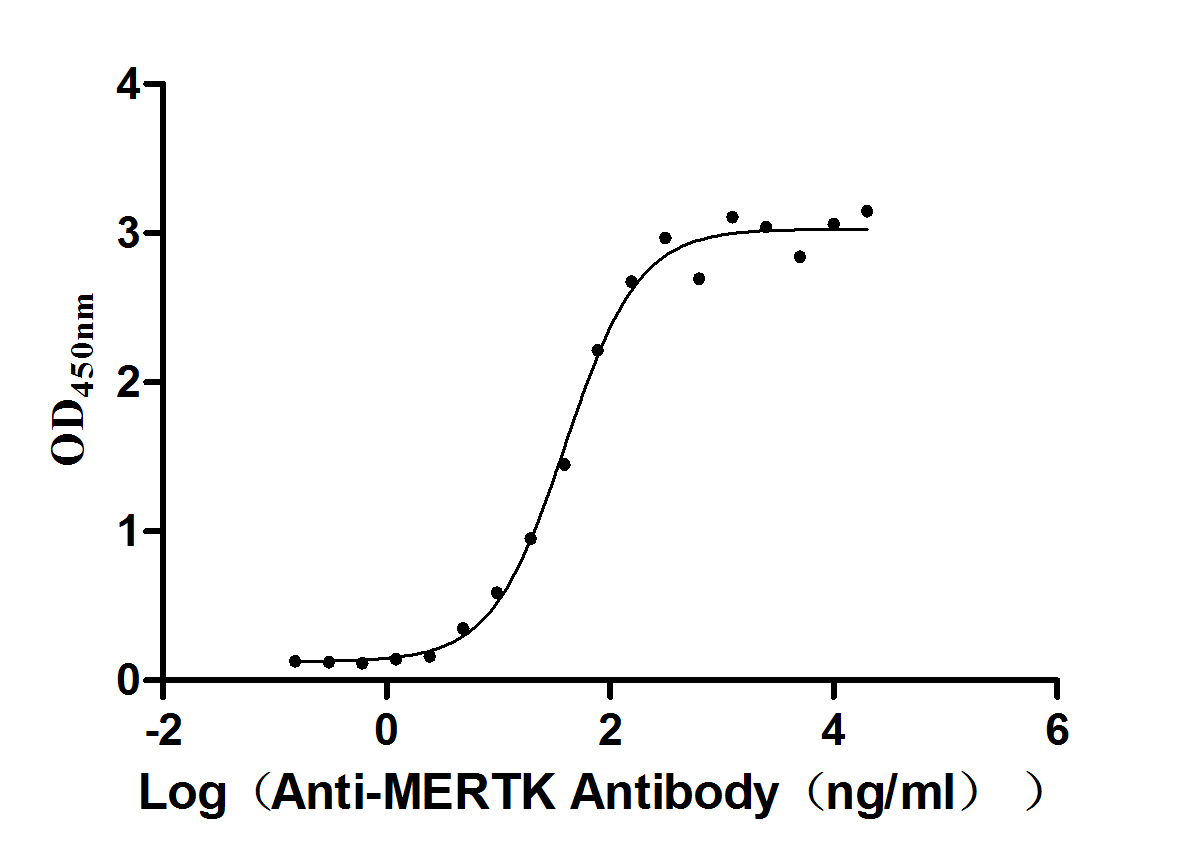
Recombinant Human Tyrosine-protein kinase Mer (MERTK), partial (Active)
Express system: Mammalian cell
Species: Homo sapiens (Human)
-
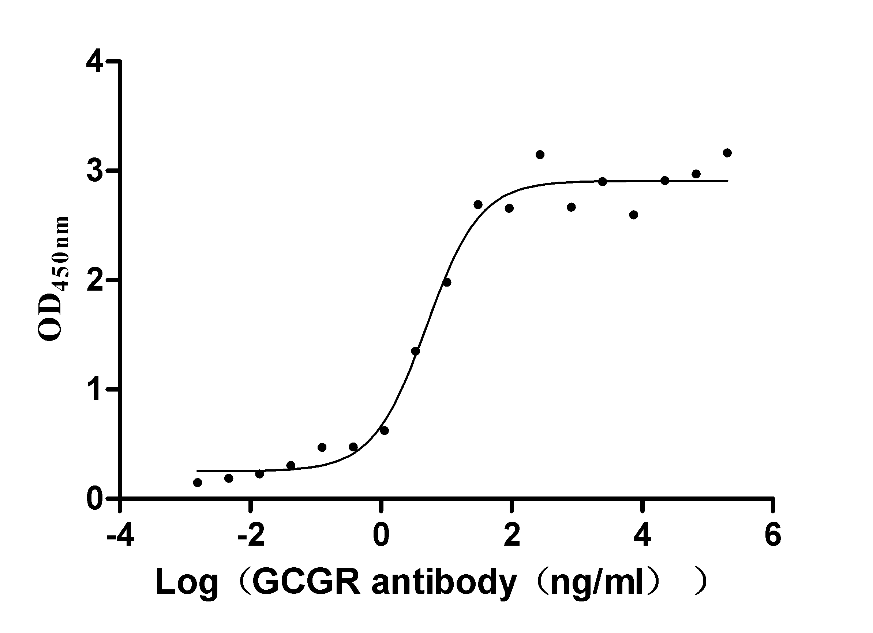
Recombinant Human Glucagon receptor (GCGR), partial (Active)
Express system: Mammalian cell
Species: Homo sapiens (Human)
-
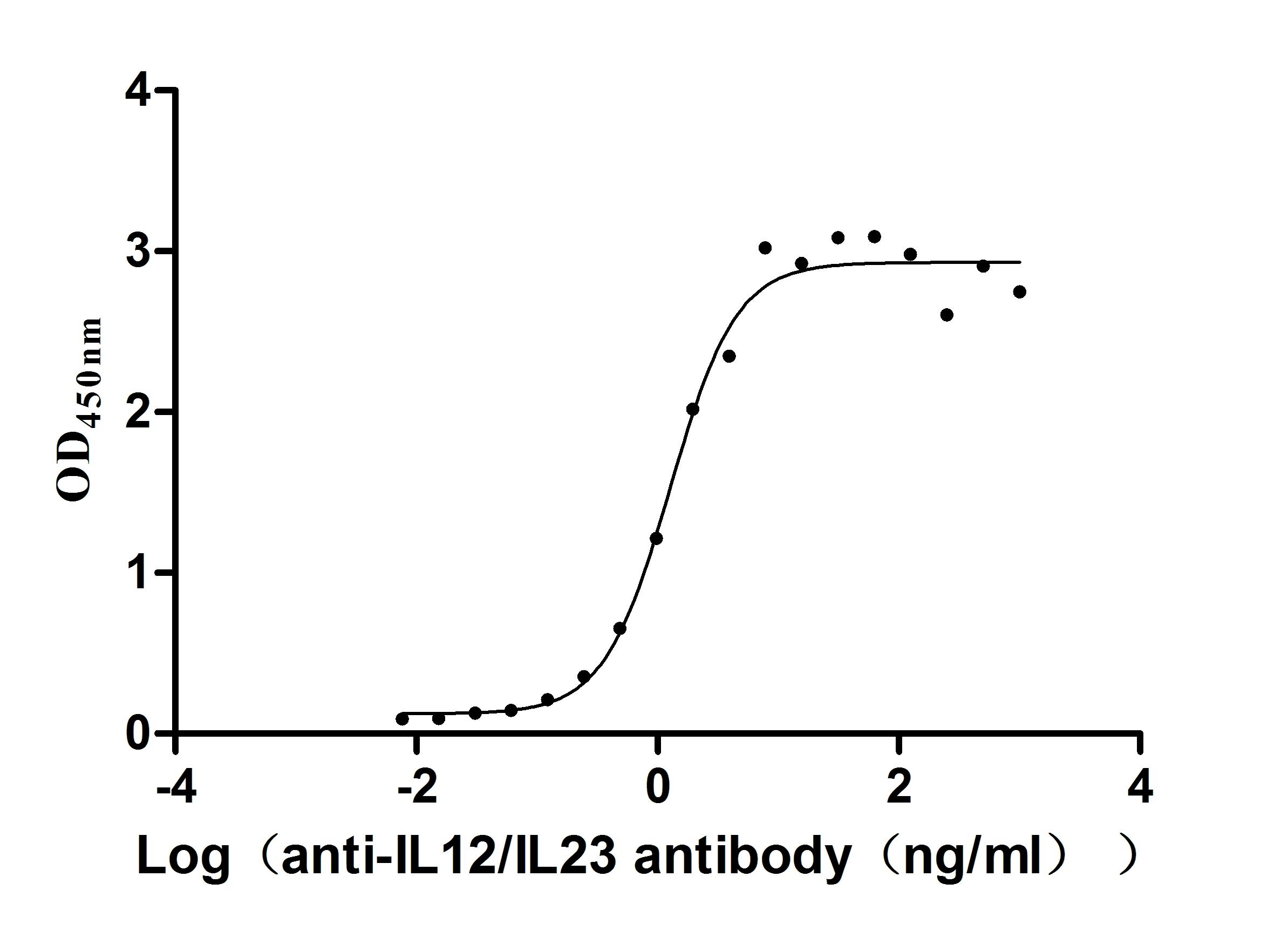
Recombinant Human IL12B&IL12A Heterodimer Protein (Active)
Express system: Mammalian cell
Species: Homo sapiens (Human)
-
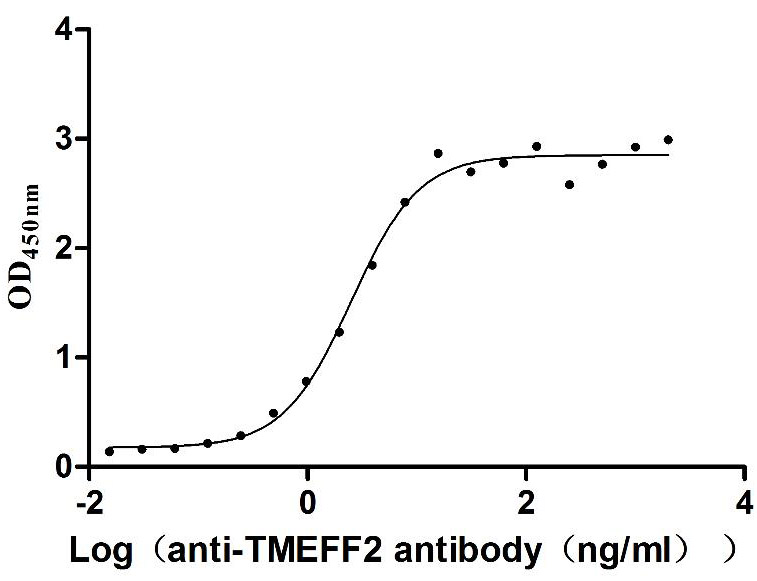
Recombinant Human Tomoregulin-2 (TMEFF2), partial (Active)
Express system: Mammalian cell
Species: Homo sapiens (Human)
-
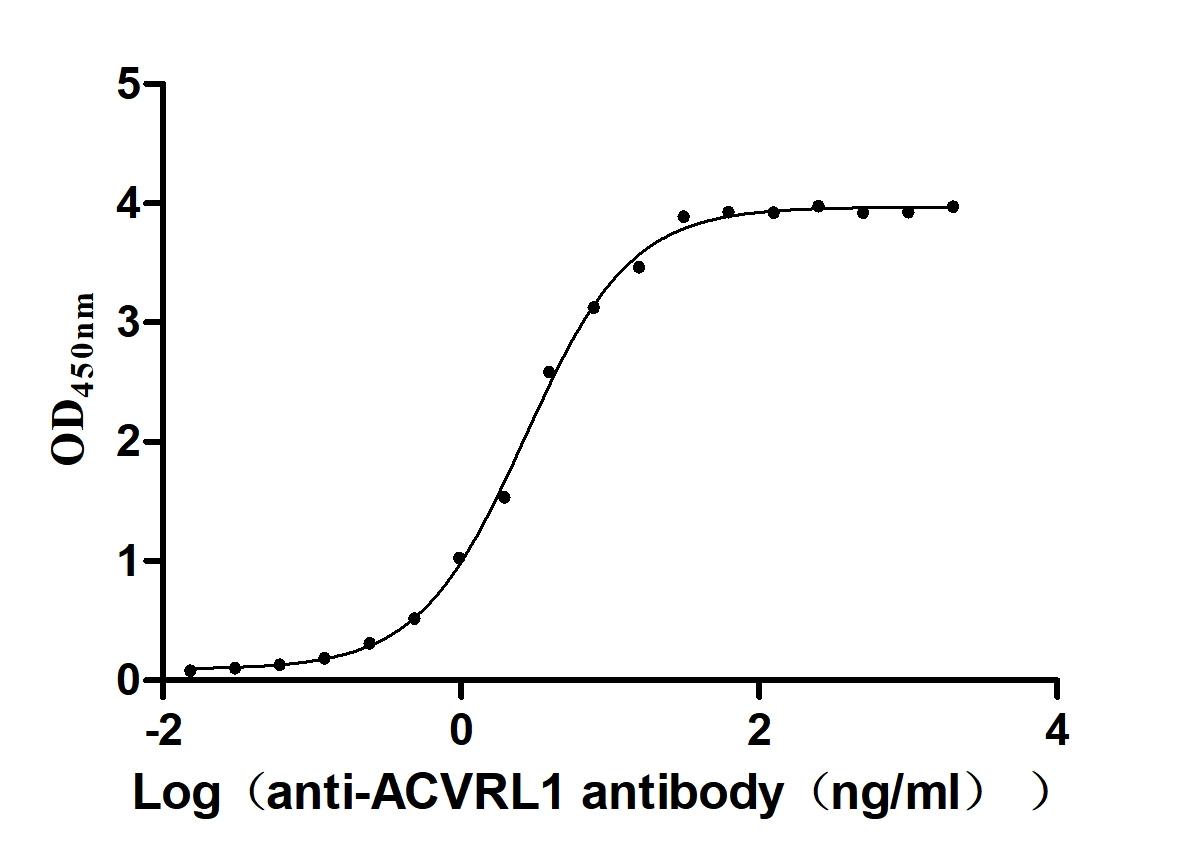
Recombinant Human Serine/threonine-protein kinase receptor R3 (ACVRL1), partial (Active)
Express system: Baculovirus
Species: Homo sapiens (Human)
-
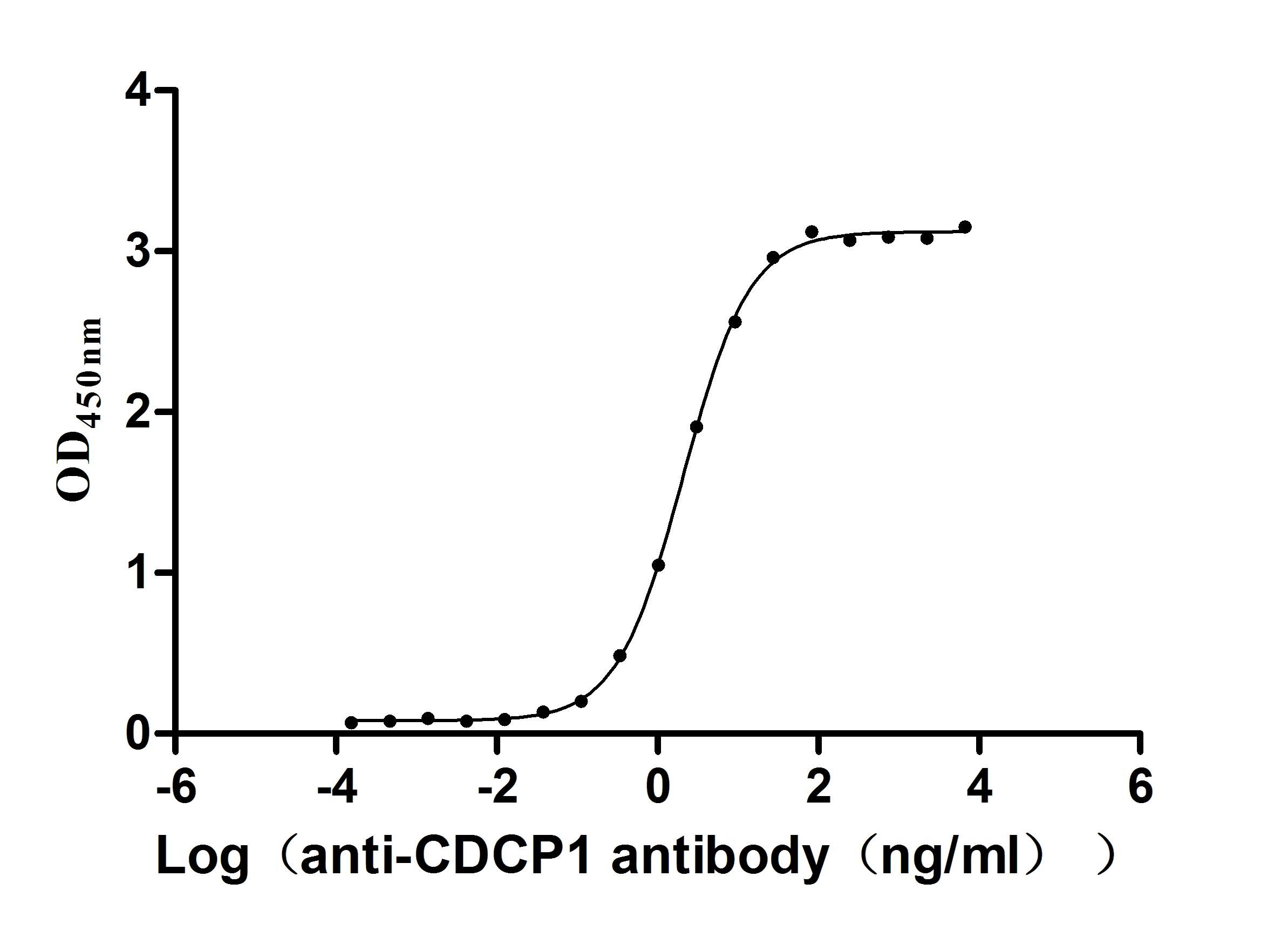
Recombinant Macaca fascicularis CUB domain containing protein 1 (CDCP1), partial (Active)
Express system: Mammalian cell
Species: Macaca fascicularis (Crab-eating macaque) (Cynomolgus monkey)
-
Recombinant Human Myosin regulatory light chain 12A (MYL12A) (Active)
Express system: E.coli
Species: Homo sapiens (Human)