
Recombinant Bovine Histone deacetylase 1 (HDAC1)
-
中文名稱:牛HDAC1重組蛋白
-
貨號:CSB-YP010235BO
-
規格:
-
來源:Yeast
-
其他:
-
中文名稱:牛HDAC1重組蛋白
-
貨號:CSB-EP010235BO
-
規格:
-
來源:E.coli
-
其他:
-
中文名稱:牛HDAC1重組蛋白
-
貨號:CSB-EP010235BO-B
-
規格:
-
來源:E.coli
-
共軛:Avi-tag Biotinylated
E. coli biotin ligase (BirA) is highly specific in covalently attaching biotin to the 15 amino acid AviTag peptide. This recombinant protein was biotinylated in vivo by AviTag-BirA technology, which method is BriA catalyzes amide linkage between the biotin and the specific lysine of the AviTag.
-
其他:
-
中文名稱:牛HDAC1重組蛋白
-
貨號:CSB-BP010235BO
-
規格:
-
來源:Baculovirus
-
其他:
-
中文名稱:牛HDAC1重組蛋白
-
貨號:CSB-MP010235BO
-
規格:
-
來源:Mammalian cell
-
其他:
產品詳情
-
純度:>85% (SDS-PAGE)
-
基因名:
-
Uniprot No.:
-
別名:HDAC1Histone deacetylase 1; HD1; EC 3.5.1.98
-
種屬:Bos taurus (Bovine)
-
蛋白長度:full length protein
-
表達區域:1-482
-
氨基酸序列MAQTQGTKRK VCYYYDGDVG NYYYGQGHPM KPHRIRMTHN LLLNYGLYRK MEIYRPHKAN AEEMTKYHSD DYIKFLRSIR PDNMSEYSKQ MQRFNVGEDC PVFDGLFEFC QLSTGGSVAS AVKLNKQQTD IAVNWAGGLH HAKKSEASGF CYVNDIVLAI LELLKYHQRV LYIDIDIHHG DGVEEAFYTT DRVMTVSFHK YGEYFPGTGD LRDIGAGKGK YYAVNYPLRD GIDDESYEAI FKPVMSKVME MFQPSAVVLQ CGSDSLSGDR LGCFNLTIKG HAKCVEFVKS FNLPMLMLGG GGYTIRNVAR CWTYETAVAL DTEIPNELPY NDYFEYFGPD FKLHISPSNM TNQNTNEYLE KIKQRLFENL RMLPHAPGVQ MQAIPEDAIP EESGDEDEED PDKRISICSS DKRIACEEEF SDSDEEGEGG RKNSSNFKKA KRVKTEDEKE KDPEEKKEVT EEEKTKEEKQ EAKGVKEEVK LA
-
蛋白標簽:Tag?type?will?be?determined?during?the?manufacturing?process.
The tag type will be determined during production process. If you have specified tag type, please tell us and we will develop the specified tag preferentially. -
產品提供形式:Lyophilized powder
Note: We will preferentially ship the format that we have in stock, however, if you have any special requirement for the format, please remark your requirement when placing the order, we will prepare according to your demand. -
復溶:We recommend that this vial be briefly centrifuged prior to opening to bring the contents to the bottom. Please reconstitute protein in deionized sterile water to a concentration of 0.1-1.0 mg/mL.We recommend to add 5-50% of glycerol (final concentration) and aliquot for long-term storage at -20℃/-80℃. Our default final concentration of glycerol is 50%. Customers could use it as reference.
-
儲存條件:Store at -20°C/-80°C upon receipt, aliquoting is necessary for mutiple use. Avoid repeated freeze-thaw cycles.
-
保質期:The shelf life is related to many factors, storage state, buffer ingredients, storage temperature and the stability of the protein itself.
Generally, the shelf life of liquid form is 6 months at -20°C/-80°C. The shelf life of lyophilized form is 12 months at -20°C/-80°C. -
貨期:Delivery time may differ from different purchasing way or location, please kindly consult your local distributors for specific delivery time.Note: All of our proteins are default shipped with normal blue ice packs, if you request to ship with dry ice, please communicate with us in advance and extra fees will be charged.
-
注意事項:Repeated freezing and thawing is not recommended. Store working aliquots at 4°C for up to one week.
-
Datasheet :Please contact us to get it.
產品評價

靶點詳情
-
功能:Responsible for the deacetylation of lysine residues on the N-terminal part of the core histones (H2A, H2B, H3 and H4). Histone deacetylation gives a tag for epigenetic repression and plays an important role in transcriptional regulation, cell cycle progression and developmental events. Histone deacetylases act via the formation of large multiprotein complexes. Deacetylates SP proteins, SP1 and SP3, and regulates their function. Component of the BRG1-RB1-HDAC1 complex, which negatively regulates the CREST-mediated transcription in resting neurons. Upon calcium stimulation, HDAC1 is released from the complex and CREBBP is recruited, which facilitates transcriptional activation. Deacetylates TSHZ3 and regulates its transcriptional repressor activity. Deacetylates 'Lys-310' in RELA and thereby inhibits the transcriptional activity of NF-kappa-B. Deacetylates NR1D2 and abrogates the effect of KAT5-mediated relieving of NR1D2 transcription repression activity. Component of a RCOR/GFI/KDM1A/HDAC complex that suppresses, via histone deacetylase (HDAC) recruitment, a number of genes implicated in multilineage blood cell development. Involved in CIART-mediated transcriptional repression of the circadian transcriptional activator: CLOCK-ARNTL/BMAL1 heterodimer. Required for the transcriptional repression of circadian target genes, such as PER1, mediated by the large PER complex or CRY1 through histone deacetylation.
-
基因功能參考文獻:
- The effect of p53 expression on the development of cloned embryos, and its interaction with HDAC1 and DNMT3A are reported. PMID: 25753134
- The results suggest that HDAC1 knock-down in oocytes did not influence the rates of maturation or cleavage of parthenogenetic embryos. PMID: 21410564
-
亞細胞定位:Nucleus.
-
蛋白家族:Histone deacetylase family, HD type 1 subfamily
-
數據庫鏈接:
Most popular with customers
-
Recombinant Severe acute respiratory syndrome coronavirus Spike glycoprotein (S), partial (Active)
Express system: Mammalian cell
Species: Human SARS coronavirus (SARS-CoV) (Severe acute respiratory syndrome coronavirus)
-
Recombinant Human Semaphorin-4D (SEMA4D), partial (Active)
Express system: Mammalian cell
Species: Homo sapiens (Human)
-
Recombinant Human Cytokine receptor common subunit beta (CSF2RB), partial (Active)
Express system: Mammalian cell
Species: Homo sapiens (Human)
-
Recombinant Human IGF-like family receptor 1 (IGFLR1), partial (Active)
Express system: Mammalian cell
Species: Homo sapiens (Human)
-
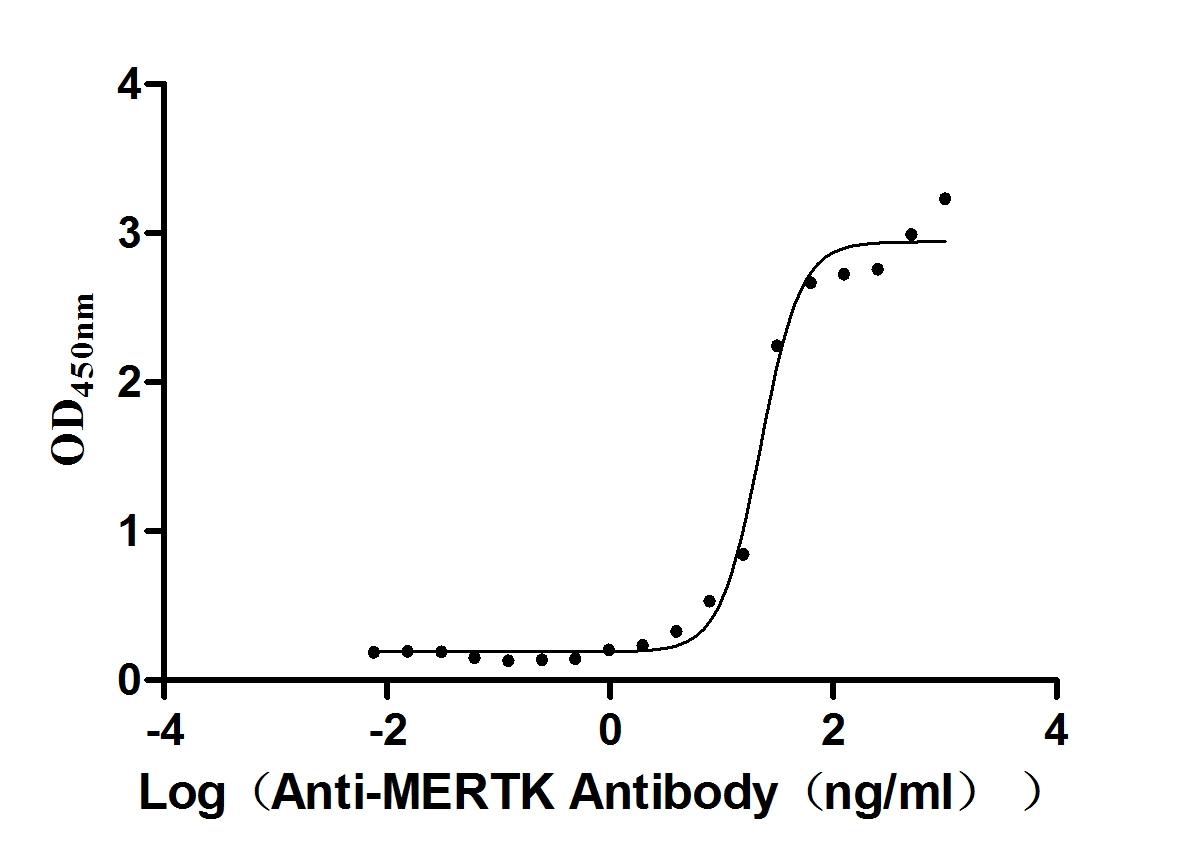
Recombinant Mouse Tyrosine-protein kinase Mer (Mertk), partial (Active)
Express system: Mammalian cell
Species: Mus musculus (Mouse)
-
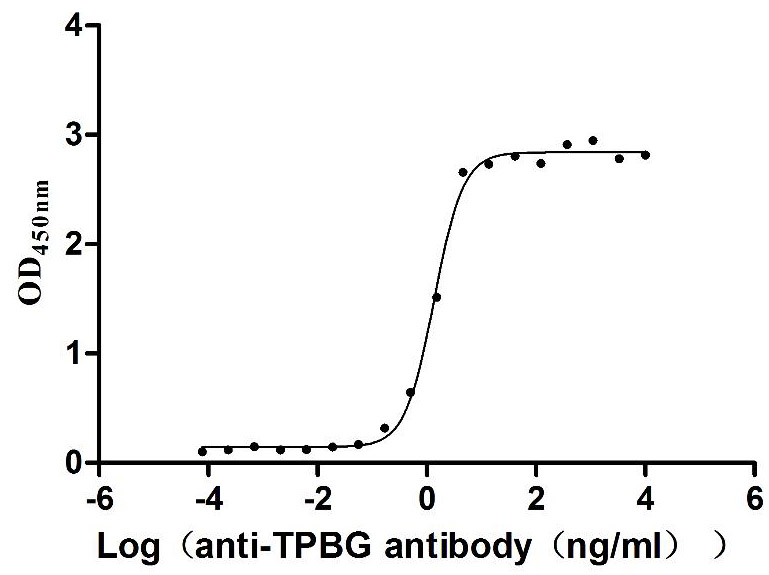
Recombinant Human Trophoblast glycoprotein (TPBG), partial (Active)
Express system: Mammalian cell
Species: Homo sapiens (Human)
-
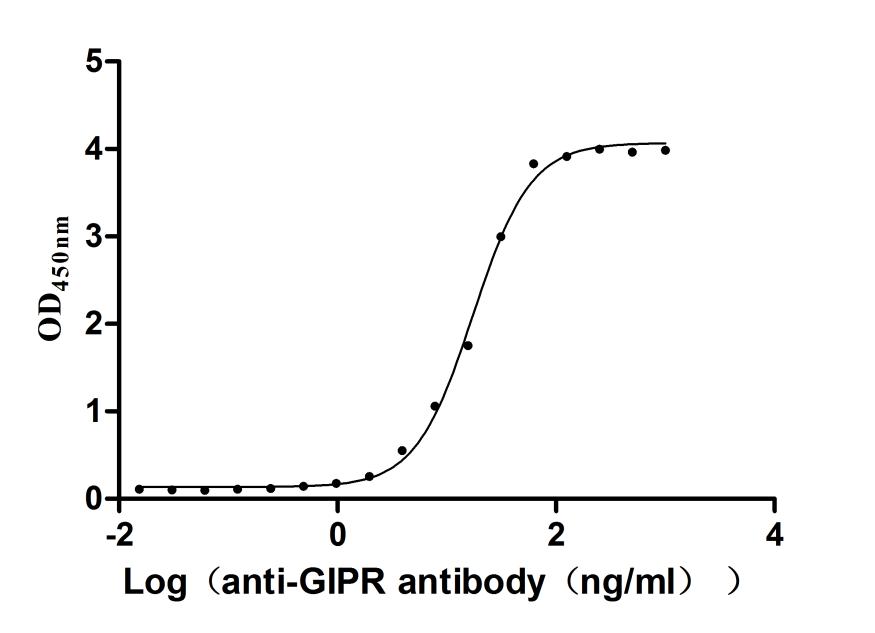
Recombinant Human Gastric inhibitory polypeptide receptor(GIPR),partial (Active)
Express system: Mammalian cell
Species: Homo sapiens (Human)
-
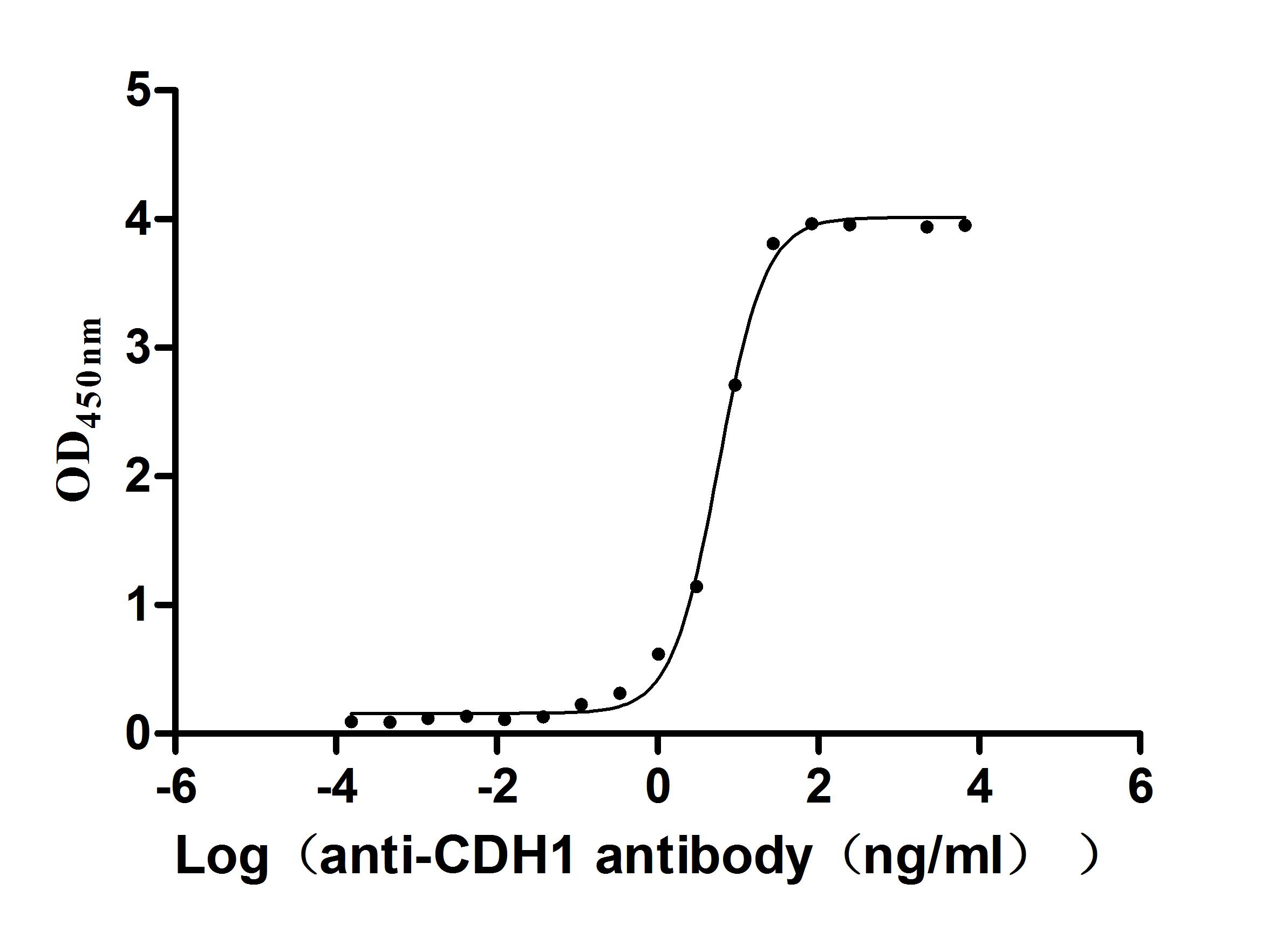
Recombinant Human Cadherin-1(CDH1),partial (Active)
Express system: Mammalian cell
Species: Homo sapiens (Human)